Understanding Modern Orthodontic Options for Every Lifestyle
Achieving a healthy and aligned smile is a transformative journey that depends on personalized care. At Trielle Orthodontics, we recognize that every patient has unique dental needs and lifestyle requirements. Whether you are correcting minor crowding or managing a complex malocclusion as defined by the American Association of Orthodontists, our clinical team emphasizes a tailored approach to ensure optimal results.
Modern dental technology offers a diverse range of appliances to suit different aesthetic and functional goals. While traditional metal braces remain a highly reliable, cost-effective solution for many, options like ceramic braces or clear aligners provide more discreet alternatives for adults and teens. By evaluating factors such as your specific bite issues and personal preferences, we create a custom treatment plan that fits your life.
Starting this process involves more than just selecting hardware. It requires an expert assessment to guide the movement of teeth while prioritizing long-term periodontal health. By selecting the right appliance, patients not only improve their daily oral hygiene but also gain lasting confidence through a straighter, functional smile.
Core Orthodontic Treatment Methods and Technologies
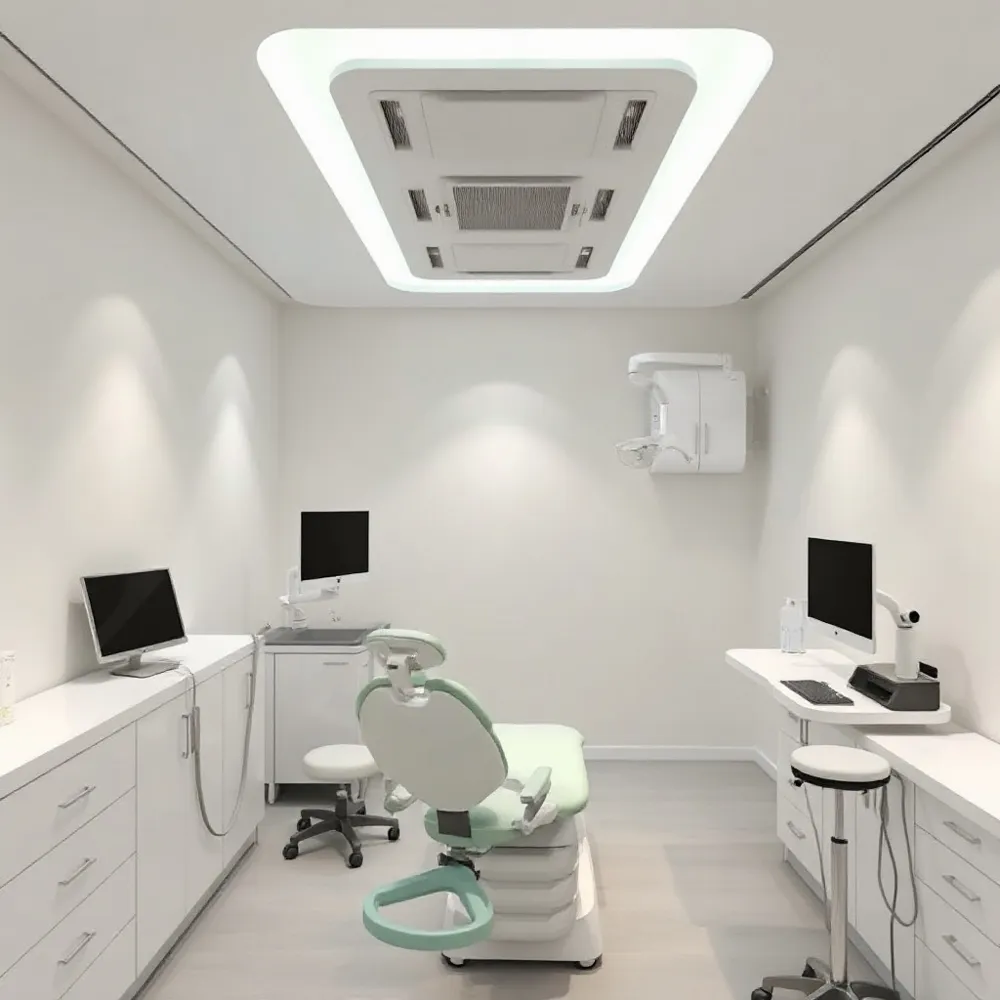 Modern orthodontics focuses on diagnosing and treating dental malocclusions to achieve optimal alignment, as outlined by the American Association of Orthodontists. Selecting the right approach requires distinguishing between fixed appliances, which remain attached for the duration of care, and removable options. Traditional braces utilize brackets bonded to teeth and wires threaded through them, with the archwire acting as the primary force for movement. When specific movements are required that standard wires cannot manage alone, orthodontists may incorporate elastics as auxiliary components.
What are the common types of orthodontic treatments available?
Common treatment methods include traditional metal and ceramic brackets, both of which serve as highly reliable fixed options for correcting complex bite issues. For those prioritizing aesthetics, clear aligner therapy provides a removable alternative that is nearly invisible during daily activities. Beyond these, specialized growth appliances or retainers are often incorporated into care plans to address jaw development or ensure long-term stability. While metal braces remain the most common choice at Trielle Orthodontics for their durability, our practice also offers clear aligners for patients seeking a more discreet path to alignment.
How are orthodontic treatment plans created for individual patients?
At Trielle Orthodontics, we build every treatment plan using advanced diagnostic technology, including high-resolution 3D digital scans. This data allows our team to map the precise structure of your teeth and jaw, identifying irregularities that might not be visible in a standard examination. By analyzing these digital models, we create a roadmap that integrates your aesthetic preferences with your functional health goals. This collaborative approach ensures that whether you choose the reliability of metal braces or the discretion of clear aligners, your care is optimized for predictable, long-term results.
Evaluating Metal, Ceramic, and Lingual Braces
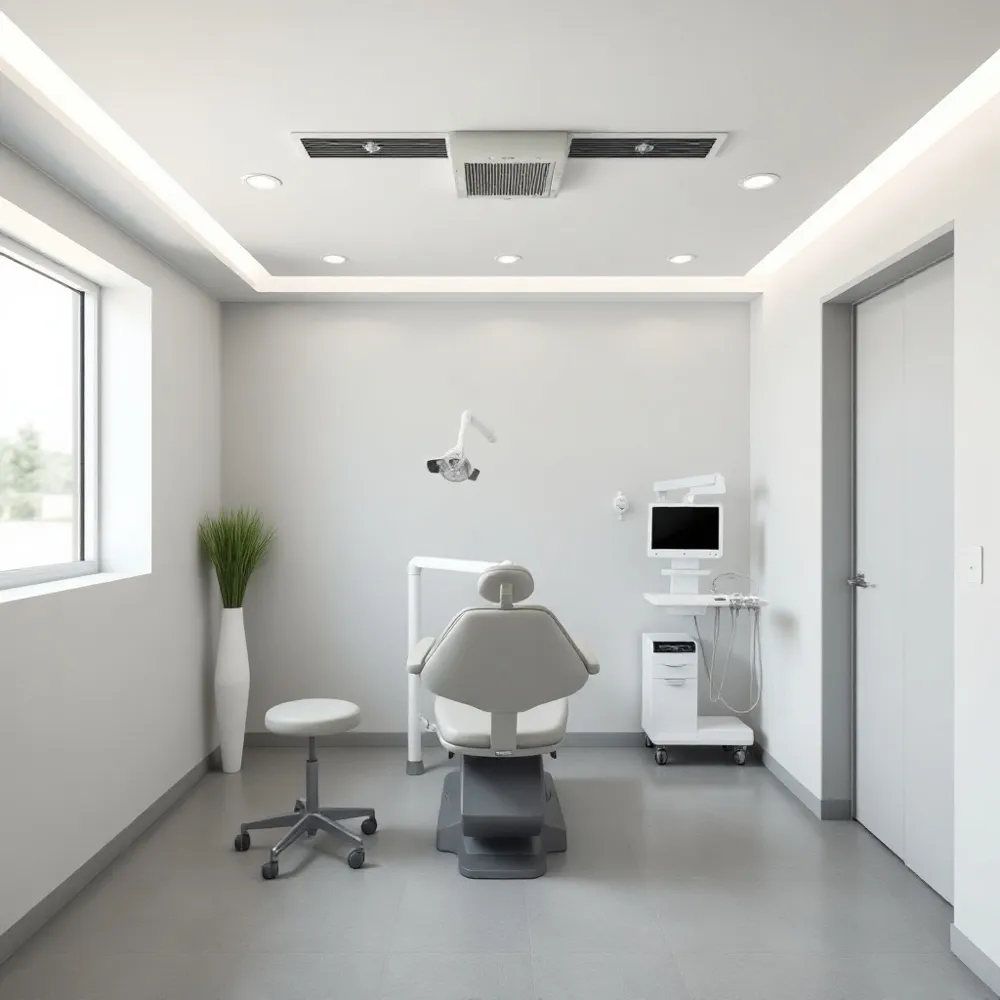 Selecting an orthodontic appliance involves balancing aesthetic goals with mechanical needs. Traditional metal braces remain the industry standard for durability, utilizing medical-grade stainless steel to address complex bite corrections efficiently. At Trielle Orthodontics, we provide these robust systems for patients who prioritize performance and cost-effectiveness in their treatment planning.
What are the main differences between metal, ceramic, and self-ligating braces?
Ceramic braces utilize polycrystalline alumina to create brackets that are either clear or matched to your natural tooth color. While this provides a significantly more discreet appearance, the material is more brittle than stainless steel, making it susceptible to fractures if subjected to hard or crunchy foods. Because of this fragility, patients often require more careful maintenance to prevent bracket breakage or staining around the elastic ties. Self-ligating systems offer a distinct mechanical advantage by using integrated clips to hold archwires rather than traditional elastic bands, which minimizes friction and often results in fewer clinical appointments for adjustments.
What are the advantages and disadvantages of lingual braces?
Lingual braces provide the ultimate aesthetic advantage by being bonded to the tongue side of the teeth, rendering them entirely invisible to observers. This level of discretion makes them a compelling choice for many adults. However, this positioning can temporarily affect speech and requires a dedicated adjustment period for tongue comfort. Because each set is custom-fitted to the unique contours of your teeth, they represent a significant investment in both time and financial resources. For those seeking alternatives that prioritize comfort and ease of cleaning, Trielle Orthodontics also offers clear aligners as a removable, high-comfort option.
| Brace Type | Key Advantage | Typical Duration |
|---|---|---|
| Metal | High durability | 18-24 months |
| Ceramic | Discreet look | 20-30 months |
| Lingual | Hidden placement | 24-36 months |
Comparing Costs and Maintenance for Ceramic and Metal Systems
Selecting an orthodontic appliance requires balancing aesthetic goals with practical considerations like budget and daily maintenance. Traditional metal braces remain the most cost-effective option, typically ranging from $3,000 to $7,000. In contrast, ceramic braces often carry a higher price point, frequently falling between $4,000 and $8,500 due to the specialized translucent materials used for the brackets. At Trielle Orthodontics, patients can explore both options to determine which system aligns best with their specific orthodontic needs and lifestyle demands.
How do ceramic braces compare to metal braces in terms of cost and treatment experience?
Ceramic braces utilize tooth-colored or clear brackets that offer a more discreet look, making them popular for adults and older teens who prefer a less noticeable appearance than the stainless steel look of traditional braces. While both systems use the same effective biomechanical principles to straighten teeth, as noted by the American Association of Orthodontists, ceramic brackets are more brittle. Because of this, they are more prone to chipping or breaking, often requiring patients to avoid hard or crunchy foods that might damage the components. Metal braces remain the most durable choice, particularly for patients involved in contact sports or those requiring correction for complex malocclusions.
Maintaining oral hygiene is essential for all orthodontic patients to prevent plaque buildup and ensure long-term periodontal health. Ceramic brackets are particularly susceptible to staining from dark-colored foods and beverages like coffee, red wine, or curry. To maintain the discreet appearance of these systems, patients must be more diligent with their brushing and flossing routines. By contrast, Trielle Orthodontics provides personalized guidance on cleaning techniques to help patients protect their treatment investment and achieve a confident smile regardless of the hardware selected.
Comfort, Adjustments, and Expectations During Treatment
Moving teeth involves applying consistent, gentle force, which naturally leads to some temporary sensation or soreness when a system is first placed or tightened. This discomfort is typically manageable with over-the-counter pain relief and often fades within a few days as your mouth adapts to the new pressure. While the biological process of moving teeth remains similar across all systems, the specific appliance you choose can influence your overall experience.
What should I expect during a typical orthodontic adjustment?
Patients with fixed appliances like metal or ceramic braces generally visit the office for adjustments every 4 to 8 weeks. These visits, which typically last 20 to 30 minutes, allow your orthodontist to assess your progress and ensure your treatment stays on schedule. During this time, the team replaces elastic ties or updates the archwires to maintain the necessary tension for continued movement. If you use clear aligners, your office visits may be less frequent, as the system relies on a series of trays rather than in-office wire adjustments.
Does the type of braces chosen affect the duration or pain level of treatment?
Different options cater to varying comfort preferences. For instance, while lingual braces are discreetly hidden behind the teeth, they may cause temporary tongue sensitivity or speech adjustments that other systems do not. Conversely, clear aligners are often favored for their smooth, removable design, though they require strict daily compliance to remain effective. At Trielle Orthodontics, we provide personalized care plans that account for your specific aesthetic goals and comfort level to ensure a smooth path to your ideal smile.
Starting Your Journey at Any Age
Achieving a properly aligned smile is not restricted to childhood. The physiological process used to move teeth remains effective throughout your life, debunking the common myth that orthodontics is only for younger patients. Whether you seek orthodontic treatment for the first time or wish to address teeth that have shifted later in life, modern care provides effective solutions for adults.
Is there an age limit for starting orthodontic treatment?
There is no upper age limit for beginning treatment. Because adult jawbones are fully developed, the movement of teeth might follow a different timeline than that of a growing teenager, but the biological mechanism for alignment remains consistent. At Trielle Orthodontics, we create personalized plans that address your specific professional and lifestyle goals. Unlike generic providers, we focus on the unique health of your gum and bone tissue to ensure stability and comfort throughout the process.
Adults often benefit from adult braces which are designed to be low-profile and effective. During your initial consultation, we evaluate your periodontal health to confirm that your gums and supporting bone are ready for treatment. By prioritizing healthy foundations, you can improve your bite, boost your confidence, and enhance long-term dental hygiene at any stage of your adult life.
Financial and Planning Considerations
 The total cost of orthodontic treatment is influenced by the complexity of your specific dental and bite issues, such as crowding or jaw alignment, which dictate the length and intensity of care. At Trielle Orthodontics, we offer personalized treatment plans that account for these individual variables to ensure patients receive precise, predictable care. The type of appliance you choose, whether traditional metal braces, ceramic brackets, or clear aligners, also impacts the final price due to differences in material costs.
What factors influence the total cost of orthodontic treatment?
For adult patients, existing dental work like crowns or bridges can add layers of complexity that necessitate more specialized planning. Your geographic location can further shift price points, as major metropolitan areas often see variations in market rates compared to other regions. Your out-of-pocket expenses are also heavily shaped by your individual insurance coverage and the specific financing options offered by your chosen practice. At Trielle Orthodontics, we prioritize accessibility by providing flexible payment options to help patients manage their investment.
Investing in orthodontics provides long-term financial benefits by preventing complex or expensive dental issues later in life, such as tooth loss, enamel wear, and gum disease. Because aligned teeth are easier to clean, professional intervention often reduces the risk of cavities and periodontal complications. Consistent compliance with your orthodontist’s instructions throughout the treatment process is essential to avoid potential delays or additional costs. By focusing on preventative health today, patients often save on larger restorative dental work in the future.
Your Path to a Confident Smile Starts Today
Selecting a specialized orthodontist is essential to ensuring your treatment plan is tailored to your unique dental anatomy and aesthetic goals. At Trielle Orthodontics, we combine modern technology with individualized care to deliver results that prioritize both your long-term oral health and your confidence. Our team focuses on creating a personalized experience, whether you are exploring clear aligners or traditional brackets.
Correcting malocclusions early at trielleorthodontics.com helps prevent future complications like gum disease, enamel wear, and jaw strain. Investing in your smile is an investment in your overall well-being. We invite you to contact our office to schedule a consultation, where we can discuss how our adult treatment options provide a path to the healthy, aligned smile you deserve.