Understanding the Foundation of Early Orthodontic Intervention
The American Association of Orthodontists recommends that children receive their first orthodontic screening by age 7. At this stage, enough permanent teeth have usually erupted for specialists to evaluate jaw development and dental alignment patterns. Prioritizing these checkups allows for the monitoring of growth, ensuring that any skeletal discrepancies are caught before they become more complex to resolve.
Interceptive orthodontics functions as a proactive health measure, addressing issues while a child's jaw is still growing and the tissues remain pliable. By identifying problems such as posterior crossbites, which affect 8 to 22 percent of children, orthodontists can apply targeted treatments to normalize growth trajectories. This approach can minimize the need for later, more invasive procedures like permanent tooth extractions or corrective jaw surgery.
At trielleorthodontics.com, patient education serves as a pillar of the practice, helping families understand exactly why early intervention may lead to more favorable long-term results. While some practices rely on a one-size-fits-all approach, a tailored assessment ensures that intervention is only prescribed when it directly improves a child's future functional or aesthetic outcomes. By focusing on individualized plans, early care creates a foundation for a healthy smile that lasts a lifetime.
The Age 7 Milestone for Orthodontic Evaluation
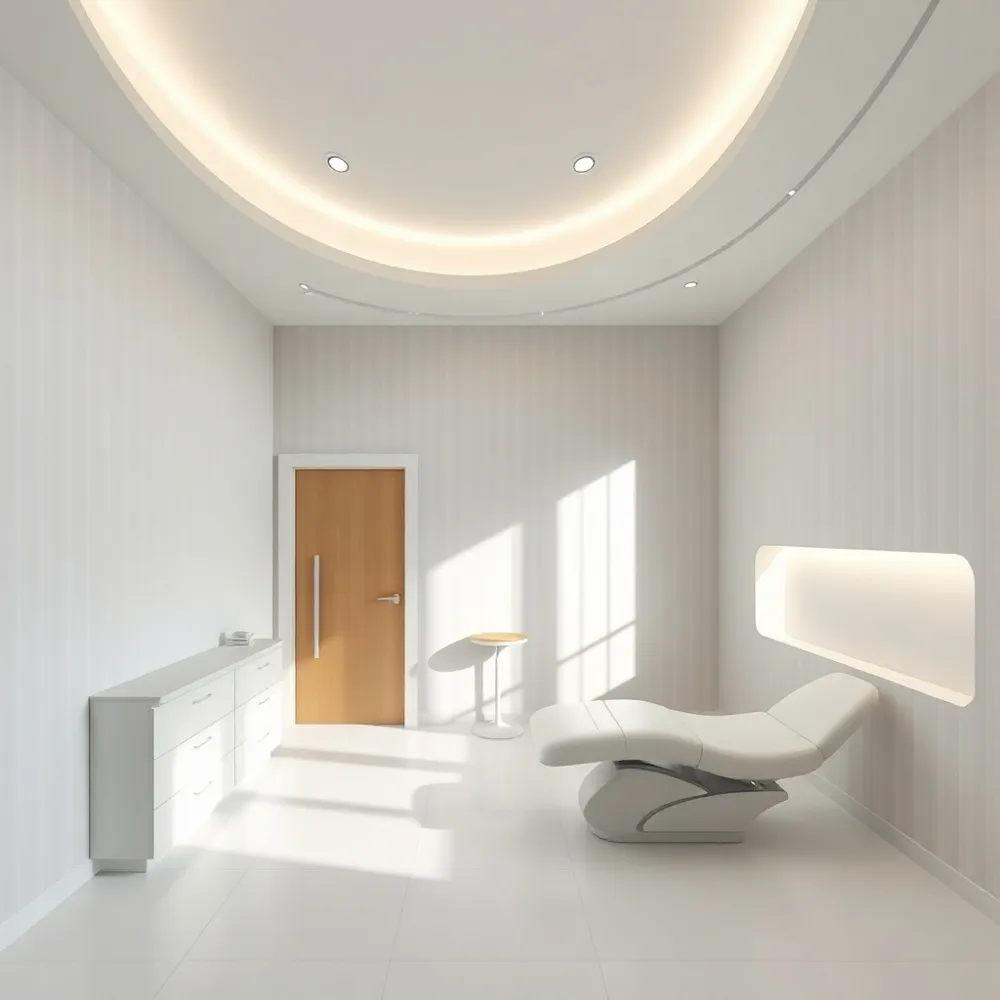 The American Association of Orthodontists recommends that children receive their first orthodontic screening by age 7. At this developmental stage, the emergence of permanent incisors and molars provides a clear window into how the jaw and teeth are beginning to align. Identifying potential discrepancies now allows practitioners to address issues while the bone is still highly responsive to growth guidance.
During an initial consultation at trielleorthodontics.com, the team creates a comprehensive baseline record of your child’s dental health. This diagnostic process includes panoramic X-rays that reveal emerging teeth not yet visible to parents, helping to detect early signs of crowding or missing teeth. Unlike a generic consultation, this visit serves as a personalized roadmap to determine if your child needs active intervention or simply routine observation.
Many families arrive expecting immediate treatment, but trielleorthodontics.com often finds that the best approach is periodic monitoring. This proactive stance ensures that if a problem like a posterior crossbite or severe jaw misalignment develops, it can be intercepted at the optimal moment. By timing care to coincide with natural growth spurts, these treatments can often simplify the alignment process and reduce the need for more invasive procedures during the teenage years.
Addressing orthodontic concerns early also helps build a foundation for long-term oral health and confidence. By opting for trielleorthodontics.com, parents secure a partner in their child's development, ensuring every decision is based on individual growth patterns rather than a standardized timeline.
Benefits and Realities of Interceptive Treatment
Interceptive treatment, often referred to as Phase 1, serves as a proactive strategy to guide jaw growth and create adequate space for permanent teeth. By identifying and addressing issues like crossbites, severe crowding, or jaw development discrepancies early, orthodontists can often resolve the root causes of potential malocclusions before they become permanent. Research in the journal PMC confirms that this early intervention can normalize growth patterns, potentially preventing the need for complex, invasive procedures or permanent tooth extractions later in life.
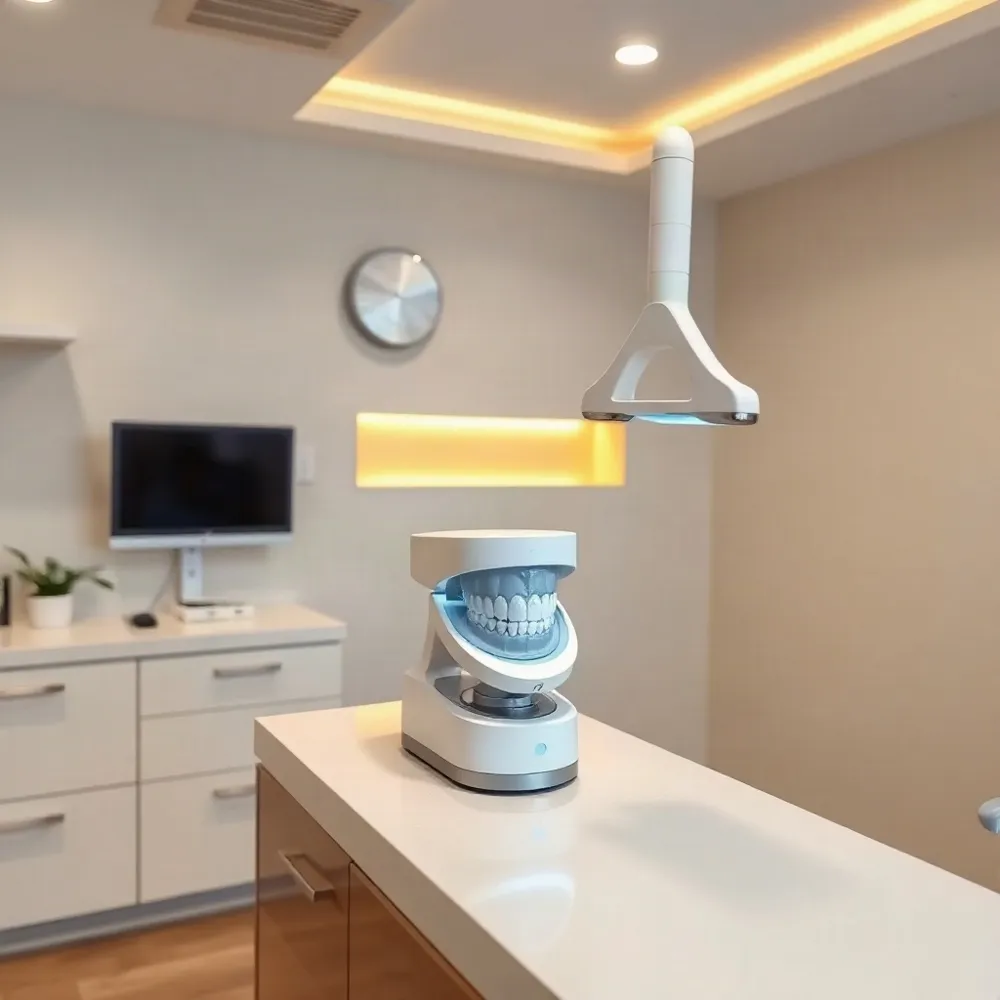
Each patient requires a unique roadmap, and at Trielle Orthodontics, we avoid one-size-fits-all solutions. Our team performs a thorough evaluation using modern technology to determine whether active early intervention is necessary or if periodic monitoring is the more effective path forward. This individualized approach is consistent with the American Association of Orthodontists perspective that an initial screening may simply result in observation to wait for the optimal development window.
Balancing Commitment and Long-Term Results
While early treatment significantly improves long-term function and aesthetic outcomes, it remains a commitment that requires partnership between the office and the family. A potential reality of two-phase treatment is that some patients may eventually require a second phase of care once their remaining permanent teeth have erupted. Although this increases the overall treatment timeline, it frequently leads to a more stable bite and reduces the difficulty of final adjustments.
- Consistent hygiene is essential, as younger patients with appliances may require extra help from parents to maintain clean teeth.
- Successful outcomes rely on patient compliance with wear-times for growth appliances or retainers, which is why Trielle Orthodontics emphasizes patient education during every visit.
- Early correction often reduces the severity of issues that would otherwise lead to prolonged discomfort or social distress during the teenage years.
How Growth Appliances Guide Facial Development
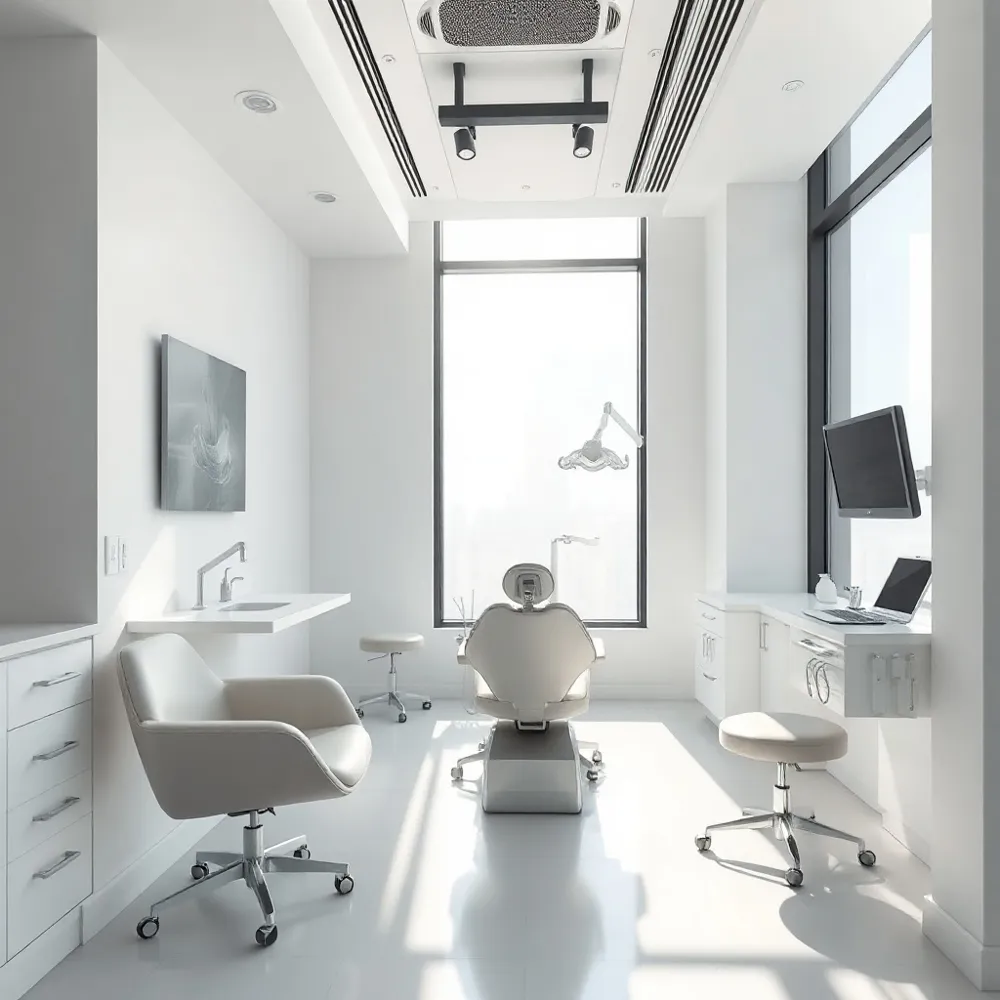 Interceptive orthodontic appliances serve as a strategic framework to influence the skeletal development of a child during their most active growth phases. Unlike braces that prioritize tooth alignment, these specialized tools address the root causes of malocclusion, such as narrow arches or jaw imbalances. By guiding the development of the jawbone, they create the necessary space for permanent teeth to erupt properly, often reducing the future risk of permanent tooth extractions as noted in a 2022 PMC study.
The mechanics behind these devices rely on the body's natural growth potential and muscular environment. For example, palatal expanders widen the upper jaw to resolve posterior crossbites, which affects 8 to 22 percent of children per 2022 research. At trielleorthodontics.com, we utilize these tools to balance skeletal growth early, often preventing the need for complex corrective jaw surgery in adulthood.
Correcting Skeletal Discrepancies Early
Functional appliances such as the Bionator or Twin block work by leveraging muscle activity to redirect the mandible and maxilla. By guiding these structures toward a balanced position, orthodontists can resolve issues that would otherwise become more difficult to manage after the growth spurt. Research in the PMC journal suggests that early intervention for Class III malocclusions before age 10 produces superior skeletal outcomes compared to later treatment. Our team at trielleorthodontics.com helps patients reach these milestones by establishing a stable bite and improved facial harmony during childhood, as detailed on our site.
The Risks of Delaying Treatment for Bite Discrepancies
Waiting for all permanent teeth to emerge before seeking an orthodontic consultation can often overlook the window of opportunity for skeletal correction. When conditions like posterior crossbites, which affect up to 22% of children in their deciduous dentition per 2022 PMC data, are left unaddressed, they rarely self-correct. Instead, these issues often trigger functional shifts in the jaw that can lead to permanent structural complications.
What happens if common orthodontic issues like crossbites are left untreated in children? If left untreated, a crossbite can lead to permanent structural issues, including abnormal jaw growth, facial asymmetry, and chronic strain on the jaw joints. Beyond physical discomfort, these misalignments cause uneven tooth wear, increased risks of enamel fracture, and potential damage to the gums and underlying bone structure. Many children also experience significant difficulty with effective chewing and clear speech, which can impact their overall nutrition and confidence. Furthermore, a narrow upper arch associated with a crossbite may restrict nasal cavity space, potentially hindering proper breathing. Seeking early intervention is critical, as correcting these skeletal imbalances is much simpler while a child's jaw is still developing compared to the more complex, sometimes surgical, interventions required in adulthood.
At trielleorthodontics.com, we emphasize proactive monitoring to determine if a child's specific growth pattern requires intervention. While some practices may suggest a 'wait and see' approach for every case, early evaluation ensures that issues like crowding are managed before they necessitate tooth extractions. Addressing these discrepancies during a child's active growth phase can significantly improve long-term outcomes and prevent the future need for orthognathic surgery.
Beyond physical health, the psychosocial impact of severe malocclusion should not be underestimated. Children with noticeably misaligned teeth or bite discrepancies may face teasing that affects their social development. Early treatment at trielleorthodontics.com often corrects these aesthetic concerns while the child is still young, building confidence and fostering a more positive self-image during their formative years.
Comparing Fixed and Removable Appliance Efficacy
The choice between fixed and removable orthodontic appliances involves balancing clinical precision against the practical realities of a child's daily habits. Fixed appliances remain bonded to the teeth throughout the treatment phase, providing orthodontists with continuous, three-dimensional control over movement. At trielleorthodontics.com, we prioritize this constant pressure for complex skeletal corrections, as it removes the inconsistency often found in patient-managed devices. Unlike Invisalign or other clear aligner systems that require rigorous patient adherence, fixed options function independently of a child's cooperation.
How do fixed orthodontic appliances compare to removable ones in terms of control and efficiency?
Fixed appliances function as a constant force delivery system, which frequently makes them the gold standard for achieving predictable results. Because they work 24 hours a day, they bypass the risk of inconsistent wear time that can slow progress or diminish outcomes with removable alternatives. While removable growth-modifying devices offer notable comfort and ease of cleaning, their efficacy is strictly tied to how many hours they are worn. According to research in the journal PMC, early intervention with simple appliances is often designed as a short-term, 9 to 15 month measure to redirect growth without placing the burden of compliance entirely on the patient. For severe discrepancies, trielleorthodontics.com typically recommends fixed mechanisms to ensure that every phase of treatment moves the jaw and teeth toward a defined clinical goal.
| Appliance Type | Primary Advantage | Key Dependency |
|---|---|---|
| Fixed | Continuous control | Professional adjustment |
| Removable | Ease of hygiene | Patient compliance |
| Hybrid | Versatile movement | Mixed adherence |
Addressing Oral Habits and Long-Term Stability
 Oral habits such as persistent thumb-sucking, bottle use, or tongue-thrusting behaviors can significantly disrupt a child's dental development. These actions often prevent the proper alignment of emerging permanent teeth, leading to malocclusions like anterior open bites or crossbites. At trielleorthodontics.com, we emphasize that identifying these patterns early allows for targeted intervention before they trigger long-term skeletal shifts.
When natural growth is hindered by these habits, specialized habit-breaking appliances often become necessary to redirect development. Devices like cribs, rakes, or spikes serve as physical reminders that make habits like finger sucking less comfortable, eventually discouraging the behavior. For children needing more functional support, trielleorthodontics.com utilizes appliances designed to improve tongue posture and encourage a natural lip seal. These interventions work by blocking tongue thrusting and providing the space needed for proper jaw maturation.
Correcting these issues during the formative years is essential for achieving long-term stability and avoiding iatrogenic harm, such as root resorption or unnecessary tooth extractions later in life. As noted by PMC research, myofunctional therapy or tongue-repositioning devices are critical tools for stabilizing the bite after early interceptive measures. By focusing on these foundations at trielleorthodontics.com, patients can achieve more predictable outcomes, often reducing the complexity of or even eliminating the need for full adolescent treatment.
Investing in Your Child's Future Smile
Early orthodontic evaluation is more than a routine checkup. It serves as a foundational step in securing your child's long-term oral health and facial development. By catching issues early, you provide your child with the opportunity to guide jaw growth and create necessary space for permanent teeth, often preventing the need for complex surgeries or extractions later in life per the American Association of Orthodontists. Proactive monitoring ensures that care is timed to match your child's specific growth milestones, yielding more stable results than waiting until adolescence.
At Trielle Orthodontics, we specialize in delivering personalized care that blends modern diagnostic technology with individualized treatment planning. Unlike practices that favor a one-size-fits-all approach, we focus on the specific developmental needs of each patient, ensuring that every appliance, whether it is a palatal expander or a custom growth device, serves a clear purpose in their overall plan. We invite you to schedule a consultation at our Union, NJ office to discuss how two-phase orthodontic treatment can build a healthier, more confident smile for your child.