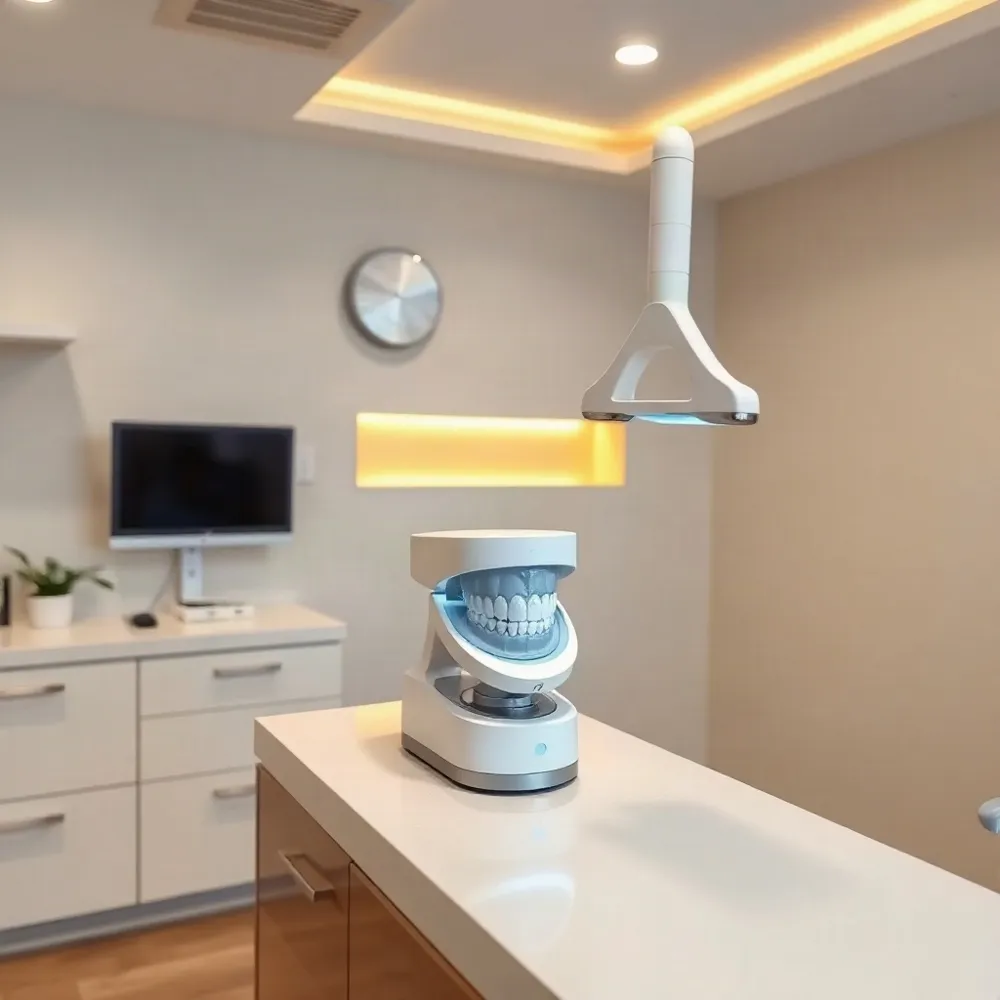
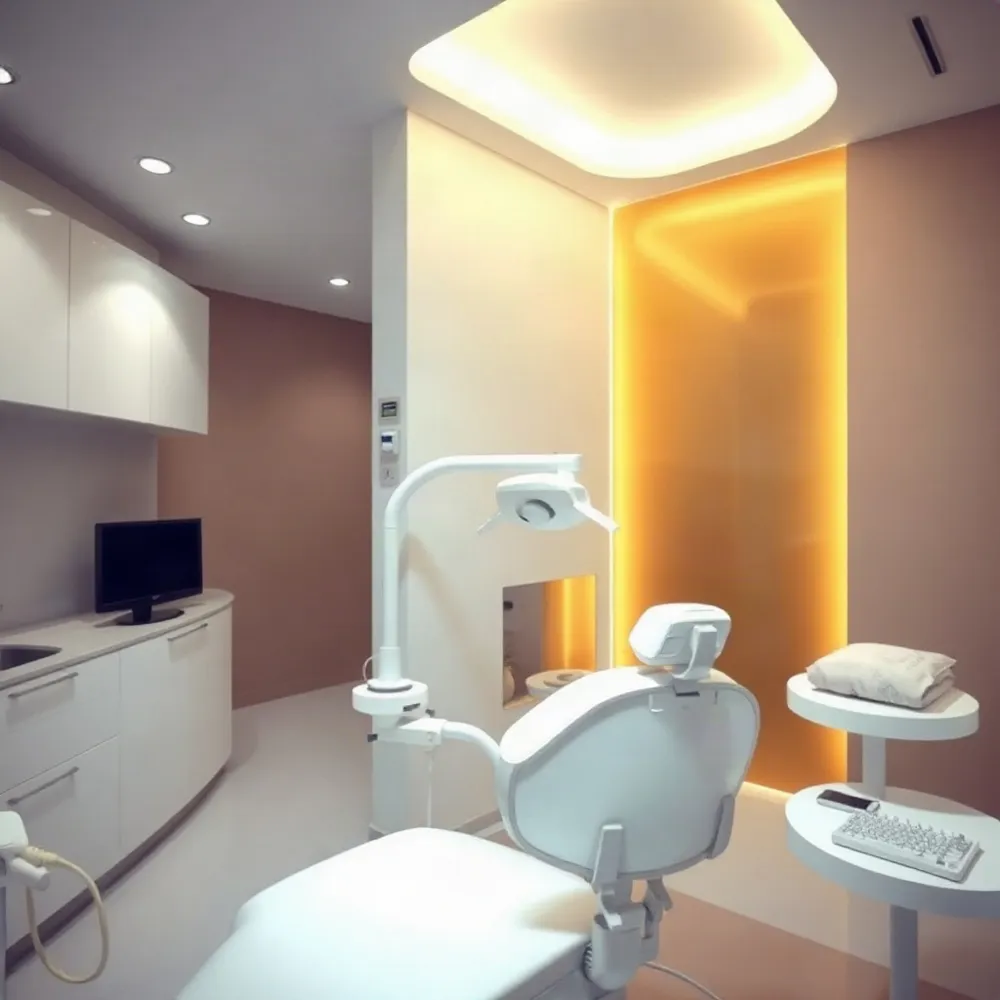
Transforming Smile Design Through Advanced Digital Intelligence
Modern orthodontics is shifting from static, traditional planning toward dynamic, data-driven systems. By integrating artificial intelligence, clinicians can now leverage multidimensional data from intraoral scans and 3D facial imaging to predict tooth movement trajectories with unprecedented clarity. According to a study published on ScienceDirect, these advancements significantly reduce operator variability and improve overall clinical efficiency.
At trielleorthodontics.com, our commitment to patient care drives our adoption of these sophisticated tools. While some practices rely on manual tracing and subjective assessment, we utilize AI-driven treatment simulations to provide objective insights. This technology acts as a powerful decision-support tool, helping us refine complex movements and visualize potential results before treatment begins.
This transition to precision analytics does not replace the expertise of a trained clinician. Research underscores that human oversight remains vital for ensuring patient safety and managing the biological nuances of every unique case. By combining machine-learning precision with personalized care, we ensure each treatment plan is as accurate and efficient as possible for our patients in Union.
Defining the Role of AI in Orthodontic Diagnostics
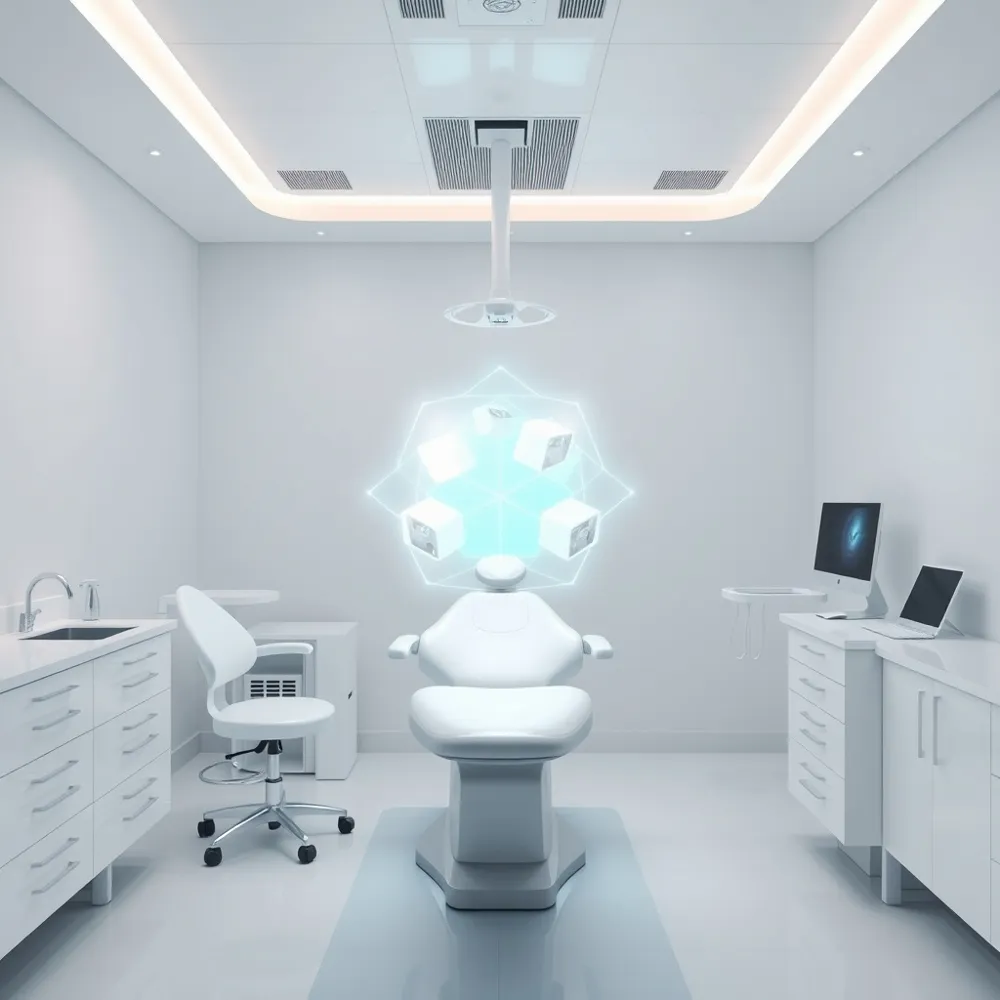 Artificial intelligence is revolutionizing modern orthodontics by significantly enhancing the speed and precision of diagnostic processes through the automated analysis of X-rays, 3D scans, and intraoral photographs. Using sophisticated technologies like convolutional neural networks, AI can detect dental and skeletal misalignments with over 90% accuracy, often outperforming traditional manual assessments while reducing processing times by up to 95% per 2024 science-based analysis. These tools allow for highly personalized treatment planning by modeling complex tooth movements and predicting clinical outcomes before care begins.
Enhancing Precision Through Automation
For clinicians at Trielle Orthodontics, the integration of machine learning into daily diagnostic workflows means moving beyond manual landmark tracing. Research indicates that systems like Diagnocat can identify cephalometric landmarks and perform skeletal maturity assessments with significantly higher repeatability than manual methods. By automating the identification of complex cranial structures, practitioners spend less time on repetitive data entry and more time evaluating the unique needs of each patient.
Beyond simple landmarking, AI-based systems provide deep diagnostic insights that support proactive care. Modern algorithms can analyze multidimensional data to predict tooth movement trajectories and identify early-stage periodontal risks before they escalate. At Trielle Orthodontics, this technology ensures that treatment paths are defined by objective data rather than generalized philosophies.
While these digital tools offer impressive accuracy, they function as clinical aids rather than replacements for human expertise. Manual validation remains an essential requirement to address the potential unpredictability of algorithms, particularly in complex cases where biological factors like bone density play a decisive role in final outcomes.
Maximizing Practice Efficiency and Workflow Automation
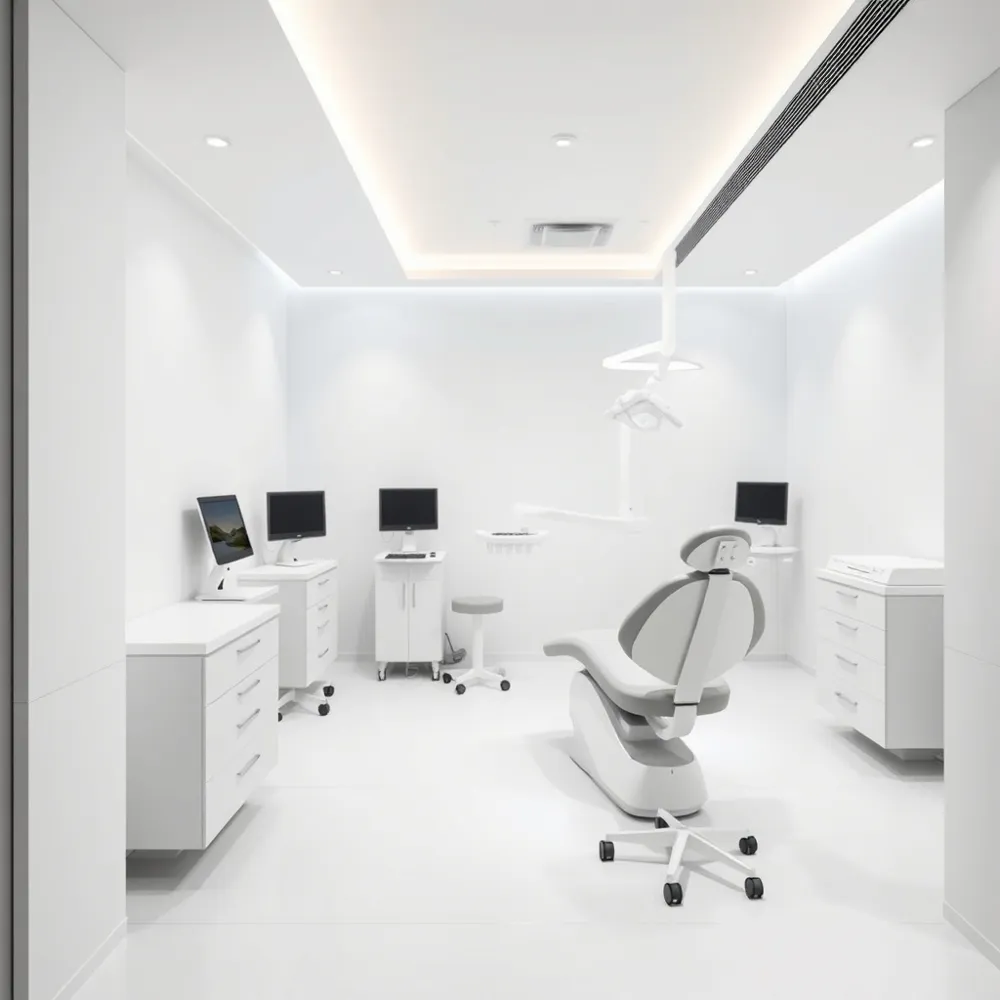 Artificial intelligence significantly enhances the efficiency of orthodontic practice by automating complex tasks such as cephalometric analysis, skeletal-maturation assessment, and clinical documentation. By leveraging sophisticated algorithms and large datasets, AI enables practitioners to forecast treatment outcomes with greater precision while optimizing the configuration of clear aligners. At Trielle Orthodontics, this integration of digital precision allows our team to focus on individualized care rather than routine administrative bottlenecks.
Efficiency gains begin in the lab, where AI-driven software handles time-intensive tasks like trimming, basing, and labeling of STL files. These automated workflows minimize the human error often found in manual model preparation. While some practices struggle with slow, manual record handling, Trielle Orthodontics uses integrated digital tools to ensure consistent quality in every clear aligner and orthodontic appliance. This transition to automated lab sequences reduces the potential for costly production errors.
Beyond the laboratory, AI streamlines patient communication and operational scheduling. Automated systems help manage patient inquiries through intelligent chatbots, while remote monitoring tools track progress in real-time, effectively reducing the frequency of in-office visits. By standardizing digital records, clinics can better accommodate higher patient volumes without sacrificing the level of personalized attention that patients expect. These advances ensure that chair time is reserved for critical clinical interventions rather than routine progress checks, which Trielle Orthodontics prioritizes to support active professionals with busy schedules.
| Benefit Area | Manual Approach | AI-Driven Enhancement |
|---|---|---|
| Record Analysis | Manual Tracing | Automated Landmark ID |
| Model Prep | Manual Trimming | Automated STL Optimization |
| Patient Follow-up | In-person Visits | Remote Virtual Tracking |
Quantifiable Reductions in Treatment Timelines
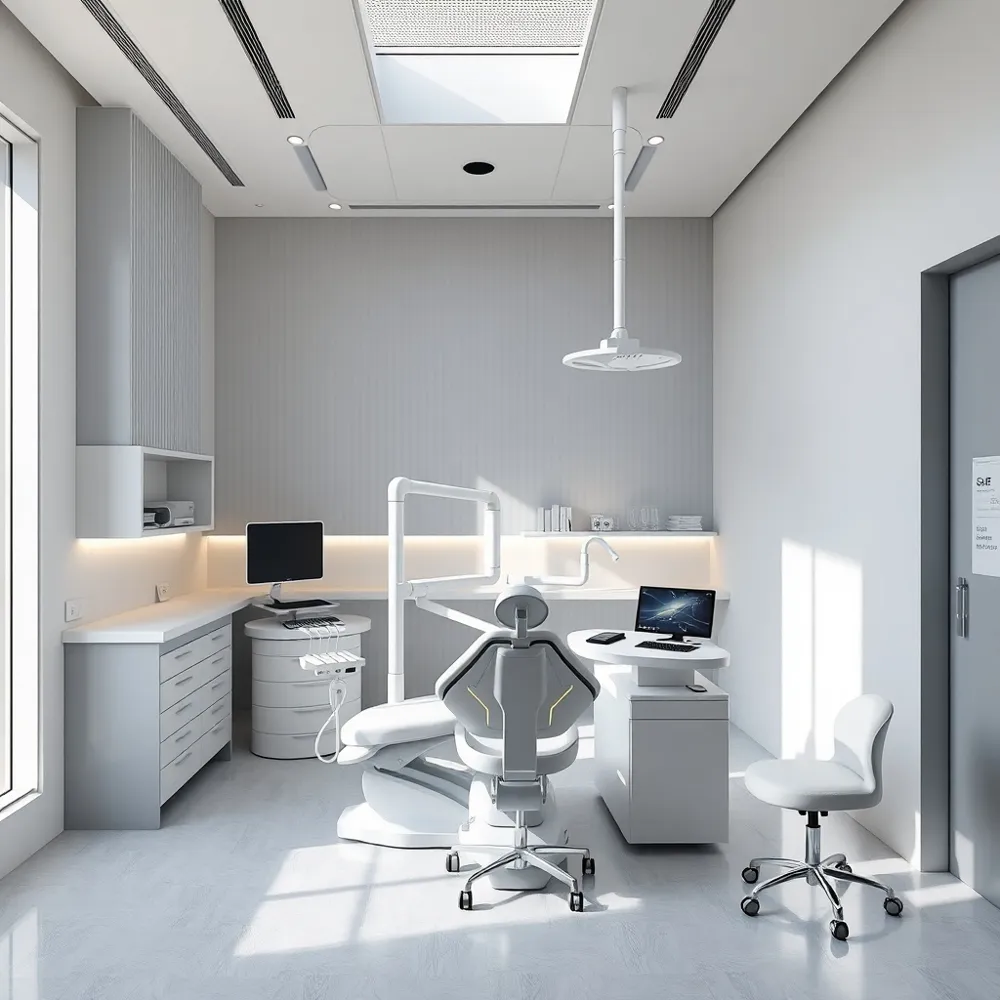 Integrating advanced digital tools into the care process offers measurable improvements to the speed of orthodontic outcomes. Research indicates that AI-driven treatment planning can shorten overall orthodontic treatment timelines by up to 30%, which equates to an average savings of approximately 4.3 months for the patient. By leveraging high-resolution imagery and predictive algorithms, clinicians can simulate tooth movement with higher precision, allowing them to anticipate and address potential complications long before they disrupt the active phase of care.
Efficiency gains stem from the ability of algorithms to optimize biomechanical force application and simulate outcomes through digital twin modeling. For patients selecting clear aligners at Trielle Orthodontics, this predictive capability translates into fewer required aligner trays and a significant reduction in the frequency of mid-course corrections. These optimizations ensure that the treatment remains on the most direct path toward the predicted final alignment.
Can the length of orthodontic treatment be shortened, and what factors contribute to this? While standard orthodontic treatment typically lasts between 12 and 36 months, patients can help optimize their timeframe by maintaining excellent oral hygiene, following dietary guidelines, and adhering strictly to personalized care plans. Advanced treatment planning tools reduce manual error and standardize the delivery of force, which serves as a vital factor in minimizing the total time spent in treatment.
| Metric | Performance Gain | Clinical Benefit |
|---|---|---|
| Average Time Saved | ~4.3 Months | Accelerated completion |
| Planning Accuracy | Up to 95.5% | Higher predictability |
| Aligner Efficiency | 20% fewer trays | Fewer corrections |
Empowering Patients Through Virtual Monitoring and Visualization
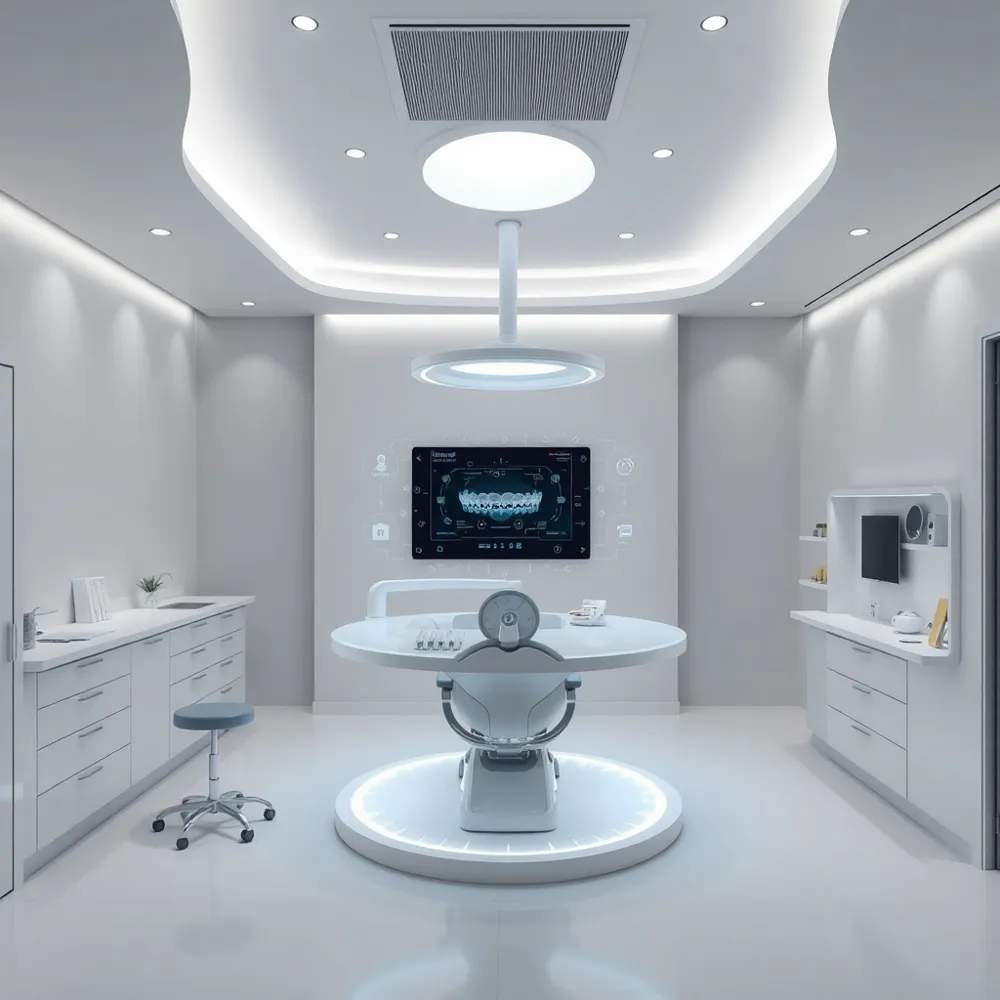 The integration of artificial intelligence into orthodontic treatment significantly alters how patients interact with their own care journey. By leveraging sophisticated 3D modeling, clinicians can now generate detailed digital simulations of a patient's projected results before treatment even begins. At Trielle Orthodontics, this technology enables patients to visualize their future smile, which fosters greater confidence and informed decision-making throughout the process.
Beyond initial planning, AI-driven digital platforms enhance the patient experience by facilitating remote progress tracking. Through dedicated mobile apps, patients can share consistent images of their progress, which are then analyzed by machine learning algorithms to monitor tooth movement in real time. Research suggests that these remote systems, such as Dental Monitoring, allow for more agile clinical adjustments by comparing actual outcomes against the initial predicted model.
This virtual approach directly translates into improved convenience by reducing the frequency of necessary in-office appointments. While traditional care often requires frequent physical visits for routine checks, remote monitoring ensures that face-to-face time is reserved for interventions where professional, hands-on attention is truly beneficial. Trielle Orthodontics utilizes this connectivity to maintain the high standard of personalized care expected by busy adults, ensuring each patient remains on track while minimizing the need for travel to the practice.
| Capability | Patient Benefit | Clinical Impact |
|---|---|---|
| 3D Visualization | Motivation | Informed Consent |
| Remote Access | Convenience | Lower Visit Frequency |
| Real-time Tracking | Compliance | Proactive Adjustment |
Essential Practices for Optimal Orthodontic Outcomes
 Achieving an ideal smile requires a synchronized partnership between orthodontic technology and patient compliance. While modern tools like those used at Trielle Orthodontics leverage AI-driven treatment planning to optimize tooth movement, the mechanical and biological success of your treatment ultimately depends on how well you manage your daily responsibilities.
What practical steps can patients take to ensure the best outcomes during braces treatment?
Consistent oral hygiene remains the single most important factor in keeping your treatment on schedule. Plaque buildup around brackets or aligners can lead to inflammation, which complicates the biological environment required for tooth shift. Regularly brushing and flossing are necessary to maintain the health of your gum tissue, which supports efficient tooth movement throughout the process.
- Adhere to dietary guidelines by avoiding hard, sticky, or chewy foods that might fracture appliances or dislodge brackets.
- Cut hard vegetables and fruits into manageable, bite-sized pieces to prevent undue stress on your orthodontic hardware.
- Wear rubber bands or aligners exactly as directed, since compliance is the primary driver behind meeting estimated treatment timelines.
- Avoid non-food habits like nail-biting or chewing on pens, as these can cause microscopic damage to wires and aligners that necessitate unexpected repairs.
- Attend every scheduled progress assessment to allow our clinical team to verify that movement is aligning with your digital treatment model.
At Trielle Orthodontics, we use highly accurate predictive modeling to map your path toward a healthy smile. However, these simulations assume a high degree of patient consistency. By protecting your hardware and showing up for regular adjustments at our Union office, you ensure that the data-driven precision we build into your plan translates directly into real-world results.
The Irreplaceable Role of Professional Human Oversight
 While artificial intelligence offers significant advantages in diagnostic speed and data analysis, it serves strictly as a decision-support tool rather than an autonomous pilot. Technologies like Diagnocat can identify cephalometric landmarks significantly faster than manual methods, but these systems operate within parameters established by the clinician. At trielleorthodontics.com, the team leverages these automated insights to enhance precision while maintaining the final authority on every treatment decision.
Clinical complexity remains a primary boundary for current algorithmic capabilities. Research indicates that while AI achieves high accuracy in typical, mild-to-moderate cases, its reliability often drops in complex scenarios that involve significant skeletal or soft-tissue irregularities per 2024 ScienceDirect findings. Unlike generalized software, an experienced orthodontist evaluates biological variables, such as root health and bone density, which are critical to long-term stability and patient safety.
Final validation processes ensure that every automated suggestion aligns with the unique needs of the individual. Because software can occasionally struggle with the unpredictability of complex dental mechanics noted in Frontiers research, professional human oversight acts as a necessary safeguard. This human-centric approach guarantees that the advanced tools used at our practice serve as an extension of professional expertise, ensuring that efficiency never comes at the cost of personalized, high-quality care.
The Future of Personalized Smile Care in Union
The integration of digital intelligence is redefining the patient experience at Trielle Orthodontics. By utilizing advanced artificial intelligence for precision diagnostics and predictive modeling, our practice ensures that every treatment plan is tailored to the unique biological and structural needs of the individual. This transition toward data-driven insights enables us to provide care that is not only more efficient but also significantly more predictable.
While technology drives our precision, the core of our approach remains rooted in personalized, compassionate service. We view AI as a sophisticated decision-support tool that augments, rather than replaces, the essential human judgment of our clinicians. As noted in Frontiers in Dental Medicine, this collaborative model allows for real-time monitoring and adjustments, which keeps the focus entirely on patient comfort and long-term oral health outcomes.
For patients in Union, this means access to modern workflows that translate into shorter timelines and specialized attention. Whether you are considering clear aligners or traditional braces, our team uses state-of-the-art tools to help you visualize your future smile before treatment even begins. We invite you to visit trielleorthodontics.com to request a consultation and discover how our commitment to modern, individualized care can help you achieve your goals.