When Bites Go Wrong: The Foundation of Jaw Health
A healthy bite allows teeth to meet evenly, the jaw to sit in a balanced position, and the temporomandibular joints (TMJ) to move smoothly. When this balance is lost, a cascade of problems can follow. The medical term for a misaligned bite is malocclusion, a condition affecting roughly 56% of people worldwide. In a person with malocclusion, the upper and lower teeth do not fit together properly when the mouth closes, forcing the jaw's muscles and joints to work harder during even simple actions like chewing or speaking.
This extra strain on the jaw is a direct pathway to temporomandibular joint disorder (TMD or TMJ disorder). The temporomandibular joints are the hinge points connecting the lower jaw to the skull. When the bite is not balanced, these joints absorb uneven pressure, leading to symptoms such as jaw pain or tenderness, clicking or popping noises, frequent headaches, and difficulty opening the mouth widely. The American Association of Orthodontists notes that bite problems will not fix themselves and often worsen over time if left untreated.
Orthodontic treatment addresses these root causes by realigning the teeth and correcting jaw positioning to create a balanced bite. A comprehensive orthodontic assessment examines not just dental alignment but also how the jaw functions during movement. For patients in Union, NJ, Trielle Orthodontics provides personalized care that includes detailed bite analysis to determine whether the source of TMJ discomfort is dental, skeletal, or both. By evenly distributing bite forces, orthodontic correction can relieve the pressure on the TMJ and the surrounding muscles, offering a structural solution rather than a temporary fix.
What Is Malocclusion and Why Treat It?
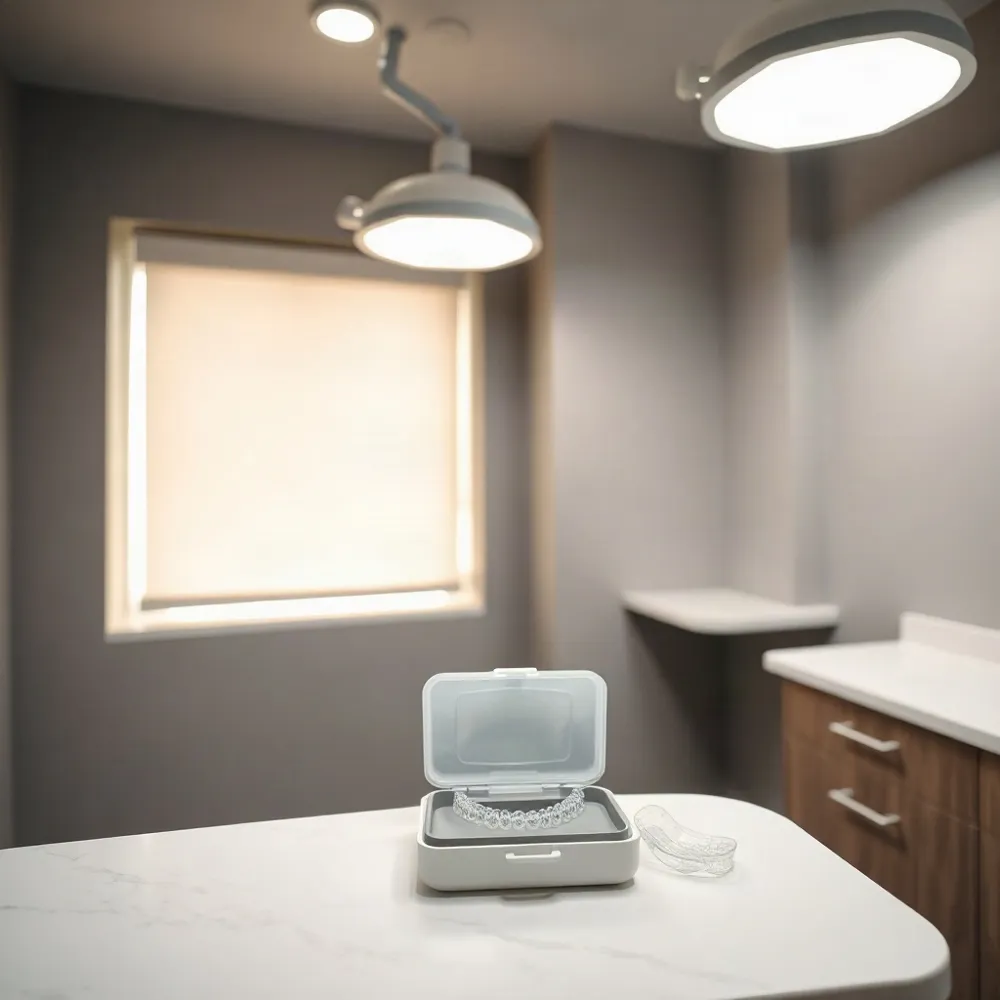 Malocclusion, often called a "bad bite," occurs when the upper and lower teeth do not align properly when the mouth closes, according to the Cleveland Clinic. This misalignment can take several forms, including overbite (excessive vertical overlap of upper teeth), underbite (lower teeth extend past upper teeth), crossbite (upper teeth fit inside lower teeth), open bite (front or back teeth do not touch), overjet (protruding upper front teeth), and crowding (overlapping or twisted teeth due to insufficient space).
Malocclusion is extremely widespread, affecting an estimated 56% of people worldwide, with up to 93% of children and adolescents exhibiting some degree of misalignment. While not every case requires treatment, the consequences of leaving a significant malocclusion untreated can be severe and cumulative. The Cleveland Clinic notes that over time, a bad bite can lead to tooth erosion, tooth decay, gum disease, injury to the gums, and jaw pain.
Beyond physical oral health, a poorly aligned bite can interfere with essential functions like chewing and speaking, potentially leading to malnutrition or speech difficulties. The impact extends to mental well-being as well; research indicates that some individuals may avoid social situations because they feel self-conscious about their misaligned teeth. At Trielle Orthodontics, we provide personalized treatment plans to correct malocclusion and prevent this cascade of long-term harm, helping patients achieve both a healthier mouth and greater confidence.
What Is Considered Severe Malocclusion?
Severe malocclusion goes beyond minor crowding or a slightly crooked tooth. It is defined by a degree of misalignment that directly interferes with oral health and daily function. When the bite is so far off that it causes tooth erosion, gum disease, or makes chewing and speaking difficult, the case is classified as severe. The Cleveland Clinic notes that untreated malocclusion can lead to conditions such as jaw pain, sleep apnea, and malnutrition due to chewing issues.
Orthodontic treatment with braces or clear aligners is the standard approach, but severe cases, especially those involving skeletal discrepancies, may require oral surgery. For example, a Class III malocclusion (underbite) or a severe open bite often combines dental misalignment with underlying jaw-growth problems. Surgery (orthognathic surgery) repositions the jaw bones, while braces align the teeth. The American Association of Orthodontists explains that bite problems will likely not fix themselves and will often worsen with time if not treated by a professional.
The Hardest Bite to Fix
Severe underbites and open bites are widely regarded as the most challenging to correct because they involve both dental and skeletal factors. An underbite (lower teeth protrude past upper teeth) and an open bite (front teeth do not touch) often require a combination of orthodontic mechanics and surgical intervention for lasting results. At Trielle Orthodontics in Union, NJ, a thorough evaluation using digital imaging and bite analysis determines whether the problem is primarily dental, skeletal, or both, guiding the choice between braces, functional appliances, or joint surgery for a stable outcome.
Can an Orthodontist Fix a Misaligned Jaw?
 Yes, an orthodontist can fix a misaligned jaw. Orthodontic treatments like braces, clear aligners, and functional appliances apply gentle, controlled pressure to trigger bone remodeling. This process gradually moves teeth and guides the jaw into proper alignment, correcting problems such as overbites, underbites, and crossbites.
For mild to moderate cases, clear aligners such as Invisalign can effectively address misalignment while offering a discreet and removable option. At Trielle Orthodontics, we create personalized treatment plans that consider your unique needs, whether that involves clear aligners, traditional braces, or a combination of approaches.
Successful orthodontic treatment not only improves bite function but can also enhance facial symmetry and relieve associated discomfort like jaw pain or headaches. By distributing bite forces evenly, a balanced bite reduces strain on the temporomandibular joint (TMJ) and surrounding muscles.
For more complex cases, especially those involving skeletal discrepancies where the jaw bones themselves are misaligned, an orthodontist may recommend combining braces with orthognathic (jaw) surgery. This combined approach has a success rate of nearly 94%, according to the Cleveland Clinic. Your orthodontist will evaluate whether your misalignment is dental, skeletal, or both to determine the most effective treatment path.
Deep Bite: Worth Fixing for TMJ Health
A deep bite, often called an excessive overbite, occurs when the upper front teeth overlap the lower front teeth significantly. In severe cases, the lower teeth may actually bite into the roof of the mouth, causing painful sores. This is one of the seven common bite problems, and it can stem from early loss of baby teeth, overdevelopment of supporting bone, or discrepancies in jaw growth, as described by the American Association of Orthodontists.
The consequences of an untreated deep bite go beyond mouth sores. The excessive overlap forces the lower jaw into an unnatural, retruded position during chewing and speaking. This places chronic strain on the temporomandibular joint (TMJ) and its surrounding muscles, often leading to jaw pain, clicking, and headaches. The uneven bite forces also accelerate wear on the front teeth, causing tooth damage and sensitivity.
Orthodontic Correction and TMJ Relief
Orthodontic treatment can correct a deep bite by using appliances that open the bite and guide the teeth into a healthier relationship. At Trielle Orthodontics, treatment plans may include traditional braces or clear aligners, each designed to distribute biting forces evenly across the jaw. By allowing the jaw to close in a natural, relaxed position, this correction alleviates pressure on the TMJ and often reduces or eliminates associated pain. Addressing a deep bite is a worthwhile investment, as it prevents further dental damage and restores comfortable, balanced function.
Orthodontic Solutions for Severe Bite Problems
Braces and Clear Aligners: Choosing the Right Tool
Traditional metal braces remain the most dependable option for moderate to severe malocclusion. They use brackets and archwires to apply gentle, controlled pressure that moves teeth into proper alignment, correcting overbites, underbites, crossbites, and deep bites with a success rate exceeding 90%. Clear aligners offer a nearly invisible, removable alternative that works well for mild to moderate cases, such as minor crowding or open bites, with an 80–90% success rate. Treatment duration averages 12–24 months for braces and 12–18 months for aligners.
Functional Appliances for Growing Patients
For children and adolescents whose jaws are still developing, functional appliances can guide skeletal growth and often prevent the need for surgery later. Palatal expanders widen a narrow upper jaw, correcting crossbites and creating space for crowded teeth. Headgear, such as reverse-pull face masks or high-pull headgear, modifies the growth of the upper or lower jaw to address severe overjets or underbites. The American Association of Orthodontists recommends an evaluation by age 7, when these appliances are most effective.
Combined Orthodontic and Surgical Treatment
Some skeletal malocclusions—such as significant underbites, open bites, or facial asymmetry—cannot be fully corrected with braces or appliances alone. In these cases, orthognathic (jaw) surgery repositions the upper or lower jaw, and orthodontic treatment fine-tunes the bite alignment afterward. This combined approach has a success rate of almost 94%, according to research cited by the Cleveland Clinic. Recovery typically requires a hospital stay and about a week off from work or school.
Occlusal Adjustments and Bite Splints
For patients with TMJ-related bite issues, orthodontists may use occlusal adjustments—reshaping small areas of tooth surfaces to improve how the upper and lower teeth contact—and temporary bite splints or night guards. These tools help reposition the jaw, reduce grinding and clenching, and relieve muscle tension before or alongside active orthodontic treatment. They are particularly useful for adults whose bite problems have contributed to chronic jaw strain.
Braces. Over 90% success rate across all severity levels. Ideal for complex movements and deep overbites, crossbites, and severe crowding.
Clear Aligners. 80–90% success rate for mild to moderate cases. Nearly invisible and removable, suited for adults with minor misalignment.
Combined (Surgery + Ortho). Nearly 94% success rate for skeletal jaw issues such as underbites and open bites that cannot be fixed with appliances alone.
Functional Appliances. Palatal expanders, headgear, and Herbst/Twin Block appliances guide jaw growth in children, often preventing the need for surgery.
Treating TMJ Through Bite Correction
When the bite is misaligned, the jaw must compensate during chewing and speaking, creating chronic tension in the muscles and joints that surround the temporomandibular joints (TMJ). This uneven force distribution can strain the TMJ cushioning disc, leading to clicking, popping, stiffness, and inflammation over time.
Orthodontic correction addresses this strain at its source. By realigning the teeth and jaws into a balanced bite, treatment ensures that forces are distributed evenly, reducing pressure on the TMJ. Many patients notice improvements in TMJ symptoms within the first few months as joint inflammation decreases and the bite becomes more stable.
Maintaining those results requires a thorough retention phase. After active treatment, wearing retainers as directed prevents the teeth from shifting back, which would reintroduce bite stress and potentially bring back TMJ pain. For many patients, nightly retainer wear continues indefinitely to secure the corrected bite.
While bite correction can significantly reduce TMJ dysfunction, some cases stem from multiple causes such as stress, arthritis, or nighttime grinding. A comprehensive approach that combines orthodontic care with lifestyle modifications, jaw exercises, or stress management may provide the most complete relief. At Trielle Orthodontics, personalized treatment plans account for these factors, helping patients achieve both a balanced bite and lasting jaw comfort.
Long-Term Benefits of Orthodontic Care
 Orthodontic treatment offers benefits that extend far beyond a straighter smile. Correcting a misaligned bite provides lasting improvements in daily comfort, oral health, and facial function.
Reduced Jaw Pain and TMJ Symptoms
A properly aligned bite distributes chewing forces evenly across the jaw, significantly reducing strain on the temporomandibular joints. Many patients experience fewer tension headaches, less clicking and popping, and diminished jaw pain within months of starting treatment.
Improved Function and Oral Health
Straight, well-aligned teeth are easier to brush and floss, lowering the risk of tooth decay and gum disease. Better bite alignment also improves chewing efficiency and speaking clarity, allowing for more comfortable daily function.
Enhanced Facial Symmetry and Confidence
Orthodontic correction helps the jaw sit in a more natural, balanced position, which can improve facial symmetry and definition. Patients often report a significant boost in self-esteem as their smile and profile become more harmonious.
Prevention of Future Dental Damage
An untreated misaligned bite places excessive pressure on certain teeth, causing premature flattening, cracking, and fractures. By balancing the bite, orthodontic treatment protects teeth from accelerated wear and shifting later in life.
Early Evaluation for Children
The American Association of Orthodontists recommends children have their first orthodontic evaluation by age 7. At this stage, an orthodontist can detect emerging jaw discrepancies and guide growth with functional appliances, often preventing the need for more invasive treatment later. Trielle Orthodontics offers early evaluations to identify issues like crossbites and growth imbalances while the jaw is still developing, setting the stage for a healthier, more stable bite.
Your Path to a Balanced Bite and Happy Jaw
Orthodontic care addresses more than just crooked teeth — it resolves complex bite and jaw issues that affect daily comfort, oral health, and confidence. A balanced bite allows the jaw to rest in a natural, relaxed position, reducing the muscle strain and joint irritation that lead to chronic TMJ pain. When left untreated, misalignment can worsen over time, causing tooth erosion, gum disease, and difficulty chewing.
Early evaluation plays a central role in effective treatment. Children as young as seven can benefit from an orthodontic assessment, as the jaw is still growing and more responsive to guidance. For adults, personalized treatment plans can address long-standing alignment problems or correct changes that occurred after childhood. Every patient’s anatomy is different, which is why customized care matters.
Modern orthodontic solutions make treatment more comfortable and convenient than ever. At Trielle Orthodontics in Union, NJ, patients receive individualized attention, advanced technology, and flexible payment options to help them achieve lasting results. Whether the goal is relieving jaw pain, improving chewing function, or creating a more confident smile, a balanced bite is the foundation.