Welcome to the Future of Orthodontic Care
Modern orthodontics blends advanced digital tools with patient-centered care, replacing the uncomfortable molds and frequent adjustments of the past with streamlined, precise digital workflows that improve comfort and save time.
Digital Orthodontics: A New Standard of Precision
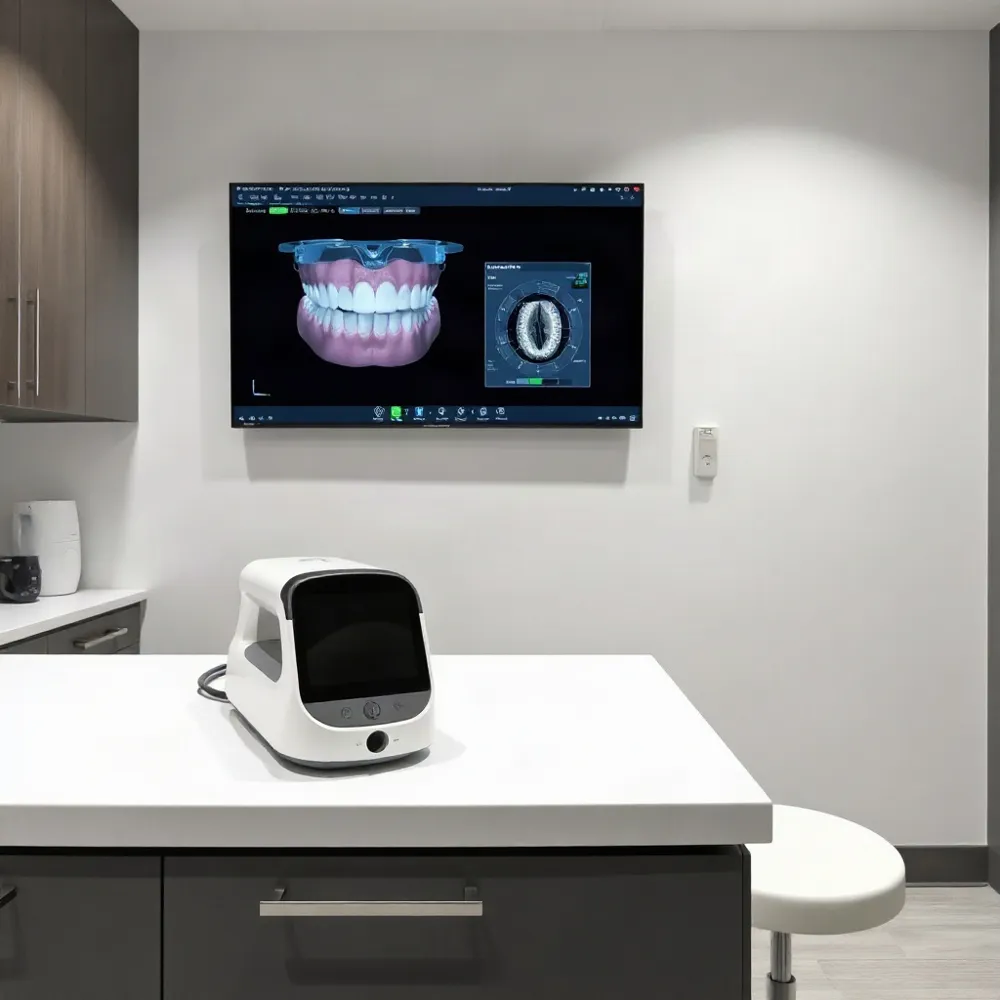 Digital orthodontics uses advanced imaging, 3D scanning, and computer-assisted treatment planning to guide the entire orthodontic process. This modern approach replaces the traditional method of taking uncomfortable plaster molds with quick, painless intraoral scans that create an exact 3D model of the teeth and jaws in minutes.
The precision of digital models allows orthodontists to simulate tooth movement before treatment even begins. By predicting how teeth will shift over time, practitioners can design highly accurate treatment plans that reduce the need for mid-course adjustments and improve overall outcomes.
Patients also benefit from enhanced education through visual tools. With digital treatment planning, people can see before-and-after images of their projected smile before committing to care. Seeing a realistic preview of the final result builds trust, provides motivation, and helps patients make informed decisions about their orthodontic journey.
At Trielle Orthodontics, integrating digital impressions with AI-driven planning not only shortens chair time and improves accuracy but also creates an interactive, transparent experience that empowers patients to feel more engaged in their treatment.
How Digital Tools Transform the Patient Experience
The shift from physical molds to digital scanning is a comfort breakthrough. Traditional impressions required patients to bite into a tray of putty-like material that could trigger gagging and took several minutes to set. Digital scanners capture thousands of images per second with a small wand, producing a precise 3D image in a fraction of the time with no discomfort.
Beyond comfort, digital models enable orthodontists to evaluate cases on-screen with greater diagnostic accuracy. Tooth positions, jaw relationships, and bite patterns can be examined in high detail, supporting tailored treatments that are more efficient and predictable than methods relying on manual measurements.
| Feature | Traditional Approach | Digital Orthodontics Approach |
|---|---|---|
| Impression method | Plaster molds (messy, uncomfortable) | Intraoral scan (quick, painless) |
| Treatment planning | Manual X-rays and models | 3D simulation with AI prediction |
| Patient visualization | Charts and verbal explanations | Digital before-and-after previews |
| Appointment efficiency | Longer chair time for mold taking | Scan in minutes, immediate modeling |
| Mid-treatment adjustments | Frequent manual corrections needed | Fewer adjustments due to precise planning |
Latest Tech: Intraoral Scanners and 3D Printing
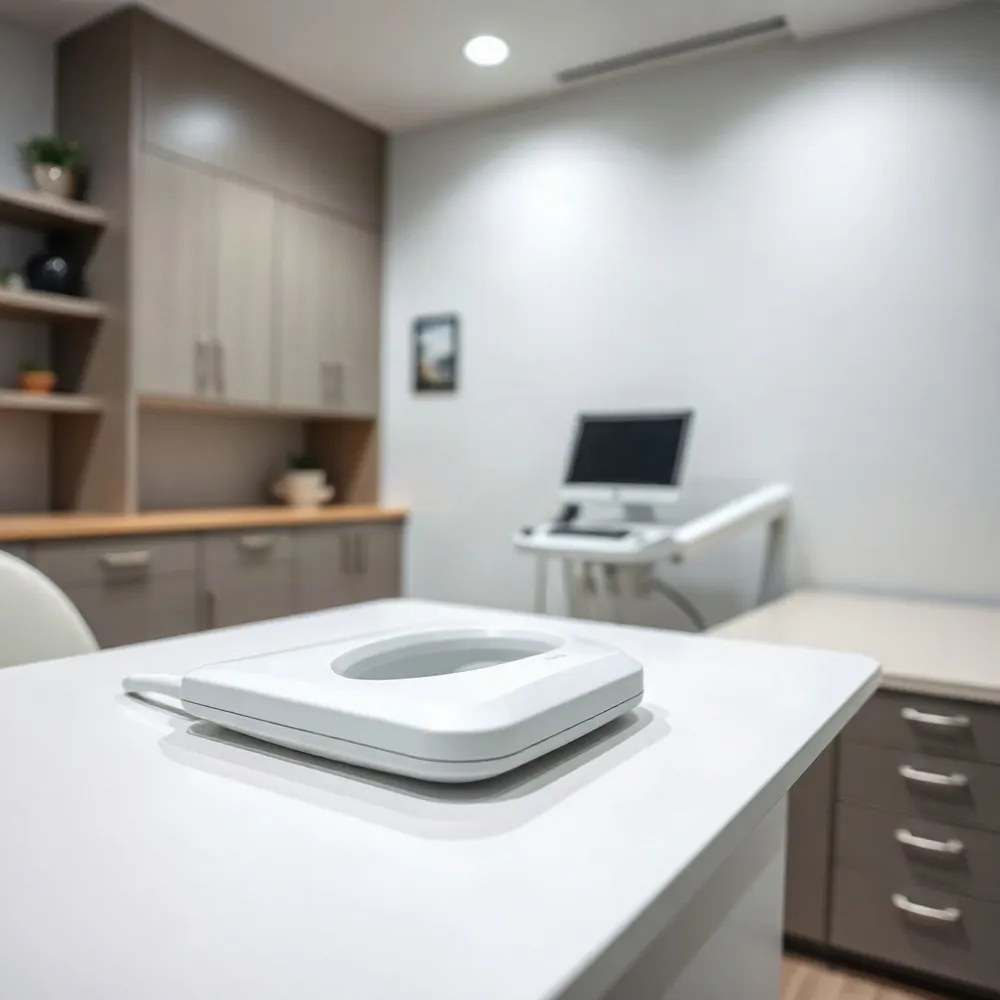 The era of gagging on messy, putty-like impression material is ending. Today's orthodontic practices use handheld intraoral scanners that capture thousands of images per second, assembling a precise, full-color 3D model of your teeth and gums in minutes.
Digital impressions are not only far more comfortable than traditional molds, but they also provide superior accuracy. The instant visualization allows the orthodontist and the patient to see the teeth on screen right away, which improves communication and builds trust from the very first visit.
Those digital models feed directly into 3D printers, which have become a cornerstone of modern orthodontic labs. Appliances like clear aligners, customized brackets, and retainers can now be fabricated in a matter of hours rather than weeks. At Trielle Orthodontics, this integration of digital scanning and in-office or outsourced 3D printing shortens the turnaround time for appliances, reducing chair time and getting treatment started faster.
The shift from traditional plaster molds to digital scanning also unlocks the full potential of computer-aided design (CAD) software. Orthodontists can simulate the entire sequence of tooth movement before any appliance is made, identifying potential roadblocks and planning the most efficient path to the final smile. This pre-treatment simulation reduces the need for mid-course corrections, which historically required emergency appointments and prolonged overall treatment timelines.
| Technology | Traditional Method | Modern Digital Solution | Patient Benefit |
|---|---|---|---|
| Impressions | Plaster or alginate molds | Intraoral 3D scanning | Comfortable, instant, highly accurate |
| Appliance fabrication | Hand-made in a central lab (weeks) | 3D printing (hours to days) | Faster start, fewer delays |
| Treatment planning | Manual assessment of X-rays and models | CAD software with AI simulation | Predictable outcomes, fewer adjustments |
| Appointment rhythm | Visits every 4-6 weeks for wire changes | Aligners changed at home; visits every 8-12 weeks | Fewer office visits, more convenience |
How AI Supercharges Diagnosis and Treatment Planning
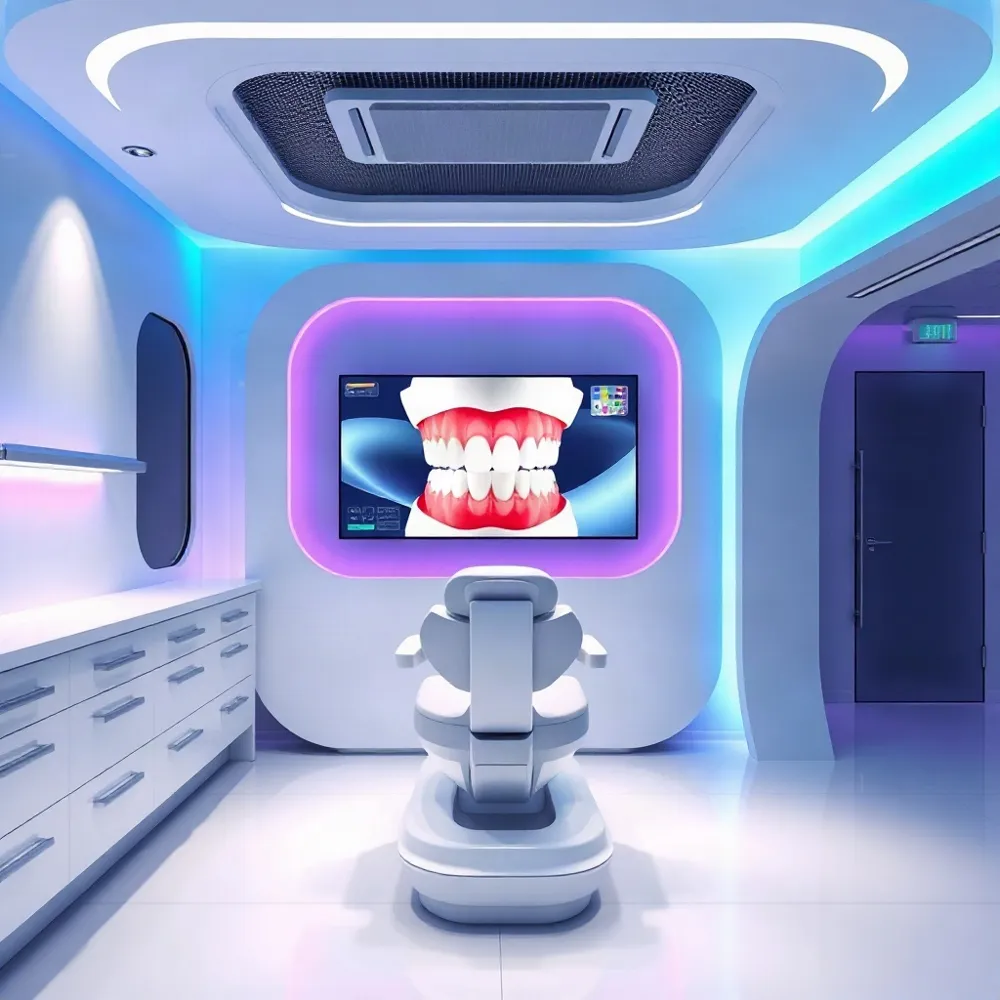 Artificial intelligence is reshaping orthodontic workflows by taking over time-intensive analytical tasks that were once done manually. Algorithms now automate landmark detection, image segmentation, and cephalometric analysis directly from intraoral scans and CBCT data. This eliminates much of the variability between clinicians and dramatically reduces the time needed to produce a diagnostic workup.
On the planning side, AI enables faster and more consistent digital setup simulations. Instead of manually staging each tooth movement, the software can generate multiple treatment scenarios in minutes. Clinicians at Trielle Orthodontics use these tools to compare progress over time, visualize the final outcome before treatment starts, and manage higher case volumes without sacrificing attention to detail.
A growing area of AI application is in predictive modeling for root and bone movement. By analyzing each patient’s unique anatomy, machine-learning models forecast how teeth will shift and whether a proposed movement risks bone loss or root resorption. This safety layer lets orthodontists plan aligner sequences that are both efficient and biologically appropriate, reducing the need for mid-course corrections.
Ultimately, AI functions as a decision-support layer that enhances the orthodontist’s expertise rather than replacing it. The technology handles repetitive computation, freeing the clinician to focus on case-specific nuance, patient communication, and personalized care. The result is a faster, more predictable planning process that still keeps the human judgment at the center of treatment.
Clear Aligners: Comfort, Speed, and Smile Previews
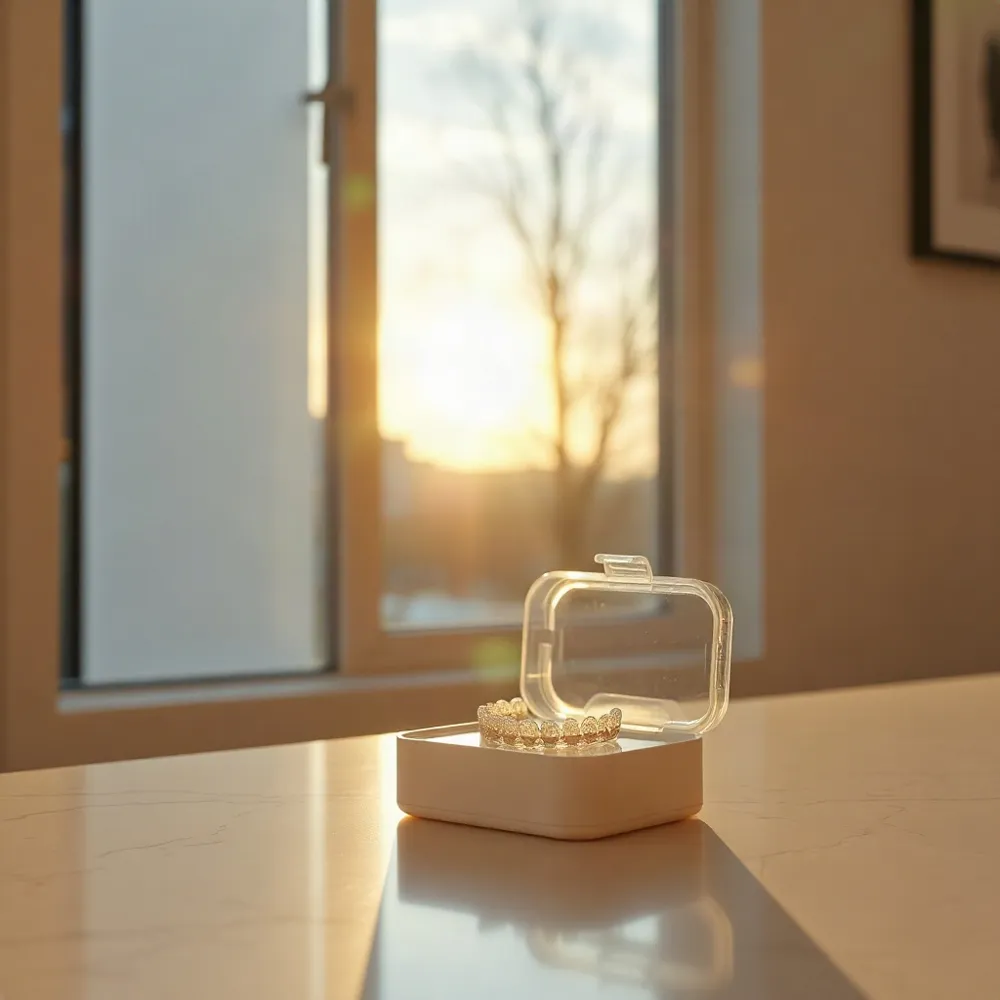
Clear aligners are a prime example of how digital orthodontics has transformed the patient experience. Systems like Invisalign use intraoral scans and CAD-CAM software to fabricate a series of custom, transparent trays that incrementally move teeth into alignment. The treatment is entirely pre-planned in virtual 3D software, allowing the orthodontist to map every stage of tooth movement before the first tray is produced.
Because the aligners are removable, patients can eat normally and brush and floss without the obstacles presented by fixed brackets and wires. Studies confirm that clear aligner therapy is associated with better plaque control and lower rates of white spot lesions compared to traditional braces. For patients, this means less disruption to daily routines and better oral health during treatment.
The digital planning process also reduces in-office visit frequency. While traditional braces typically require checkups every 4-6 weeks, aligner patients often schedule appointments every 10-12 weeks, with many routine checks handled through remote monitoring. A systematic review found that clear aligner treatment can require 67% less total chair time in non-extraction cases compared to fixed appliances.
Seeing the Final Smile Before It Starts
One of the strongest motivators for patients is the ability to see a simulation of their new smile before committing to treatment. The same software that designs the aligner trays generates a step-by-step animation of tooth movement, giving patients a visual preview of the outcome. At Trielle Orthodontics, this digital preview is combined with a free consultation, allowing patients to explore options without an upfront cost barrier.
Invisalign Express for Minor Corrections
For patients with mild crowding, small gaps, or slight relapse after previous orthodontic work, Invisalign Express offers a streamlined solution. This limited series uses the same SmartTrack material as the full Invisalign system but typically requires only 5 to 10 aligner trays. Treatment for these minor corrections is often completed within 3 to 6 months, making it a fast and discreet option for those seeking subtle aesthetic improvements. Because the scope is narrow, it does not address bite issues or complex multi-tooth movements.
| System | Tray Count | Typical Duration | Best For |
|---|---|---|---|
| Invisalign (Full) | 20-40+ | 12-18 months | Moderate crowding, bite correction |
| Invisalign Express | 5-10 | 3-6 months | Minor gaps, slight crowding, relapse |
| Invisalign Teen | 20-40+ | 12-18 months | Adolescents with compliance indicators |
Do Braces or Aligners Win? Choosing Your Path
Both braces and clear aligners are effective, but each has strengths that suit different needs. Braces are fixed, treat nearly all orthodontic problems including severe misalignment, and require no patient compliance on wear time. Clear aligners like Invisalign are virtually invisible, removable for eating and brushing, and are often more comfortable, but require wear at least 20–22 hours daily for success.
Self-ligating brackets such as the Damon system use a built-in clip instead of elastic ties to hold the archwire. This reduces friction, allowing teeth to move freely with gentle forces. Patients often experience greater comfort, and appointments can be spaced further apart because there are no rubber bands to replace.
Braces remain the go-to choice for complex bite issues and severe crowding, where the orthodontist needs full control over tooth movement throughout treatment. Aligners excel for mild to moderate cases, especially when discretion and ease of oral hygiene are top priorities. For example, clear aligner treatment can result in 67% less total treatment time than fixed appliances in non-extraction cases, per a 2019 study.
At Trielle Orthodontics, a personalized evaluation using digital 3D imaging and AI-driven analysis determines which option fits your anatomy and goals. A consultation with a qualified orthodontist is the only reliable way to decide between the two paths.
Accelerated Orthodontics: Faster Results, Fewer Visits
Modern orthodontics offers options to reduce treatment time without compromising results. Using Propel, an orthodontist creates tiny, controlled micro-osteoperforations in the bone around the teeth, a process that takes about 10 to 15 minutes. This triggers the body's natural healing response and allows teeth to move up to 60% faster compared to standard treatment.
For patients at home, devices like the FDA-cleared AcceleDent use high-frequency vibrations for just 20 minutes per day. These gentle micropulses increase cellular activity in the periodontal ligament, which can reduce overall treatment time by up to 50% while also decreasing discomfort after adjustments. The device works with both braces and clear aligners.
Self-Ligating Brackets and Aligner Acceleration
Self-ligating braces use a built-in clip instead of elastic ties to hold the archwire, reducing friction. This allows teeth to move more freely and often extends intervals between appointments to every 8 to 10 weeks rather than the traditional 4 to 6 weeks. When combined with high-frequency vibration, Invisalign patients can sometimes change trays every week instead of every two weeks, potentially completing an 18- to 24-month case in just 9 to 15 months.
Fewer Visits with Remote Monitoring
Remote monitoring tools let patients upload progress photos from a smartphone app for their orthodontist to review, reducing the need for in-person checkups. This technology allows orthodontists to catch tracking errors early and adjust plans without scheduling a chair visit, making the process more convenient for adults with demanding schedules and families managing busy routines.
- Propel micro-osteoperforation can accelerate tooth movement up to 60%
- AcceleDent vibration device can cut treatment time by roughly 50%
- Self-ligating brackets extend appointment intervals to 8–10 weeks
- Remote monitoring via smartphone apps reduces chair visits
Understanding the Cost of Modern Orthodontics
The cost of modern orthodontic treatment varies widely based on case complexity, provider fees, and geographic location. Nationally, Invisalign treatment typically ranges from $3,000 to $8,000, with many patients seeing fees around $5,000 to $7,000 for comprehensive care. For straightforward cosmetic adjustments, fees may start as low as $1,200, while more complex cases requiring longer treatment times can exceed $8,000.
At Trielle Orthodontics in Union, NJ, each patient receives a personalized treatment plan that reflects their unique smile goals. Understanding that orthodontic care is a significant investment, the practice offers flexible payment options that can make monthly payments as low as $58 after insurance. Many dental insurance plans cover clear aligners and braces at comparable levels, and insurance may cover up to $3,000 of orthodontic care.
The cost difference between clear aligners and traditional braces is often negligible for comparable cases. A $4,000 fee for Invisalign falls at the lower end of the typical range, while $6,000 is right within the national average for comprehensive treatment with either braces or aligners. Factors like the use of advanced 3D imaging, digital treatment planning, and accelerated techniques can also influence pricing.
To receive an accurate cost estimate tailored to your specific needs, schedule a consultation at Trielle Orthodontics. The team will review your orthodontic condition, discuss your smile goals, and provide a detailed cost breakdown with financing options that make treatment accessible.
Your Comfort and Convenience at Trielle Orthodontics
Digital dentistry transforms the orthodontic experience through enhanced precision, patient comfort, and streamlined workflows. Unlike traditional methods that relied on uncomfortable plaster molds and manual adjustments, digital tools provide a more accurate and efficient path to a straighter smile.
Intraoral scanners capture a detailed 3D model of your teeth in minutes, replacing the messy and often unpleasant impression process. This digital scan allows for precise diagnosis and treatment planning, enabling orthodontists to simulate tooth movement and predict outcomes before any appliance is created. At Trielle Orthodontics, these same-day digital workflows reduce the number of visits needed and improve communication, as patients can see their treatment simulations and understand each step of the process.
The Value of a Second Opinion
Orthodontic treatment is a significant investment of time and money, and it is essential to gather as much information as possible before deciding. Seeking a second opinion allows patients to explore different treatment options, compare approaches, and potentially find a provider who uses newer technology that can shorten treatment time. This process helps ensure that the chosen plan aligns with personal goals and budget.
Trielle Orthodontics in Union, NJ, encourages patients to seek second opinions as part of their decision-making process. The practice's team of experienced orthodontic professionals takes the time to review each patient's unique situation, explain the available options, and create an individualized treatment plan. This thorough, transparent approach helps patients move forward with confidence.
Personalized Care, Modern Technology
The practice philosophy at Trielle Orthodontics centers on combining personalized care with modern technology. Flexible scheduling, including Monday through Friday hours with additional appointment times available upon request, makes it easier for patients with busy lives to receive the orthodontic care they need. Whether through clear aligners, braces, or combination treatments, each plan is tailored to the individual's needs, supported by the precision of digital tools.
For those ready to take the next step, scheduling a consultation is the first move toward a custom treatment plan. During that visit, a digital scan and personalized discussion will outline the most effective path to a healthier, more confident smile.
Your Smile, Transformed by Technology
Modern orthodontics has moved past clunky metal and messy impressions. Digital scanning, AI-driven planning, and clear aligners now work together to deliver faster results with fewer in-office visits and greater comfort throughout treatment.
At Trielle Orthodontics, these advanced tools are paired with compassionate, individualized care. The result is a treatment experience that is both highly efficient and personally tailored to each patient's needs. The next step is a consultation. Trielle Orthodontics invites you to see what modern technology can do for your smile.