Understanding the Scope of Modern Orthodontic Care
Orthodontics is a clinical specialty focused on the diagnosis, prevention, and correction of misaligned teeth and jaw structures, commonly known as malocclusion. While many patients seek treatment primarily for cosmetic improvements, the benefits extend far beyond a straighter smile. Correcting these dental issues is vital for functional health, as properly aligned teeth support efficient chewing, clearer speech, and reduced strain on the temporomandibular joint.
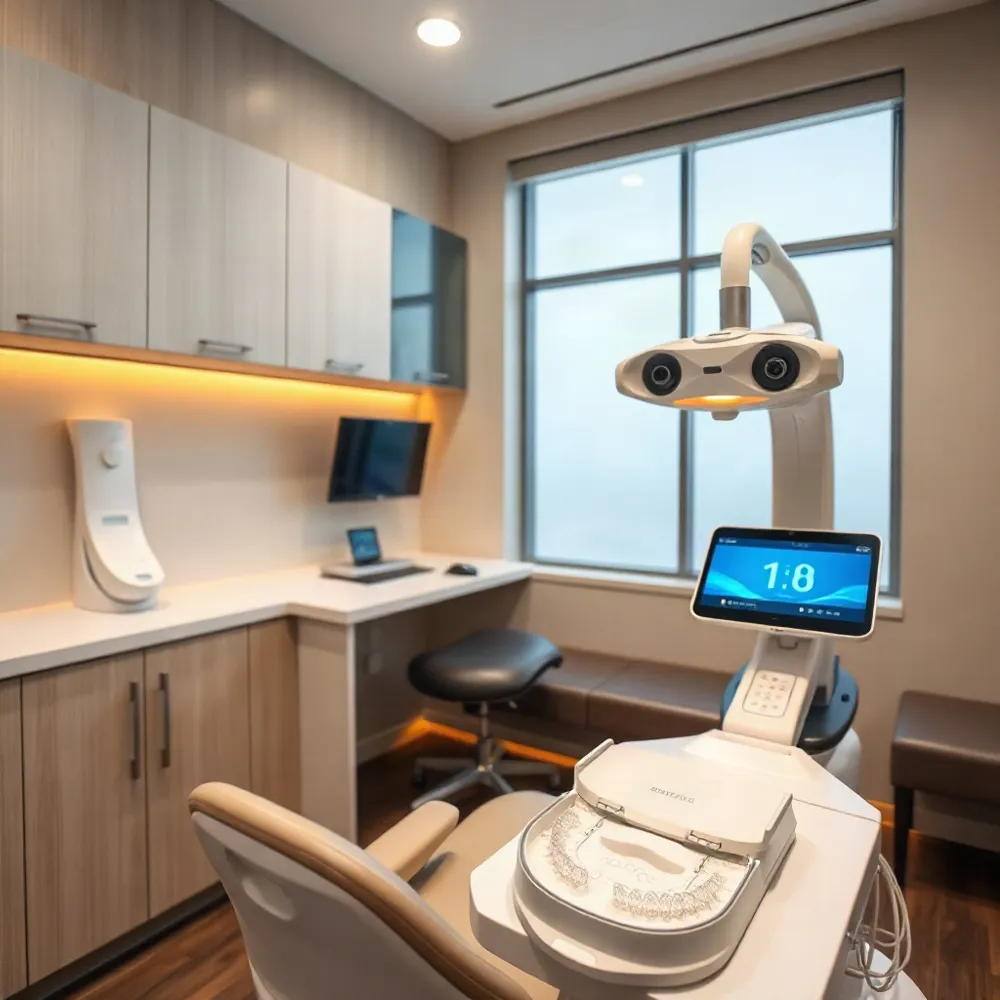
Professional care requires more than just moving teeth into place. At Trielle Orthodontics, we perform an in-depth review of diagnostic materials like digital imaging and clinical histories to ensure each plan addresses the underlying cause of your bite misalignment. This strategy contrasts with standardized, off-the-shelf mail-order aligner kits that often overlook the complex biomechanics of jaw function and bone health.
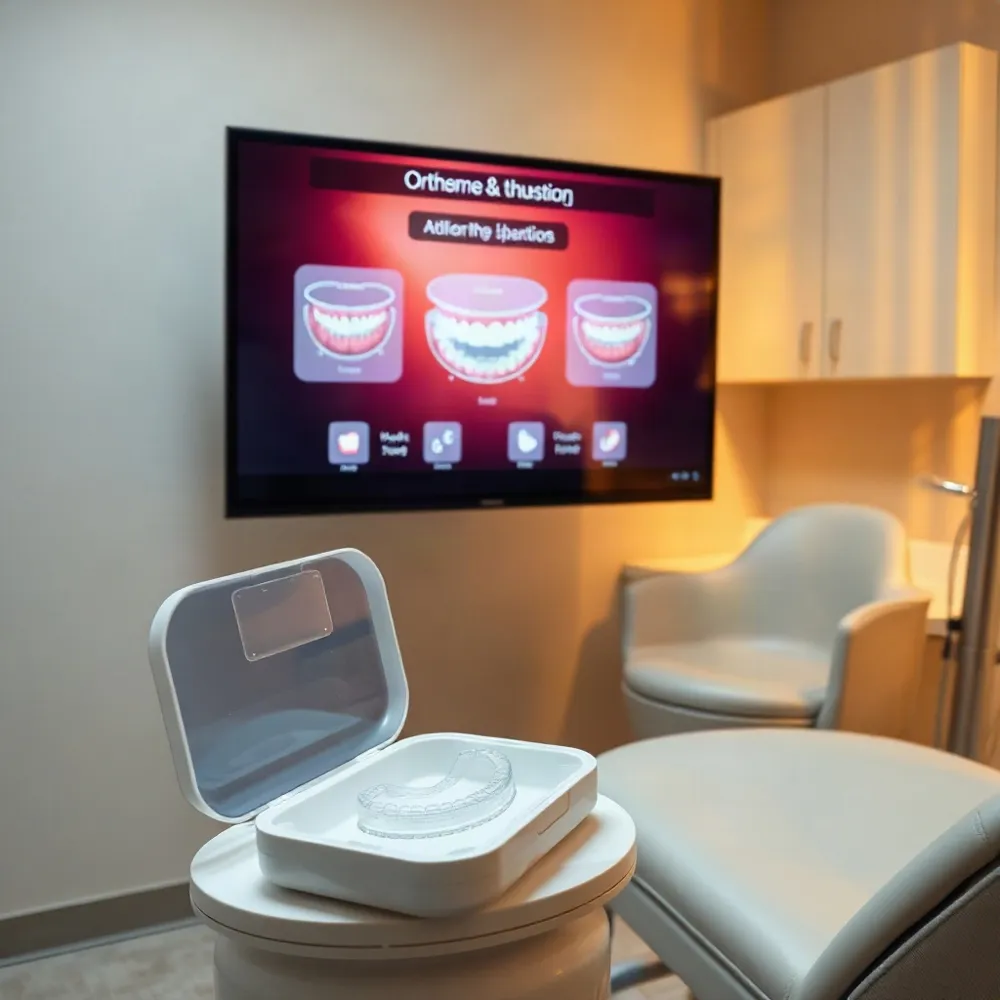
Achieving long-term success involves a commitment to patient-centered care. Whether using traditional braces or discreet alternatives, our priority at Trielle Orthodontics is to provide a customized approach that balances aesthetic goals with necessary functional gains. We work closely with our patients to monitor progress, ensuring that the movement of teeth creates a healthier, more stable environment for your mouth, rather than simply pursuing a rapid aesthetic fix.
The Primary Purpose and Scope of Orthodontic Treatment
The introduction of orthodontic appliances into the mouth often creates a brief adjustment period as the tongue and lips learn to navigate new hardware. It is common for patients to experience temporary, minor speech alterations, typically manifesting as a lisp or slight difficulty with articulating 's' and 'th' sounds Do Braces Change How You Talk?. A 2016 study found that approximately 56% of patients notice this initial change, but these effects are almost always temporary and resolve as muscle memory develops Do Braces Change How You Talk?.
At trielleorthodontics.com, we emphasize that patients can actively facilitate this adaptation. Practicing over-enunciation, reading aloud, and recording yourself are effective ways to identify and correct specific sounds that remain challenging Do Braces Change How You Talk?. While some alternative providers suggest generic methods, true speech progress follows the correction of physical dental barriers.
- Read aloud for several minutes every day to retrain tongue placement.
- Practice sounds known to be tricky such as 's', 'z', and 'th'.
- Maintain consistent wear of your appliances to ensure the mouth adapts to the new structure.
Long-term speech improvement often results from addressing the root cause, such as an open bite or crowding. If a patient experiences persistent issues, a multidisciplinary approach involving both an orthodontist and a speech-language pathologist may be warranted to address both the physical structure and the muscle coordination necessary for clear communication The relationship between malocclusion and speech patterns.
Why Adults Choose Orthodontic Correction
 Many individuals pursue orthodontic correction in adulthood to resolve long-standing functional concerns and aesthetic insecurities. Comprehensive treatment can address misalignment issues that make standard oral hygiene routines difficult. When teeth are crowded or overlapping, reaching every surface with a toothbrush or floss becomes significantly more challenging, which may increase the clinical risk of tooth decay and gum disease, as noted by the American Association of Orthodontists. By properly aligning the dentition, patients find it easier to maintain clean gums and healthy teeth over the long term.
Correcting structural bite issues such as overbites, underbites, and open bites serves both health and aesthetic purposes. These conditions often force the jaw muscles and the temporomandibular joint to work harder, which can lead to chronic discomfort or abnormal enamel wear. While Trielle Orthodontics utilizes modern, low-profile appliances to navigate these complex cases discreetly for adults, some competitors may rely on methods that lack the same precision or customization. Addressing these misalignments early can help prevent the need for more invasive restorative procedures down the road.
Beyond physical health, the psychological impact of a straighter, more balanced smile is profound. Research highlights that orthodontic intervention significantly improves psychological well-being by increasing social confidence and fostering a positive self-perception, according to a recent PMC journal study. Patients often report reduced anxiety in professional and social settings once they no longer feel self-conscious about their bite or tooth appearance. Whether through traditional appliances or newer alternatives, the process helps create facial harmony and a more defined profile, serving as a meaningful investment in one’s overall identity and systemic wellness.
Timeline and Expectations for Orthodontic Success
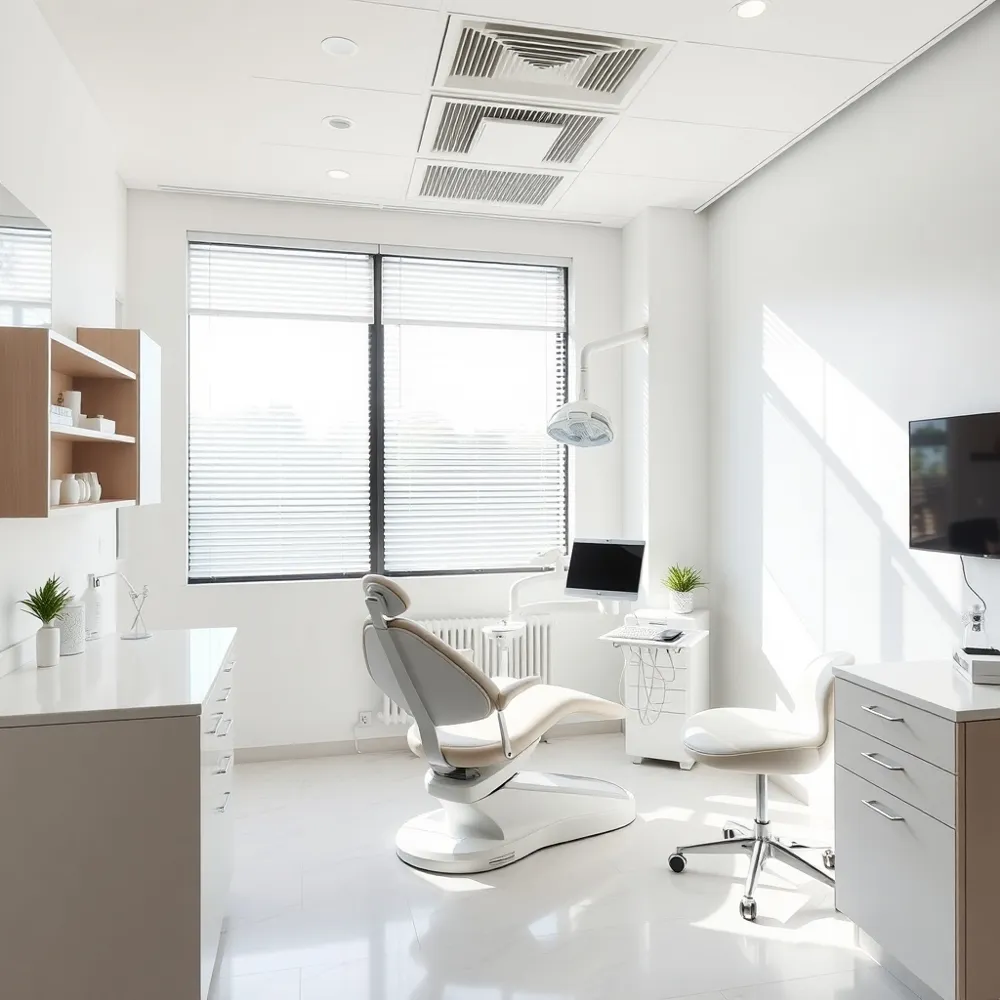 How long does the average orthodontic treatment, such as wearing braces, take? While the average orthodontic treatment typically lasts between 18 and 24 months, individual timelines can range from 6 months for minor corrections to over 36 months for more complex cases. Several factors influence this duration, including the severity of your initial alignment, the specific type of appliance used, and your age, as adult bone density can require more time for tooth movement. Furthermore, your consistent adherence to treatment protocols, such as wearing aligners for the recommended 22 hours per day or attending all scheduled adjustments, is essential for staying on track. Poor oral hygiene and failure to follow instructions can lead to setbacks, potentially extending the total time needed. Ultimately, Trielle Orthodontics will provide a personalized treatment plan during your consultation to establish a more accurate timeline based on your unique needs.
Successful long-term results often require consistent retainer wear post-treatment to prevent relapse. When choosing between clear aligners vs. traditional braces, keep in mind that patient compliance remains the most significant variable in achieving your desired outcome. While some practices simply provide standard hardware, our team at Trielle Orthodontics focuses on adult bite alignment using methods designed to fit into a professional lifestyle while ensuring the biological integrity of your jaw is maintained throughout the process.
Managing Speech Adaptation During Treatment
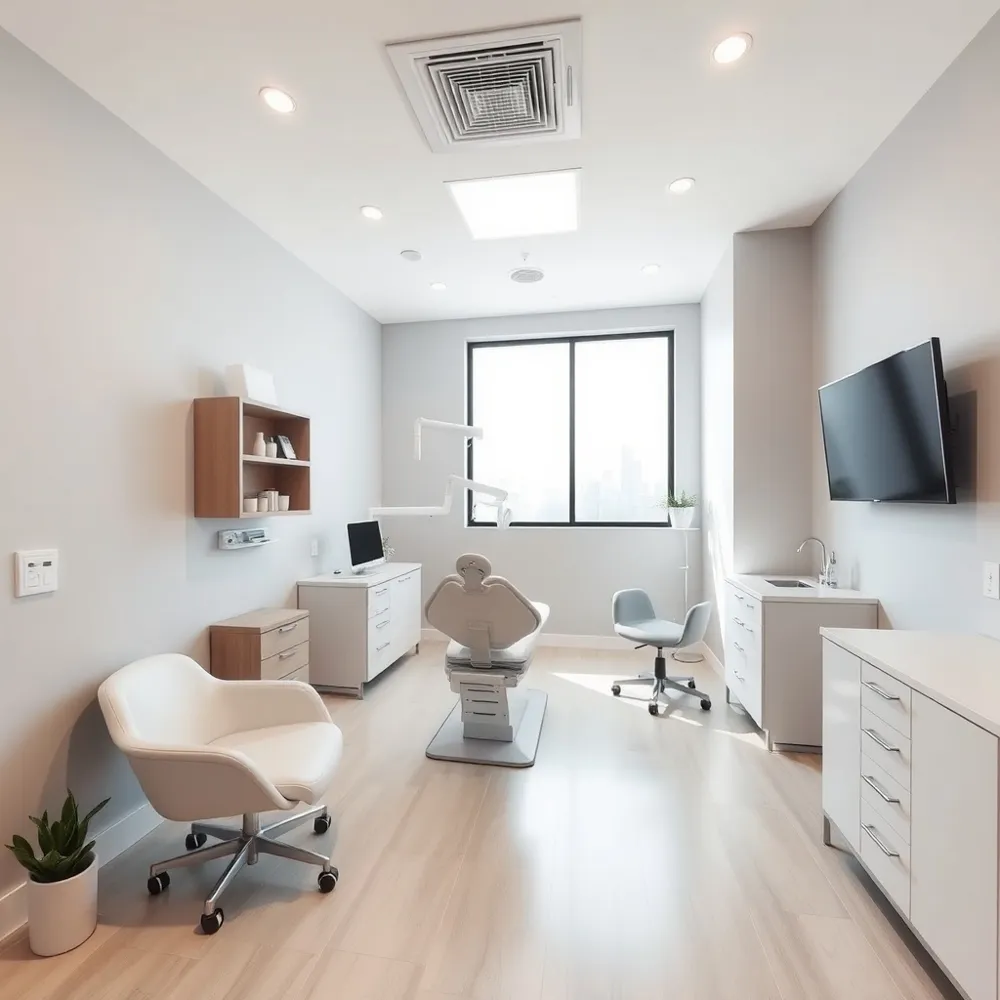 The introduction of orthodontic hardware into the mouth environment requires a brief period of adjustment as the tongue and lips learn to navigate new surfaces. Because normal articulation relies on precise coordination between your teeth, tongue, and airflow, any change in these structures can temporarily affect how you sound. Do Braces Change How You Talk? reports that approximately 56% of patients experience some level of speech alteration after receiving appliances, most commonly involving slight lisps or difficulty with 's,' 'z,' 'sh,' and 'ch' sounds.
At trielleorthodontics.com, we emphasize that these speech changes are rarely permanent. Whether you are using traditional braces or discreet clear aligners, your mouth will naturally develop new muscle memory to accommodate the appliance. This adaptation usually takes only a few days to two weeks.
Tips to accelerate your adaptation
- Practice reading text aloud to strengthen your muscle memory for specific consonant sounds.
- Record your voice to identify which words deserve extra focus during your practice sessions.
- Prioritize consistent wear of your appliances, as removing them frequently prevents your tongue from fully adjusting to the hardware.
- Use over-enunciation during daily conversation to help your mouth master new positions more quickly.
The Relationship Between Orthodontics and Jaw Health
The temporomandibular joint, or TMJ, acts as the hinge connecting your jawbone to your skull. When malocclusion occurs, your bite may become imbalanced, leading to excessive muscle strain and joint stress. At Trielle Orthodontics, we utilize advanced digital diagnostics to determine if your specific bite misalignment is the primary source of muscular or joint tension.
Can orthodontic treatment cause or alleviate TMJ disorder symptoms? Orthodontic treatment does not cause TMJ disorders, as extensive scientific research has debunked past claims linking the two. Instead, orthodontics often serves as an effective way to alleviate symptoms when a misaligned bite or jaw strain is the underlying cause. By utilizing braces or clear aligners, we can redistribute pressure along the jaw joints and shift teeth into proper alignment to reduce mechanical stress. While some patients may experience temporary discomfort during the initial adjustment phase of treatment, the long-term goal is to resolve clicking, pain, and limited jaw mobility. Because the success of treatment depends on identifying the specific cause of your symptoms, a professional evaluation at Trielle Orthodontics is essential to develop a personalized care plan.
Symptoms such as popping, clicking, or persistent dull aches often indicate that the jaw is not resting in a neutral position. While a 2023 systematic review highlights that TMJ conditions are multifactorial, including factors like hormonal levels and stress, consistent monitoring is vital. At Trielle Orthodontics, we emphasize a thorough clinical evaluation before treatment begins to ensure that the chosen approach addresses your unique jaw health needs rather than exacerbating them.
Addressing Persistent TMJ Discomfort
If you experience persistent TMJ-related discomfort during or following orthodontic treatment, it is essential to consult with your provider for an evaluation. These temporomandibular disorders are often multifactorial, meaning they are influenced by factors ranging from genetics and jaw trauma to muscle stress and individual bite alignment.
How can TMJ disorder be managed or treated if it persists after orthodontic work?
At trielleorthodontics.com, our approach prioritizes precise diagnostic evaluation to determine the source of your joint strain. When discomfort lingers, professionals may utilize custom-made splints or night guards to stabilize the jaw joint, reduce muscle tension, and prevent damage from nighttime grinding. Occlusal adjustment, which involves the careful reshaping of tooth surfaces, can sometimes be performed to ensure a more balanced bite and relieve pressure on the joint. For acute inflammation or muscle soreness, your care plan might integrate physical therapy, specific jaw exercises, or anti-inflammatory medications. Because these conditions are complex, providers often recommend a comprehensive approach that addresses stress management and lifestyle habits to support long-term relief.
| Strategy | Primary Goal | Clinical Application |
|---|---|---|
| Night guards | Stability | Reduces grinding and clenching tension. |
| Occlusal adjustment | Balance | Reshapes surfaces for improved bite contact. |
| Physical therapy | Mobility | Targets muscle soreness and joint flexibility. |
Investing in Your Long-Term Oral Health
Prioritizing orthodontic care provides far-reaching advantages that extend well beyond the aesthetic value of a straight smile. By systematically correcting malocclusion, patients can resolve functional speech impediments caused by misaligned teeth, improving clarity and confidence in daily communication. Furthermore, aligning the bite helps distribute jaw forces evenly, which is essential for relieving chronic muscle strain and reducing the risk of long-term joint discomfort.
At Trielle Orthodontics, we emphasize a data-driven approach to treatment through thorough diagnostic imaging and personalized bite analysis. While other providers may offer one-size-fits-all solutions, our team assesses your unique dental and structural needs to ensure effective, comfortable outcomes. We invite you to book a consultation today to understand how a tailored orthodontic treatment plan can protect your oral health for years to come.