The Evolution of Orthodontic Smile Assessment
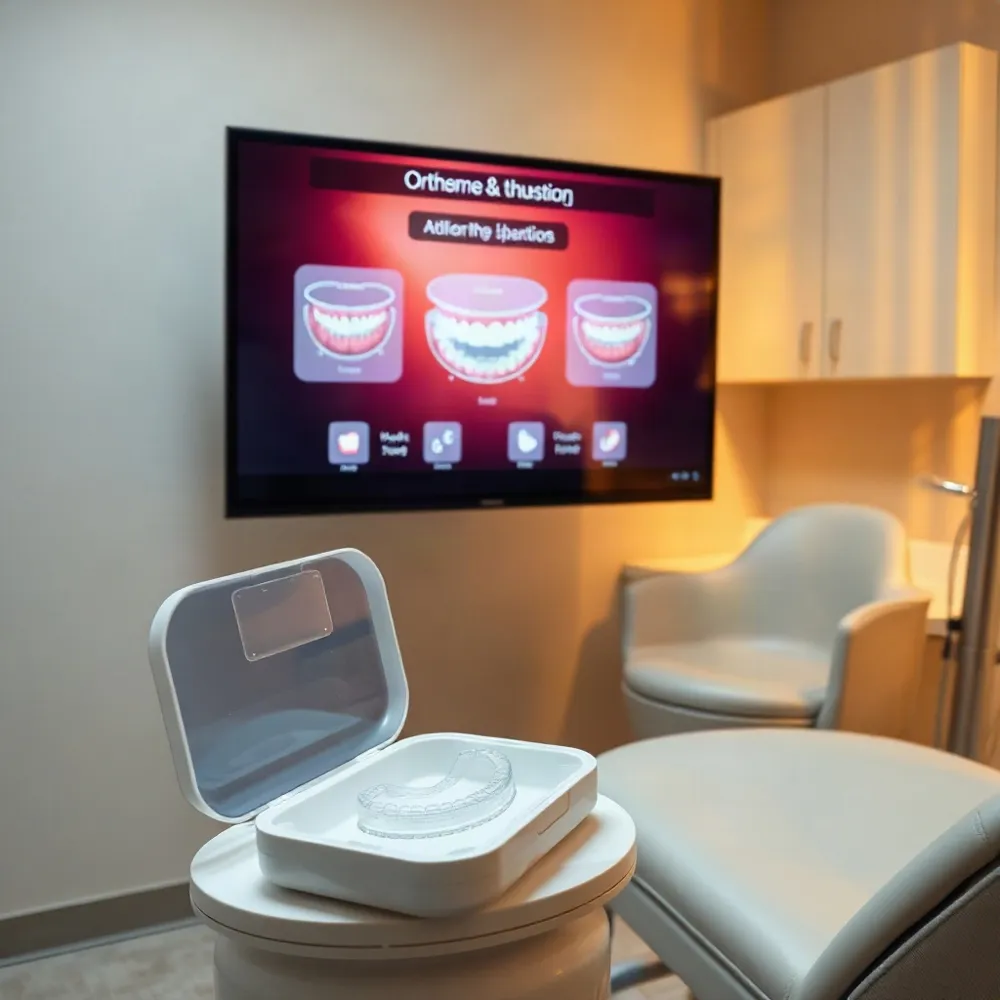
Modern orthodontics has shifted away from traditional plaster molds, embracing digital workflows that offer superior accuracy and comfort. At Trielle Orthodontics, we utilize 3D scanning technology to capture precise digital impressions, eliminating the need for uncomfortable physical impressions. While systems like 3Shape or Planmeca Romexis are common in the industry, our practice focuses on integrating these tools to provide a data-driven, comfortable experience for every patient.
Precision assessment is the cornerstone of clinical success. By moving beyond static models to advanced Digital Smile Design platforms, clinicians can now analyze skeletal structures and facial harmony with incredible detail. This level of scrutiny allows us to identify subtle malocclusions that might be missed in standard exams. As noted in research, a harmonious smile arc is essential to aesthetic satisfaction, and digital blueprints help ensure our treatment goals match the patient's natural features.
Advanced software now allows for high-fidelity simulations that demonstrate potential outcomes before treatment begins. By providing this visual clarity, we help patients establish realistic expectations, which is a vital part of the consultation process at trielleorthodontics.com. Whether utilizing automated cephalometric tracing or AI-driven predictive planning, these technologies increase treatment predictability and provide a clear roadmap for achieving a functional, balanced smile.
Advanced Modern Orthodontic Diagnostic and Planning Tools
- Digital Smile Design uses high-quality photography and software to create a visual roadmap of orthodontic treatment.
- Intraoral scanners provide real-time 3D images, replacing uncomfortable, less accurate traditional putty molds.
- Cone Beam Computed Tomography (CBCT) delivers 3D skeletal imaging while utilizing lower radiation doses than older CT scans.
- Automated digital cephalometric analysis identifies anatomical landmarks in seconds, significantly reducing the potential for human error.
- 3D facial scanners capture facial topography with millimeter-level precision to monitor soft tissue changes and symmetry.
- T-scan technology digitally maps bite forces to ensure uniform pressure distribution and long-term occlusal stability.
- AI-driven platforms perform automated tooth segmentation and collision detection to increase the predictability of treatment outcomes.
- Stereophotogrammetry eliminates motion distortion during 3D facial imaging, making it ideal for pediatric orthodontic patients.
- Remote monitoring platforms like DentalMonitoring allow clinicians to track aligner fit and progress between in-person appointments.
- The Ten Commandments of smile aesthetics serve as a standardized framework for evaluating balance, harmony, and gingival display.
1. Digital Smile Design and Advanced Simulation Software
 Digital Smile Design (DSD) serves as an advanced conceptual tool that utilizes high-quality digital photography, videos, and specialized software to create a comprehensive, visual roadmap for your orthodontic treatment. By analyzing your unique facial features and dental structure, this approach allows the team at trielleorthodontics.com to plan your movement with remarkable precision, down to the exact shape and size of each tooth. Unlike static models of the past, this technology significantly benefits patients by providing a clear, accurate preview of their potential aesthetic results before any work begins, fostering greater confidence in the process.
What is Digital Smile Design and how does it benefit patients?
This technology improves communication between you and your orthodontist, ensuring that your personalized treatment plan is perfectly aligned with your functional and cosmetic goals. Per a 2023 scoping review, these digital systems enhance diagnostic vision and treatment predictability by accounting for soft tissue animation and skeletal characteristics. By prioritizing individual patient goals, trielleorthodontics.com creates custom outcomes that complement your natural facial features. Ultimately, this approach enhances the consistency and predictability of your care, helping to mitigate unforeseen complications while achieving a more natural and beautiful smile.
2. Intraoral Scanners for High Precision 3D Modeling
 Modern orthodontics has largely replaced uncomfortable, traditional putty molds with high-precision intraoral scanners. These devices capture real-time 3D images of your dental arches, providing clinicians at Trielle Orthodontics with accurate digital models that far exceed the detail of manual impressions. By using these scanners to generate virtual replicas, the practice avoids the common distortions associated with physical casting materials.
These digital impressions integrate seamlessly with comprehensive treatment planning software, such as those used for clear aligner therapy, allowing for the precise simulation of tooth movement. While some traditional offices still rely on stone models, this digital workflow supports more predictable outcomes and a significantly improved patient experience during the initial assessment. As noted in a Benco Dental review, capturing these scans eliminates the need for messy trays and physical storage, creating a more efficient and comfortable journey for every patient.
3. Cone Beam Computed Tomography for Skeletal Analysis
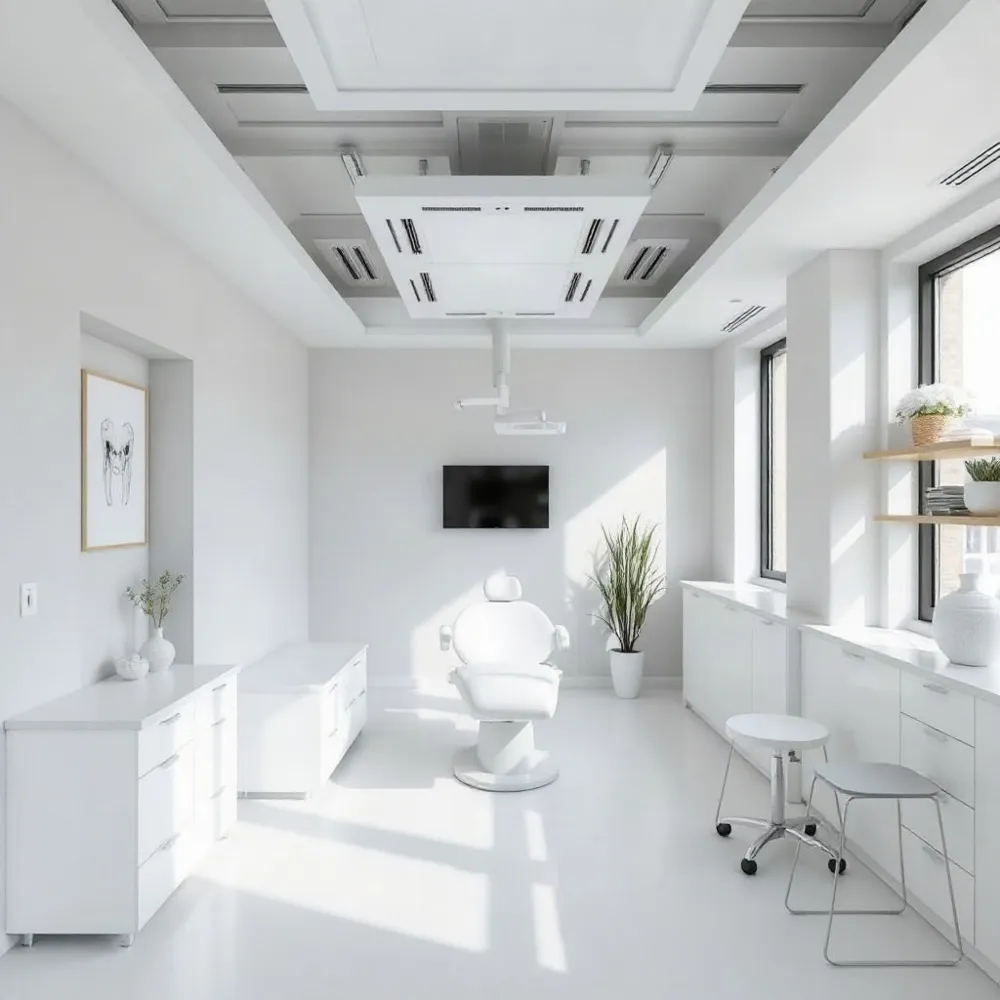 Modern orthodontic diagnostics prioritize deep anatomical insight beyond what traditional 2D imaging can provide. Cone Beam Computed Tomography (CBCT) delivers high-quality 3D imaging, which allows practitioners to examine bone levels, root development, and skeletal structures with precision. This technology is particularly valuable for identifying impacted teeth and assessing complex airway issues, ensuring that the treatment plan accounts for functional health alongside aesthetic alignment.
At Trielle Orthodontics, we emphasize diagnostic clarity to ensure every treatment is built on an accurate foundation. While traditional CT scans often raised concerns regarding patient exposure, contemporary CBCT systems provide these detailed views using significantly lower radiation doses. By integrating 3D skeletal data with digital impressions, we can offer more predictable results compared to practices relying solely on standard radiographs, ultimately helping patients achieve a stable, healthy bite.
4. Automated Digital Cephalometric Analysis
Moving beyond two-dimensional film, modern practices now rely on Digital Cephalometric Analysis to interpret craniofacial morphology with high precision. This transition from manual film-based tracing to automated software allows clinicians to identify anatomical landmarks in seconds, significantly reducing the potential for human error in diagnostic measurements.
By digitizing the process, software can perform complex skeletal and dental analyses near-instantaneously. At Trielle Orthodontics, this automated approach integrates seamlessly with our broader diagnostic suite, ensuring that every treatment plan is grounded in exact skeletal data rather than subjective manual estimates. While competitors may still rely on slower, traditional manual tracing methods, our use of digital platforms ensures a more efficient and accurate assessment of your jaw alignment.
Efficiency in treatment planning is further bolstered by the ability to store and share these records digitally, which supports better coordination between your dental team and specialists. Similar to the comprehensive Smile Assessment we offer at Trielle Orthodontics, digital cephalometry helps identify subtle skeletal irregularities early, allowing for a more predictable and tailored orthodontic journey.
3D Facial Scanners for Symmetry and Balance
Modern orthodontic diagnostics now incorporate 3D Facial Scanners to capture the topography of the face with millimeter-level precision. Unlike traditional 2D photographs, these systems provide a high-fidelity spatial map that assists in analyzing soft tissue animation during natural movement Recent Advanced Diagnostic Aids in Orthodontics. By visualizing the relationship between skeletal landmarks and facial skin, practitioners can more effectively plan treatments that harmonize with a patient's natural features.
At trielleorthodontics.com, we prioritize these advanced diagnostic technologies to assess facial growth patterns and baseline symmetry. While some older clinics still rely solely on 2D profile imaging, our integration of 3D topographic data allows us to monitor subtle developmental changes over time. This approach ensures that orthodontic outcomes support both functional bite stability and aesthetic facial balance.
Key advantages of incorporating 3D facial imaging into your treatment plan include:
- Enhanced symmetry assessment by measuring deviation from the midline in three dimensions.
- Accurate monitoring of soft tissue response to skeletal and dental realignments.
- Increased patient engagement through realistic simulations of how treatment might alter facial harmony.
6. T-scan Technology for Occlusal Monitoring
Achieving a balanced bite requires more than just visual alignment, as subtle discrepancies in how teeth meet can impact long-term oral health. T-scan technology provides a high-resolution, digital method for documenting bite forces, allowing orthodontists to identify areas of excessive pressure that traditional methods might miss.
At Trielle Orthodontics, we integrate such diagnostic tools to ensure that force distribution is uniform across the dental arch. By mapping these contact points, we can precisely redistribute pressure, which is essential for ensuring long-term functional stability and protecting restorative work from premature wear. While some practices rely on subjective assessments of occlusion, our focus on objective data helps us tailor treatment plans that prevent common complications associated with occlusal trauma.
7. AI-Driven Predictive Planning Software
Artificial intelligence has fundamentally changed how orthodontists approach complex cases, moving beyond manual estimation to data-driven precision. At Trielle Orthodontics, we use advanced platforms to map tooth movement with high predictability, ensuring every stage of the process is calculated for efficiency. Unlike conventional methods that rely on static models, AI-powered systems provide dynamic insights that help identify potential hurdles before treatment begins.
These diagnostic tools perform automated tooth segmentation, which isolates individual dental structures from complex 3D scans to allow for focused movement planning. This level of granularity enables real-time collision detection, preventing problematic tooth contact during the simulation phase. While older software may lack this level of automated interference monitoring, modern systems like the SoftSmile VISION platform leverage machine learning to streamline these workflows, often reducing processing times to under 10 minutes.
Predictability of movement outcomes is the most significant benefit of these technologies, as they allow clinicians to visualize the trajectory of each tooth with mathematical accuracy. By integrating these AI-driven workflows, Trielle Orthodontics achieves greater control over the final position, reducing the need for mid-course corrections that can occur with less sophisticated planning tools.
8. Digital Photogrammetry for Aesthetic Smile Blueprinting
Modern orthodontic planning has advanced significantly with the integration of Stereophotogrammetry, an imaging technique that captures three-dimensional facial topography in just milliseconds. Because this method operates so rapidly, it effectively eliminates motion distortion, making it a reliable solution for pediatric patients who may struggle to sit still during traditional imaging sessions Recent Advanced Diagnostic Aids in Orthodontics.
By mapping the face in three dimensions, clinicians can utilize precise Golden Ratio measurements to analyze facial harmony and symmetry. This data allows for the creation of an aesthetic blueprint that ensures tooth positioning complements the patient’s natural facial features rather than just correcting alignment in isolation. At Trielle Orthodontics, we use these detailed facial records alongside digital smile design to craft personalized treatment plans on trielleorthodontics.com that prioritize both function and facial aesthetics.
While other practices might rely on static 2D snapshots, our reliance on advanced photogrammetry allows us to visualize how a new smile interacts with the surrounding soft tissue. This comprehensive approach helps bridge the gap between simple tooth movement and a truly balanced, lasting result.
9. Remote Monitoring Platforms for Ongoing Progress
Modern orthodontic care extends beyond the clinic with platforms like DentalMonitoring, which has received FDA De Novo clearance to track clinical indicators such as aligner fit, bracket integrity, and tooth movement irregularities. By utilizing patient-captured images via smartphone, these systems provide a continuous stream of data that allows orthodontists to oversee progress between scheduled visits.
Trielle Orthodontics leverages these digital tools to ensure that every patient journey remains on track, minimizing the need for in-person adjustments. Unlike traditional manual follow-ups that rely on periodic appointments, remote monitoring facilitates real-time data transmission, helping to detect potential issues before they become significant complications. This proactive approach mirrors the efficiency found in other automated diagnostic systems, such as CephX AI, which similarly digitizes landmark detection to increase diagnostic reliability.
Using these remote platforms also helps reduce overall chair time and minimizes the risk of clinical errors by providing clear, visual evidence of treatment movement. This level of continuous oversight ensures that tooth alignment progresses as planned, offering both the patient and the clinician greater confidence in the treatment timeline.
10. Standardized Aesthetic Guidelines for Smile Evaluation
Achieving a balanced smile involves more than correcting malocclusion, as modern diagnostics require a shift toward holistic facial harmony. To maintain consistency and predictability in results, clinicians rely on structured protocols like the Ten Commandments of Smile Esthetics. These guidelines provide a standardized framework for evaluating essential aesthetic markers, ensuring that every treatment plan targets both structural integrity and visual beauty.
What are the 'Ten Commandments' of smile aesthetics in orthodontics?
The Ten Commandments of smile aesthetics serve as a comprehensive clinical protocol for evaluating and enhancing a patient's smile through evidence-based parameters. These guidelines include assessing the smile arc, buccal corridors, and the amount of gingival display to ensure balance and harmony. The framework also emphasizes critical dental details such as the midline alignment, the presence of gingival and incisal symmetry, and the specific form of incisal embrasures. Additionally, the protocol evaluates the proportions of the maxillary incisors and the color of the teeth to achieve an optimal aesthetic result. At Trielle Orthodontics, we utilize these principles to create personalized treatment plans that prioritize both functional alignment and a scientifically balanced, beautiful smile.
Beyond these foundational guidelines, current research highlights that a harmonious smile arc relationship and reduced gingival display are strongly linked to perceived attractiveness, as noted in a recent scoping review. Orthodontists often compare these aesthetic benchmarks against functional requirements, such as jaw bite alignment, to ensure long-term oral health. By synthesizing these standardized measurements with the patient's unique facial characteristics, our team at trielleorthodontics.com develops a comprehensive strategy that balances aesthetic goals with necessary clinical correction.
Essential Orthodontic Diagnostic and Clinical Tools
Orthodontists rely on a refined set of high-precision instruments to manage both the diagnostic and corrective phases of patient care. During clinical examinations and the placement of appliances, practitioners utilize fundamental tools like dental mirrors and cheek retractors for visualization. For the placement phase, specialized equipment including bracket positioning tweezers, Mathieu ligature pliers, and various orthodontic pliers are used to manipulate components with exact force. Distal end cutters and pin cutters are necessary for the safe, precise trimming of wires, while instruments like band pushers and bite sticks facilitate the secure contouring of bands. Once treatment concludes, adhesive-removing pliers and posterior band removers allow for efficient appliance removal and enamel cleaning.
What tools do orthodontists use during treatment?
The evolution of the modern orthodontic workflow marks a transition away from traditional, bulky plaster models toward high-speed digital systems. This integration of technology enhances both predictability and diagnostic accuracy. Orthodontic practices like Trielle Orthodontics utilize these digital ecosystems to create a seamless journey for their patients, moving from 3D intraoral scanning to custom appliance fabrication with minimal error. By replacing analog impressions, clinicians gain immediate access to high-fidelity virtual models, which serve as the foundation for complex Digital Treatment Planning.
What are the latest technological trends in orthodontic diagnosis and treatment planning?
Artificial intelligence is currently reshaping diagnostic benchmarks, offering clinicians tools that achieve high accuracy in detecting craniofacial and dental abnormalities. AI-driven predictive analytics now allow orthodontists to forecast potential treatment outcomes with higher reliability, which significantly reduces the need for mid-course corrections. At Trielle Orthodontics, these technologies enable a more personalized approach, allowing the team to tailor every plan based on precise digital data rather than estimation. These advancements, combined with 3D printing and remote monitoring, ensure that care remains efficient and highly predictable throughout the entire treatment duration.
Prioritizing Precision in Your Orthodontic Journey
Modern orthodontic care has evolved from generic treatment models into a precise, data-driven discipline. By integrating technologies like high-resolution 3D facial scanning and digital cephalometric analysis, clinicians can now visualize and address unique anatomical requirements with greater accuracy. This technological shift ensures that each phase of treatment, from initial alignment to long-term stabilization, remains aligned with an individual's specific biological and aesthetic goals.
At Trielle Orthodontics, we prioritize this level of clinical exactness to deliver outcomes that emphasize both functional health and facial harmony. Whether you are considering clear aligners or traditional appliances, our practice leverages advanced diagnostic tools to craft a personalized roadmap tailored to your distinct facial structure. We believe that a comprehensive smile assessment is the most vital step in identifying hidden irregularities before they impact your long-term oral well-being.
Achieving your ideal smile requires a proactive approach and professional expertise. We invite you to visit trielleorthodontics.com to book a consultation and discuss how a customized, digital-first treatment plan can transform your orthodontic experience.