The Hidden Importance of How Your Teeth Meet
When most people picture an ideal smile, they imagine a row of perfectly straight, white teeth. But an orthodontist evaluates something far more important than how your smile appears in the mirror: how your teeth actually meet when you bite down. Your bite, or occlusion, is the functional relationship between your upper and lower teeth, and it directly affects your ability to chew, speak, and protect your jaw joints over time.
Straight teeth and a healthy bite are not the same thing. You can have front teeth that look perfectly aligned while your back teeth fail to meet properly, or your smile can appear straight while your bite places uneven pressure on certain teeth. This is why your orthodontist checks your bite alignment far more carefully than the way your smile photographs, and why function matters so much more than appearance.
Why an Aligned Bite Matters More Than Straight Teeth
An aligned bite does more than help you chew food efficiently. When your upper and lower teeth meet correctly, they distribute the force of your bite evenly across all of your teeth. This prevents individual teeth from bearing too much load, which can lead to premature wear, enamel erosion, and even cracked or chipped teeth. A properly aligned bite also reduces strain on your jaw joints, or the temporomandibular joints, which are among the most complex joints in your body.
When your bite is misaligned, often called a malocclusion, the effects ripple far beyond your mouth. You might experience chronic headaches, jaw pain, neck and shoulder tension, or even difficulty with speaking and chewing. Over time, a bad bite can contribute to more serious issues like temporomandibular joint disorders (TMJ/TMD), which can cause clicking, popping, lockjaw, and pain that radiates into your ears and face. The effects of a bad bite are not just cosmetic; they can have a genuine impact on your overall health and daily comfort.
Types of Bite Misalignment
Malocclusions come in several forms, each with its own set of challenges. Understanding these conditions is the first step toward recognizing why a professional evaluation is essential.
Overbite. An overbite is when your upper front teeth overlap your lower front teeth significantly. A slight overlap is normal, but a deep overbite can cause your lower front teeth to bite into the gum tissue behind your upper teeth, leading to gum irritation, gum disease, and excessive tooth wear.
Underbite. An underbite is the opposite, where your lower teeth extend in front of your upper teeth. This can make it difficult to chew and speak properly, and it places significant stress on your jaw joints.
Crossbite. A crossbite occurs when some lower teeth sit outside the upper teeth when you bite down. This can cause the jaw to shift to one side, leading to uneven jaw growth and muscle strain.
Open bite. An open bite is a condition where your upper and lower front teeth do not overlap at all when you bite down, leaving a gap. This makes it difficult to bite into food, and it can also lead to speech issues. Treating an open bite early is important because it often becomes harder to correct with age.
Each of these conditions affects your bite function in a distinct way, and they rarely correct themselves. In fact, untreated bite problems tend to worsen over time, causing more damage and more complex treatment later. That slow progression is one of the biggest reasons your orthodontist emphasizes early intervention. Addressing bite issues early, particularly in children ages 7–10, guides jaw growth and gives developing teeth the space they need.
The All-American Danger: Why Even “Straight” Teeth Can Be a Problem
Consider a common trap: a person looks in the mirror, sees mostly straight front teeth, and never visits an orthodontist. Meanwhile, their back teeth don't touch properly, or their jaw is slightly shifted to one side. Over the years, they develop gum recession from an uneven bite, or their teeth sustain abnormal wear from grinding that their misaligned bite triggers. Straightening teeth for appearance only treats the visible surface; it does nothing to fix the underlying bite.
That's why Trielle Orthodontics in Union, NJ, starts every treatment plan by asking a question most patients aren't expecting: "How do your teeth meet?" A comprehensive evaluation looks at the full picture: your facial profile, jaw alignment, bite pressure, and how your teeth wear over time. Then they build a treatment plan around those functional goals, not just cosmetics.
Why Trielle Orthodontics Puts Bite First
At Trielle Orthodontics, treatment begins with a detailed assessment of your bite, not just a 3D scan of your teeth. The practice designs personalized orthodontic treatment plans that address the root cause of your misalignment, whether that means correcting a deep bite that is wearing down your enamel or closing an open bite to improve your ability to chew. They take the time to explain how each step of your treatment, whether it's clear aligners or traditional braces, helps you achieve a healthy bite, not just straight teeth.
This focus on function also means that treatment is planned around your long-term health. A properly aligned bite reduces the risk of chipped teeth, gum disease, and jaw pain down the road. It also improves your ability to clean your teeth, which leads to better gum health and fresher breath. Whether you're a busy professional looking for flexible appointment times, or a parent seeking early intervention for your child, Trielle's approach is tailored to your unique anatomy and your lifestyle.
| Aspect | Straight Teeth Only | Healthy Bite (Trielle's Goal) |
|---|---|---|
| Focus | Appearance of the front teeth | Full bite function and occlusion |
| Chewing | May not improve function | Balanced force across all teeth |
| Jaw Health | Doesn't address jaw joints | Reduces TMJ strain and pain |
| Long-Term | Risk of wear, cracks, relapse | Stable, durable alignment |
Defining the Bite and Its Ideal State
 For many people, orthodontic treatment is framed entirely around straightness: a smile with visibly aligned, even teeth. But straight teeth that look perfect in the mirror can still hide a functional problem in how the upper and lower arches meet. This is why the shape of your bite, technically called occlusion, deserves attention separate from the appearance of your teeth. A correct bite distributes chewing forces evenly so that no single tooth bears the brunt of the pressure.
Straight teeth and a healthy bite can be two different goals. As one orthodontic practice explains, you can have perfectly aligned front teeth while still having a bite that is too deep or too shallow, which shifts the entire load of eating onto a few teeth. Over time, that uneven pressure is what leads to the wear, chipping, and fractures you might notice later.
The Functional Bite vs. The Aesthetic Smile
The core of the matter lies in distinguishing what we call a healthy bite from a straight smile. While aesthetics focus on how the teeth look from the outside, function is about how the upper and lower teeth come together when you close your mouth. The ideal relationship, as a detailed look at occlusion points out, involves the front teeth guiding the jaw in a way that keeps the back teeth from hitting too hard. When this guidance is off, it forces the jaw joint, the TMJ, to work overtime.
A common misconception is that if your bite does not hurt, it must be fine. However, the effects of a bad bite often appear silently over years. Headaches, neck tension, and even earaches can trace back to malocclusion because the jaw muscles are constantly straining to find a comfortable resting position. According to why bite matters for overall health, the body's structural balance starts at the base of your skull, and a misaligned bite can contribute to poor posture over time.
Common Bite Problems and Their Signs
In the medical world, there are specific terms for how teeth might be misaligned. An overbite means the upper front teeth overlap the lower teeth vertically too much; a leading definition describes the causes and symptoms in detail. An underbite (or reverse bite) is the opposite. A crossbite occurs when some of the upper teeth sit inside the lower teeth. Beyond the labels, the signs of trouble are often subtle: a lisp, jaw clicking, or teeth grinding at night.
For growing children, these issues are more than just cosmetic concerns. Early orthodontic intervention for children ages 7-10 argues that guiding the growth of the jaw is easier while the bones are still developing. Similarly, the concept of a deep bite in children can be the root cause of many future problems if left to mature. It's not just about moving teeth; it's about creating enough room for them to fit within a healthy facial profile.
How a Misaligned Bite Affects Your Health
The impact of a malocclusion extends well beyond the mouth. The TMJ, or jaw joint, sits just in front of your ear, and it is one of the most used joints in the body. When your bite is off, the disc inside that joint can slip, leading to TMJ disorder (often just called TMJ). Symptoms range from a dull ache to sharp, shooting pains. Pay attention to the link between bite and posture; a misaligned jaw can tilt the head forward, causing chronic neck and shoulder strain.
Furthermore, a poor bite makes proper oral hygiene more difficult. If your teeth don't meet correctly, it may be a sign they are also crowded or rotated, creating tight spaces where plaque builds up. Why straight teeth matter beyond appearance explains that straight teeth are simply easier to brush and floss effectively, reducing the risk of cavities and gum disease. In contrast, a healthy bite makes every tooth-surface accessible.
The Role of Orthodontic Treatment
This is where the choice of orthodontic treatment becomes important for your overall well-being. When you look at clear aligners versus traditional braces, many people focus on the aesthetic difference—metal vs. clear. But the bite correction is equally important. Personalized orthodontic care for busy professionals highlights how a healthy bite contributes to self-esteem because it prevents the long-term wear and tear that ruins a smile's longevity.
At Trielle Orthodontics in Union, NJ, the focus is on correcting the bite, not just aligning the teeth for show. This means moving beyond simple straightening to a position where your teeth function as a single unit, reducing stress on the entire jaw joint. In fact, the benefits of bite adjustment show it can proactively prevent the need for future restorations like crowns or veneers, which are often required to fix the damage caused by a misaligned bite in the first place.
When comparing deep bite problems and overbite treatments, the solutions often require a plan that coordinates tooth movement with jaw development. This why a thorough assessment of your bite is the first step we take at Trielle Orthodontics. We look at how your teeth meet, not just how they look in a photo, to ensure the end result is a stable, healthy relationship that will keep you smiling for decades.
Prioritizing Function for Lasting Health
In summary, while it's natural to desire a straight smile, the true value of orthodontics lies in the function of your bite. The eyes may be the window to the soul, but your bite dictates the health of your teeth, gums, and jaw joints. Why bite matters more than you think reinforces that this is not about being overly critical about minor deviations; it is about preventing the catastrophic wear and tear that forces adults into dentures or implants later in life.
The journey to a healthy smile is more than just cosmetic. It is restorative, preventive, and functional. By choosing to address bite alignment, you are making a long-term investment in your overall health, ensuring you can eat, speak, and live comfortably without restriction. This is the difference between simply having straight teeth and achieving a healthy, functional bite that stands the test of time.
When Misalignment Causes Pain
 Many people accept frequent headaches or jaw pain as a normal part of daily life, especially when stress is high. But when the discomfort keeps returning, the cause may not be work pressure or poor sleep. Bite misalignment is a surprisingly common trigger, because the joint that hinges your jaw sits right next to the muscles responsible for chewing and clenching. When your teeth meet unevenly, those muscles have to work harder to bring your bite together, and that sustained strain radiates outward.
According to the Cleveland Clinic, an overbite can contribute to headaches and jaw pain when the lower jaw is pushed back or the bite forces the jaw into an unnatural position. The same stress often travels to nearby structures, producing discomfort that feels like a regular tension headache when it actually traces back to your bite. Over time, the continued strain can even make the chewing muscles feel tender and sore, especially in the morning after a night of unconscious clenching.
Clues that your bite might be involved include headaches that start in the temples or behind the eyes, a sore or tired feeling in your jaw after meals, clicking or popping sounds when you open and close your mouth, and pain that seems worse when you wake up. If any of these sound familiar, it is worth having an orthodontist evaluate how your teeth come together. Catching a misalignment early can not only relieve current headaches, it can also prevent the accelerated tooth wear and bite-related problems that an aligned bite helps avoid.
The Link Between Bite and Oral Health
When teeth come together correctly, the result is more than a confident smile. A balanced bite distributes chewing forces evenly across every tooth, protecting enamel and supporting the jaw joints. When the bite is off, those same forces concentrate on a few teeth, which accelerates wear, causes enamel to chip, and can lead to sore jaw muscles. Bite Problems and Your Health: The Whole Body Connection explains how an unbalanced bite creates a cascade of dental and physical issues. At Trielle Orthodontics, the focus is on aligning the full bite, not just making the front teeth look straight.
A misaligned bite affects more than comfort; it also impacts daily hygiene. When teeth overlap or crowd, they create tight spaces where a toothbrush and floss simply cannot reach. Over time, trapped food particles and plaque harden into tartar, which raises the risk of cavities and gum disease. Why Bite Matters highlights how crowding directly contributes to these challenges. By correcting bite issues early, Trielle Orthodontics helps patients keep their mouths cleaner and reduces the long-term risk of gum problems. This is why addressing the bite is a foundational part of any effective orthodontic plan.
The Hidden Toll on Teeth and Gums
Wear and tear from a bad bite does not happen overnight; it builds up silently over years. Excess pressure in certain spots wears down enamel, making teeth more susceptible to decay and temperature sensitivity. The gums also suffer, as an improper bite can cause gum recession and inflammation, increasing the risk of periodontal disease. A healthy bite, by contrast, allows teeth to support each other and keeps the gums firmly attached. The Dangers of an Open Bite details how specific bite problems, such as an open bite, create these risks. At Trielle Orthodontics, treatment plans are designed to create a functional bite that protects both teeth and gums for the long term.
Beyond the mouth, an unbalanced bite can trigger tension in the jaw muscles and lead to headaches, earaches, and even pain in the neck and shoulders. The temporomandibular joint, which connects the jaw to the skull, depends on a stable bite to function smoothly. When the bite is off, the joint is forced to work harder, which can lead to discomfort and restricted movement. The Effects of a Bad Bite on Teeth explains the damaging impact on tooth structure and offers insight into the jaw pain that often follows. Correcting the bite, as done at Trielle Orthodontics, relieves this strain and supports overall physical well-being.
How a Healthy Bite Simplifies Daily Cleaning
Keeping the mouth healthy day to day is easier when the bite is aligned. Straight, properly positioned teeth create smooth surfaces that respond well to brushing and flossing. There are fewer nooks where plaque can hide, which means a regular oral care routine becomes more effective. Here's Why an Aligned Bite Matters More Than You Think explains how alignment affects the ease of cleaning and overall hygiene. For Trielle Orthodontics patients, this translates into healthier gums, less decay, and fewer visits to the dentist for fillings or deep cleanings. Choosing to correct a bite issue today is an investment in reducing future dental work.
The Immediate and Cumulative Benefits
The advantages of correcting a bite extend from the first week of treatment to decades later. In the short term, patients often notice that their teeth feel easier to clean and that their jaw feels more relaxed. Over the long term, an aligned bite reduces the risk of broken teeth, gum disease, and costly restorative procedures. Why Straight Teeth Matter Beyond Appearance reinforces that the functional benefits are just as important as the visual ones. Trielle Orthodontics creates personalized plans, whether using clear aligners or traditional braces, that address the root cause of bite problems. The result is a smile that is both attractive and built to last, protecting overall health for years.
Understanding Specific Bite Problems
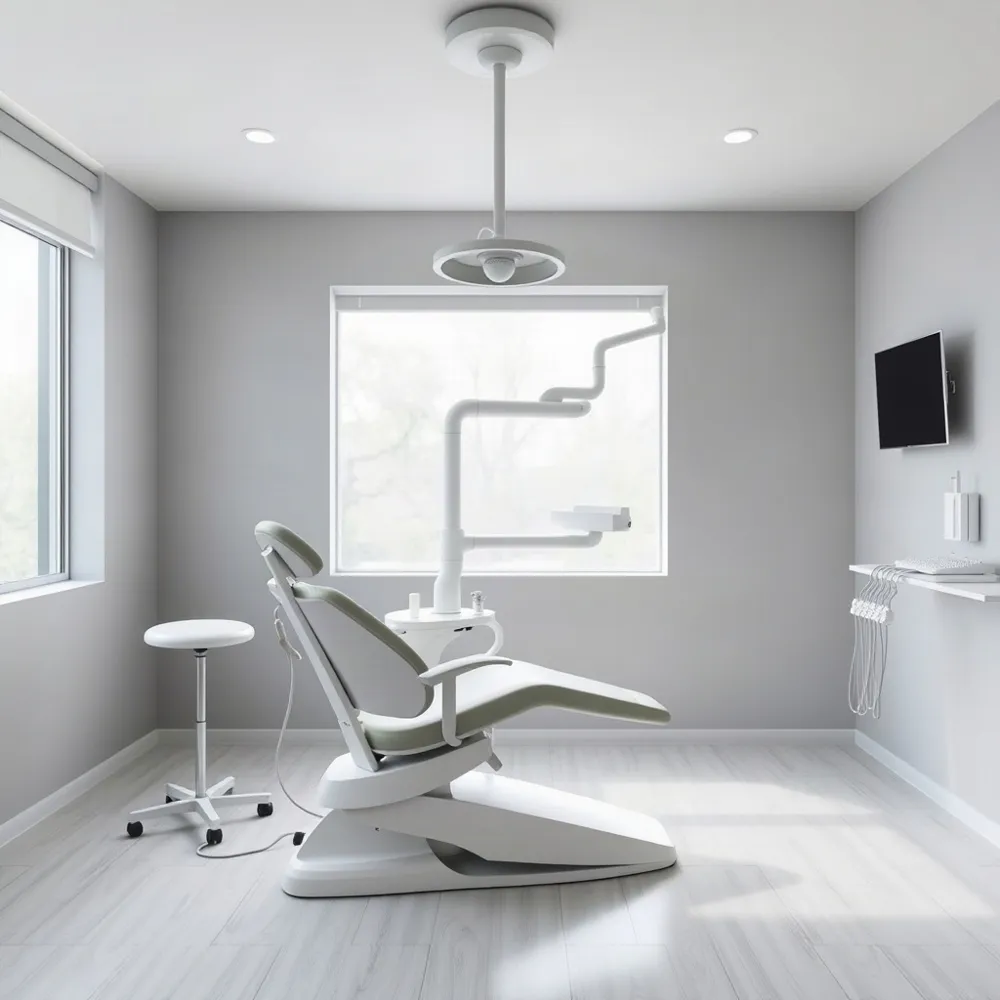 A smile evaluation typically centers on tooth color, alignment, and symmetry. Yet the way your upper and lower teeth actually touch, the bite, determines far more than how your smile photographs. Orthodontists categorize bite issues into specific malocclusions, and several common types go unnoticed during a casual check because they sit behind the front teeth or along the side arches. The American Association of Orthodontists describes a deep bite as excessive vertical overlap of the upper front teeth over the lower ones, which can push the lower teeth into the gum tissue behind the upper teeth and contribute to bite-related health concerns like abnormal wear and jaw pain. You can learn more about how a deep bite develops and why it matters by reviewing the deep bite explanation.
Open bites are equally easy to miss in a mirror. Instead of the front teeth meeting, a gap remains between them even when you close your mouth completely. The Dangers of an Open Bite article explains that this pattern forces the back teeth to absorb all the biting pressure, which can lead to uneven enamel wear, clicking jaw joints, and speech difficulties. An open bite usually stems from thumb sucking, tongue thrusting, or an underlying skeletal imbalance. Left alone, it places strain on the temporomandibular joint and the muscles that control chewing, creating discomfort that lingers long after the smile itself stops being the focus.
Crossbites and Underbites: The Side-to-Side Story
A crossbite occurs when some upper teeth sit inside the lower teeth when biting down, rather than outside where they belong. The misalignment affects a single tooth, a group of teeth, or an entire side of the arch. According to the American Association of Orthodontists, a crossbite prevents the jaws from growing symmetrically and can cause the lower jaw to shift as it seeks a comfortable position, which over time wears down enamel and strains the facial muscles. An underbite, in contrast, happens when the lower front teeth protrude past the upper front teeth. This skeletal imbalance places uneven stress on the front teeth and the jaw joints, often making chewing and speaking less efficient.
Orthodontic treatment at Trielle Orthodontics in Union, NJ, addresses these bite irregularities with a detailed evaluation that goes beyond the visible smile. Rather than focusing only on straightening the front teeth, the treatment plan corrects the bite as a whole, so the teeth, jaws, and muscles work together. This means the full arch is brought into proper alignment, not just the teeth that show in photos. The goal is a functional bite that distributes force evenly across all teeth, protecting enamel and preventing the kind of jaw and muscle strain that bite problems cause.
How Deep Bites, Open Bites, and Crossbites Affect Daily Life
The consequences of an untreated malocclusion extend well beyond aesthetics. A bite that doesn't meet correctly forces certain teeth to take on excessive load during chewing, which accelerates wear, chips, and even fractures. Over time, this uneven pressure can lead to gum recession and bone loss around the affected teeth, as explained in resources that discuss why your bite matters. Moreover, a misaligned bite can cause headaches, jaw pain, and clicking or popping sounds in the temporomandibular joint, symptoms that many people mistake for stress or tension rather than a dental issue.
Early intervention plays a critical role in preventing these problems from worsening. For children and teens, interceptive orthodontics can guide jaw growth and create space for permanent teeth, reducing the risk of more complex bite issues later. At Trielle Orthodontics, young patients receive age-appropriate evaluations that catch bite problems while the jaw is still growing. For adults, the same principles apply through comprehensive orthodontic treatment, which can correct a deep bite, open bite, or crossbite regardless of age, as long as the teeth and supporting structures are healthy.
The Role of Advanced Tools in Precise Diagnosis
Modern orthodontics relies on more than a visual exam. Digital scans, 3D imaging, and computerized bite analysis allow orthodontists to see exactly where the teeth make contact and how the jaws move, which is impossible to assess from photographs alone. This precision is what separates a simple cosmetic correction from a full functional realignment. According to a resource on why bite matters, addressing the bite's function over mere appearance prevents long-term damage to the teeth and joints. At Trielle Orthodontics, these advanced diagnostic tools inform every treatment plan, ensuring that the chosen approach targets the root of the bite problem rather than just the tips of the teeth.
Personalized care is where the practice sets itself apart. Whether the patient needs clear aligners, traditional braces, or a phased treatment plan that starts in childhood, the orthodontist tailors the approach to the individual's specific bite pattern, jaw growth stage, and lifestyle. This level of customization, paired with flexible payment options, makes comprehensive bite correction accessible to busy professionals and families alike. The result is a smile that looks natural and functions efficiently, reducing the risk of wear, jaw pain, and tooth loss down the road.
Deep Bite. Characterized by excessive overlap of the upper front teeth over the lower teeth; can cause gum irritation, abnormal tooth wear, and jaw pain if untreated.
Open Bite. Occurs when the upper and lower front teeth do not meet, forcing the back teeth to bear all the chewing load and leading to uneven wear and jaw strain.
Crossbite. A lateral misalignment where some upper teeth sit inside the lower teeth; can cause asymmetric jaw growth and uneven enamel wear.
Underbite. A condition where the lower front teeth protrude past the upper front teeth, placing uneven stress on the front teeth and jaw joints.
Understanding the nuance between these bite types helps patients recognize why a thorough orthodontic evaluation matters. A bite problem rarely resolves on its own, and the longer it goes untreated, the greater the risk of permanent damage to the teeth, gums, and jaw joints. By choosing an orthodontist who prioritizes bite function along with aesthetics, patients invest in long-term oral health that supports their overall well-being.
Seeking Help and Corrective Options
Your bite, or dental occlusion, is how your upper and lower teeth come together whenever you close your mouth, chew, or even rest. When healthy, teeth meet with even pressure that distributes force across the entire jaw, protecting the enamel and supporting bone. Problems like a deep bite, where the upper front teeth overlap the lowers excessively, or an open bite, where some teeth never touch, disrupt this balance. Over time, that subtle imbalance can cause teeth to chip, wear unevenly, or even shift out of place, while also straining the jaw muscles.
That is why modern orthodontic assessment goes far beyond cosmetic straightening. As Trielle Orthodontics points out, "straight teeth" are not the same as a healthy bite, and function matters more than appearance alone. The goal of any good orthodontic treatment is not just a beautiful smile, but a stable, functional bite that protects your teeth and jaw for a lifetime.
The Subtle Health Consequences of a Misaligned Bite
When the bite is misaligned, the effects rarely stay just in your mouth. A poor bite can trigger a cascade of health issues that patients often don’t connect to their teeth. These range from frequent headaches and neck pain to more surprising problems like earaches, tooth sensitivity, and even gum recession. The reason lies in how force travels through the jaw joint (TMJ) and into the muscles of the head and neck. When your teeth meet unevenly, these muscles are forced to compensate, leading to chronic tension and pain.
A Cleveland Clinic article notes that overbite issues, whether from teeth or jaw position, can lead to severe tooth wear, gum damage, and breathing problems if left untreated. This is why Straight Teeth vs. a Healthy Bite: Why Function Matters emphasizes that a proper bite is fundamental to overall health, not just a matter of aesthetics.
Why Bite is the Foundation of Orthodontics
Understanding this connection is what elevates a competent orthodontist to a true specialist. While a general dentist might focus on the surface enamel, an orthodontist is trained to diagnose and treat the underlying skeletal and dental relationship. As The Essential Role of Proper Bite Alignment in Your Oral Health explains, an aligned bite is the foundation for a healthy mouth, supporting everything from chewing efficiency to speech clarity.
When you visit a specialist like Trielle Orthodontics, the initial exam goes far beyond taking X-rays and photographs. Your orthodontist will systematically evaluate how your teeth fit together, the position of your jaw joints, and the wear patterns on your enamel. This diagnostic process is the first step toward a treatment plan that corrects the cause of the problem, not just the cosmetic symptom.
The Bite's Impact on Overall Physical Health
The connection between bite and body is more than anecdotal. A misaligned bite can contribute to a condition called temporomandibular joint disorder (TMJ/TMD), which brings with it clicking, popping, or pain around the jaw. This, in turn, can radiate to the shoulders and back. Furthermore, research suggests that a healthy bite is linked to better airway health. As noted in The Importance of Proper Bite Alignment for Overall Health, problems with occlusion can worsen sleep apnea and other breathing issues, impacting energy and cardiovascular health.
In summary, your bite is the central intersection of your oral health and your overall well-being. Ignoring the way your teeth meet is like ignoring a check engine light in a car; the problem won't fix itself and will likely cause more extensive damage down the road.
| Bite Issue | Common Symptoms | Long-Term Risk |
|---|---|---|
| Deep Bite | Worn front teeth, jaw pain | Tooth fracture, gum recession |
| Open Bite | Difficulty chewing, speech issues | Severe tooth wear, TMJ disorder |
| Crossbite | Asymmetrical jaw, clicking | Jaw joint damage, tooth loss |
| Underbite | Facial imbalance, pain | TMJ, difficulty eating |
Bite-Wise: Why Function Takes Priority
When many people think about orthodontics, they picture the aesthetic result: a straight, symmetrical smile. But the true measure of a healthy bite goes far beyond appearance. The way your upper and lower teeth meet, known as your occlusion, affects how you chew, speak, and even how your jaw joints function. A misaligned bite can lead to uneven tooth wear, jaw pain, and long-term dental problems that a purely cosmetic approach would miss.
Overbite. An overbite occurs when the upper front teeth overlap the lower front teeth excessively. While a small overlap is normal, a deep bite can cause the lower teeth to bite into the upper gums or palate, leading to tissue damage and uneven wear. Orthodontic treatment can correct this, but the goal isn't just to hide the tooth protrusion, it's to protect the supporting structures.
Underbite. An underbite happens when the lower teeth sit in front of the upper teeth. This can place excessive strain on the jaw joints (TMJ) and cause the front teeth to wear down unevenly. Early intervention, especially in children, is often recommended because it can guide jaw growth and reduce the need for more invasive treatment later. Early intervention at the right age can make a significant difference in overall function.
Open Bite. An open bite means the front teeth don't overlap at all when you bite down, leaving a gap. This forces the back teeth to do all the work, which can cause them to chip or fracture. It also affects speech and chewing efficiency. Understanding the dangers of an open bite is the first step; correcting it is about restoring proper function, not just closing a space.
Crossbite. A crossbite occurs when some upper teeth sit inside the lower teeth when biting down. This misalignment can force the lower jaw to shift to one side to find a comfortable bite, leading to asymmetrical jaw growth and muscle strain. Correcting a crossbite isn't just about moving teeth; it's about ensuring the entire bite fits together harmoniously.
At Trielle Orthodontics, the focus is on function first. Instead of treating each issue in isolation, the team evaluates the entire bite system, including the condition of existing clear aligners.
The Download: Bite Issues by the Numbers
| Bite Problem | Description | Treatment Focus |
|---|---|---|
| Overbite | Upper teeth overlap lower teeth too much | Prevent gum damage, reduce tooth wear, correct jaw alignment |
| Underbite | Lower teeth sit in front of upper teeth | Relieve TMJ strain, guide jaw growth, improve chewing |
| Open Bite | Front teeth don't overlap; gap remains | Prevent front tooth chipping, improve speech and chewing |
| Crossbite | Some upper teeth sit inside lower teeth | Correct jaw shift, prevent asymmetrical growth, balance bite |
This is why proper bite alignment matters more than simply having straight teeth. Here's why an aligned bite matters not just for your teeth, but for your overall health. A functional bite distributes forces evenly, reducing the risk of fractures and premature wear. The importance of proper bite alignment extends to alleviating headaches, neck pain, and even earaches, which are common symptoms of a misaligned jaw.