Redefining the Orthodontic Journey Through Technological Innovation
Modern orthodontics has moved away from traditional, manual methods toward a highly precise, technology-driven experience. This shift prioritizes patient comfort and clarity, ensuring that care is accessible for the growing segment of adult patients who now represent 1 in 3 orthodontic cases per the American Association of Orthodontists. By integrating sophisticated diagnostic tools, practices are removing traditional barriers like discomfort and long, uncertain treatment timelines.
At Trielle Orthodontics, the integration of 3-D digital imaging and AI-assisted treatment planning serves to demystify the entire process. Unlike clinics that rely on traditional, manual diagnostic casts, this modern practice ensures patients can visualize their expected outcomes through advanced simulations. Research shows that technologies like Digital Smile Design significantly boost patient satisfaction by providing a clear, predictive roadmap from the initial consultation to the final result.
Efficiency and tranquility are central to this updated standard of care. From the use of Invisalign aligners for discreet treatment to orthognathic procedures for complex bite issues, the focus remains on personalization. By reducing administrative friction through digital scheduling and maintaining a calm, modern environment, the patient journey becomes a manageable part of an adult's professional lifestyle rather than an overwhelming necessity.
Advancements in Modern Digital Orthodontics
- Intraoral scanners replace messy putty trays with precise 3D models.
- Digital smile design tools allow patients to visualize results before treatment.
- In-office 3D printing enables rapid fabrication of custom retainers and aligners.
- Digital CBCT imaging lowers radiation while providing high-definition views of anatomy.
- Remote monitoring apps track progress and reduce total in-person office visits.
- Laser technology enables non-invasive soft tissue procedures with faster healing times.
- Automated digital scheduling improves clinical workflow and reduces waiting room time.
- Sensory amenities reduce dental anxiety affecting roughly 30% of patients.
- Interactive displays empower patients by involving them directly in treatment planning.
- Digital integration achieves satisfaction rates as high as 96.3% per research.
1. Intraoral Scanners for Precise Digital Impressions
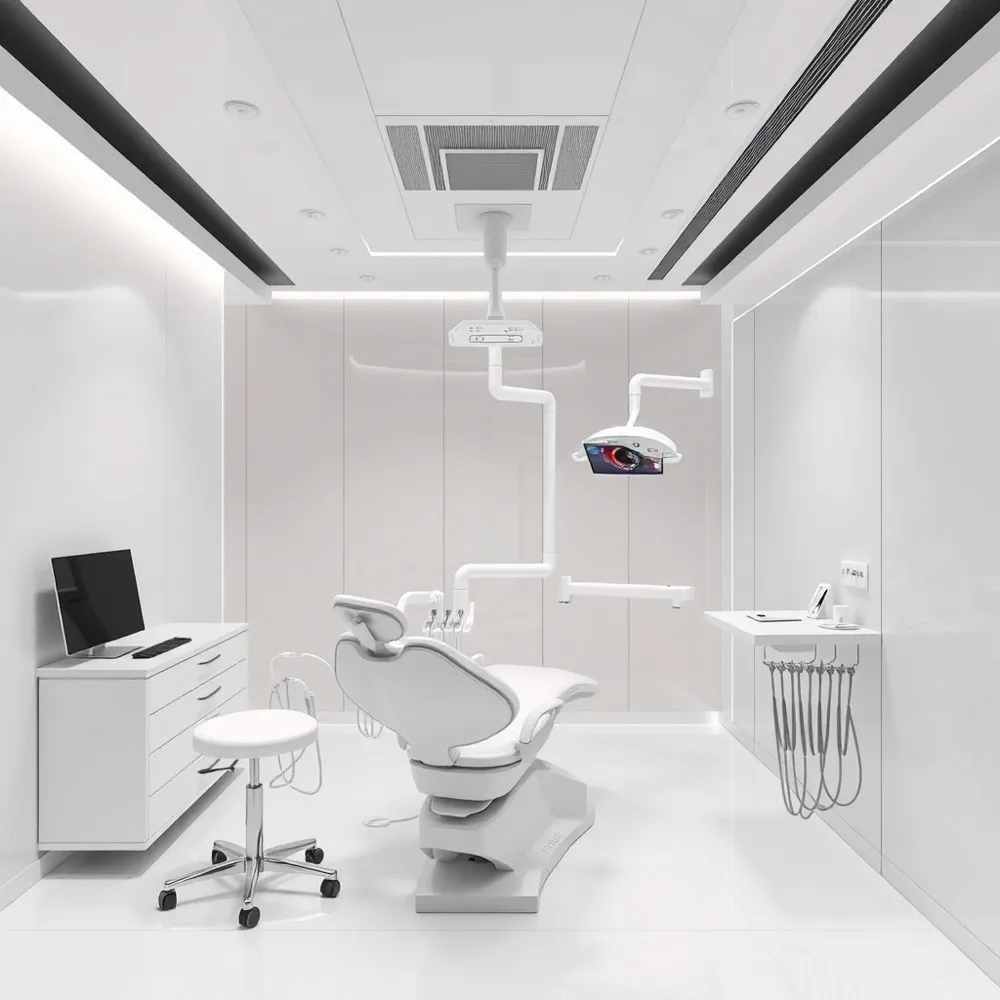 The days of enduring messy, putty-filled trays are largely behind us thanks to the adoption of digital intraoral scanners. These advanced devices capture precise three-dimensional models of the teeth and gums using light-based technology, which eliminates the physical discomfort associated with traditional dental impressions.
For many patients, especially those with a sensitive gag reflex, this transition represents a significant upgrade in care. At Trielle Orthodontics, we prioritize these modern diagnostic tools because they remove the bulky materials that often cause anxiety during the orthodontic planning process. Unlike older techniques that rely on manual impressions, digital scanning offers a cleaner, faster alternative that minimizes time in the chair.
Beyond patient comfort, these scanners provide superior accuracy for treatment planning. By creating a highly detailed 3D map of the oral cavity, orthodontists can avoid the errors common in traditional casting methods. This integration of digital precision ensures that appliances such as Invisalign aligners can be fitted with microscopic exactness. Because these digital models are captured instantly, they allow for immediate workflow transitions and improved communication regarding the predicted path of tooth movement.
3D Treatment Simulation Software for Transparent Planning
Modern orthodontics now relies heavily on sophisticated Digital Smile Design systems to bridge the gap between clinical planning and patient expectations. By integrating 3D imaging with interactive platforms, these tools allow patients to visualize their final smile results, including specific changes to tooth shape and alignment, before active treatment even begins.
This level of clarity is vital for reducing patient anxiety, as it demystifies complex procedures and eliminates the unknown. When patients can clearly see the progression toward their target aesthetic, they often feel more confident in their treatment plan. Research confirms this impact, with studies reporting that visual simulations lead to significantly higher satisfaction scores and improved communication between the provider and the patient.
At trielleorthodontics.com, this technology is a cornerstone of the initial consultation, ensuring that each step of the journey is collaborative. Unlike traditional, verbal-only consultations, our proactive use of simulation software empowers patients to take an active role in their care, fostering a sense of ownership that is often missing from legacy orthodontic models.
3. In-Office 3D Printing for Appliance Customization
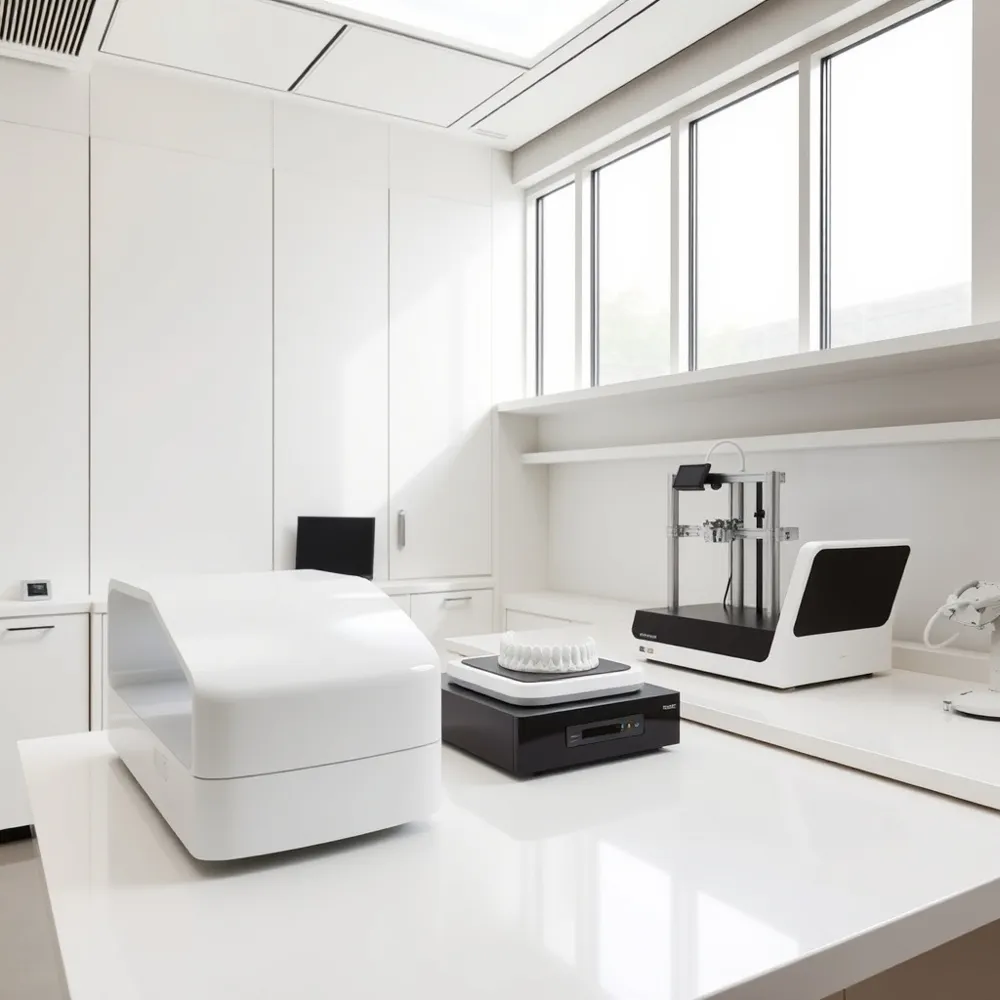 The integration of 3D printing technology directly into the practice allows for the in-office creation of highly precise orthodontic appliances. Unlike traditional laboratories that require weeks to fabricate devices, Trielle Orthodontics utilizes additive manufacturing to produce customized retainers and aligners in a matter of hours. This capability significantly streamlines the patient experience by removing the standard shipping and manufacturing delays associated with off-site production.
By shifting from manual processes to digital fabrication, practices achieve a higher standard of fit and efficacy. Modern 3D printing enables the production of appliances that are tailored to the unique anatomy of each patient to ensure comfort and better clinical results. While many large dental chains rely on external facilities for appliance production, the ability to manufacture on-site allows for immediate adjustments and refined control over the final treatment outcome.
Efficiency improvements through this technology mean that patients can move forward with their treatment plans without waiting for external labs to return physical models. This rapid turnaround is particularly beneficial for active adults who require a seamless and timely transition between different stages of their care. With a focus on adult orthodontic services, on-site customization ensures that appointments remain productive, efficient, and oriented toward the patient's specific lifestyle needs.
4. Advanced Digital X-Ray and CBCT Imaging
Modern diagnostic tools like digital radiography and Cone Beam Computed Tomography (CBCT) have replaced older film-based methods. These systems utilize smaller sensors and shorter exposure times, leading to significantly lower radiation exposure compared to traditional X-rays. At Trielle Orthodontics, this technology ensures that patient safety is prioritized without compromising diagnostic depth.
These advanced imaging solutions provide real-time diagnostic imagery, which allows practitioners to streamline appointments by eliminating the wait for physical film processing. While some practices rely on static 2D images, current high-definition 3D views offer a more comprehensive look at oral and facial structures. This level of detail is essential for complex case planning, such as evaluating jaw positioning or identifying underlying airway concerns, which might otherwise remain hidden.
For patients considering second opinions for orthodontics, this precision remains vital. Unlike older standards that often leave room for guesswork, high-quality digital imaging ensures that the treatment trajectory is based on exact anatomical data. This commitment to technology helps patients understand their specific needs more clearly, fostering confidence throughout their orthodontic journey.
5. Tele-dentistry and Remote Monitoring Applications
The advent of tele-dentistry and remote monitoring has transformed how busy professionals manage their orthodontic care. By utilizing secure messaging and video consultations, patients can now discuss their treatment progress or raise concerns without needing to step away from work for a routine check-in. This digital-first approach provides a streamlined experience for those who need convenient, flexible scheduling.
At Trielle Orthodontics, we recognize that our patients lead demanding lives. By leveraging remote monitoring tools, we reduce the frequency of mandatory in-person visits, ensuring that clinical efficiency does not come at the cost of personal time. While competitors might rely heavily on physical office presence for every minor adjustment, we integrate these telehealth solutions to provide a seamless balance between professional-grade oversight and patient convenience.
Remote applications allow our team to track tooth movement progress continuously. This proactive method ensures early detection of any deviations from the plan, which promotes long-term stability and success for adult patients. By prioritizing adult orthodontics techniques that fit modern lifestyles, we ensure that every stage of the journey remains accessible and transparent.
6. Laser Technology for Non-Invasive Procedures
Modern orthodontics increasingly utilizes specialized lasers to perform delicate soft tissue procedures with exceptional accuracy. By focusing light energy with high precision, clinicians can reshape gum tissue or expose teeth for bracket placement more effectively than traditional surgical instruments. At Trielle Orthodontics, we integrate such advanced tools to ensure every patient benefits from modernized, precise care that prioritizes both comfort and clinical outcome.
One significant advantage of laser technology is the reduced need for local anesthesia during many minor procedures. Because lasers cauterize blood vessels as they work, they naturally promote faster healing while minimizing post-operative swelling and bleeding. This approach stands in contrast to conventional methods employed by many other providers, which often rely on more invasive cutting techniques that necessitate longer recovery periods.
The implementation of these tools supports a more streamlined treatment experience. At Trielle Orthodontics, we prioritize these non-invasive solutions to reduce tissue irritation, making it easier for our patients to return to their normal routines shortly after an appointment. While practices relying exclusively on manual instruments may require more conventional recovery time, our commitment to technology ensures our patients at trielleorthodontics.com receive the most gentle care path available.
7. Digital Scheduling and Automated Communication Tools
Modern orthodontic care depends as much on administrative efficiency as it does on clinical precision. At Trielle Orthodontics, we prioritize your time by integrating digital check-in systems and online appointment scheduling, which significantly streamlines administrative tasks and reduces the time you spend in the waiting room.
Traditional clinic models often suffer from bottlenecks that increase patient stress, whereas practices adopting mobile apps for appointment reminders consistently ensure smoother office workflows. By sending automated notifications, staff can better manage daily capacity, allowing for a more predictable and prompt visit experience.
These digital tools do more than just manage calendars. They keep your treatment journey organized and transparent throughout your care. Patients at Trielle Orthodontics benefit from this focus on operational fluidity, which ensures that each appointment remains focused on your health needs rather than paperwork.
8. Entertainment and Sensory Relaxation Amenities
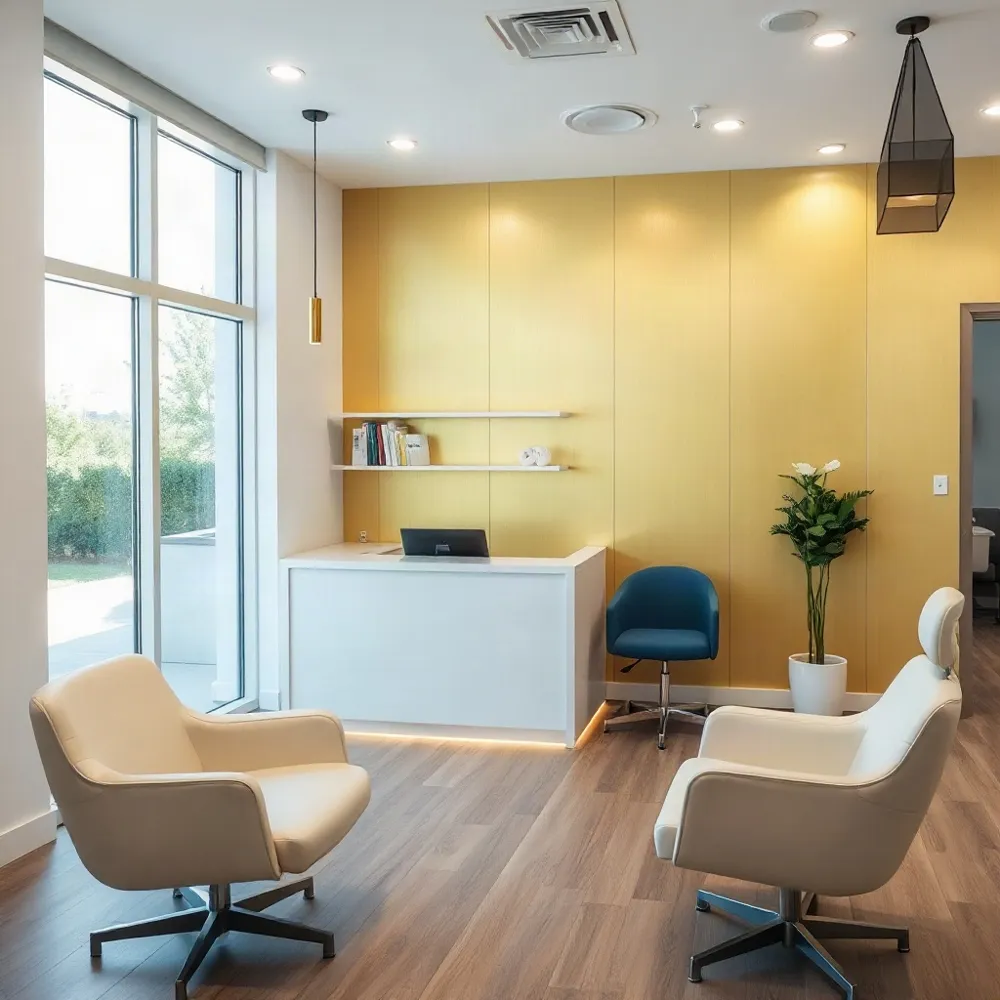
Modern orthodontics now prioritizes the patient experience as much as clinical outcomes, often incorporating sensory amenities to alleviate the roughly 30% of the population that experiences dental anxiety. At Trielle Orthodontics, this commitment to comfort is woven into the office design, which was purposefully developed to feel calm, modern, and welcoming rather than clinical.
To mitigate apprehension, many contemporary practices now offer specialized distraction techniques. Patients can utilize tablets or streaming services to focus on entertainment instead of the procedure, effectively shifting their attention away from the sensory aspects of care. Integrating comfort-focused accessories like neck pillows or weighted blankets further helps patients feel relaxed and secure throughout their visit.
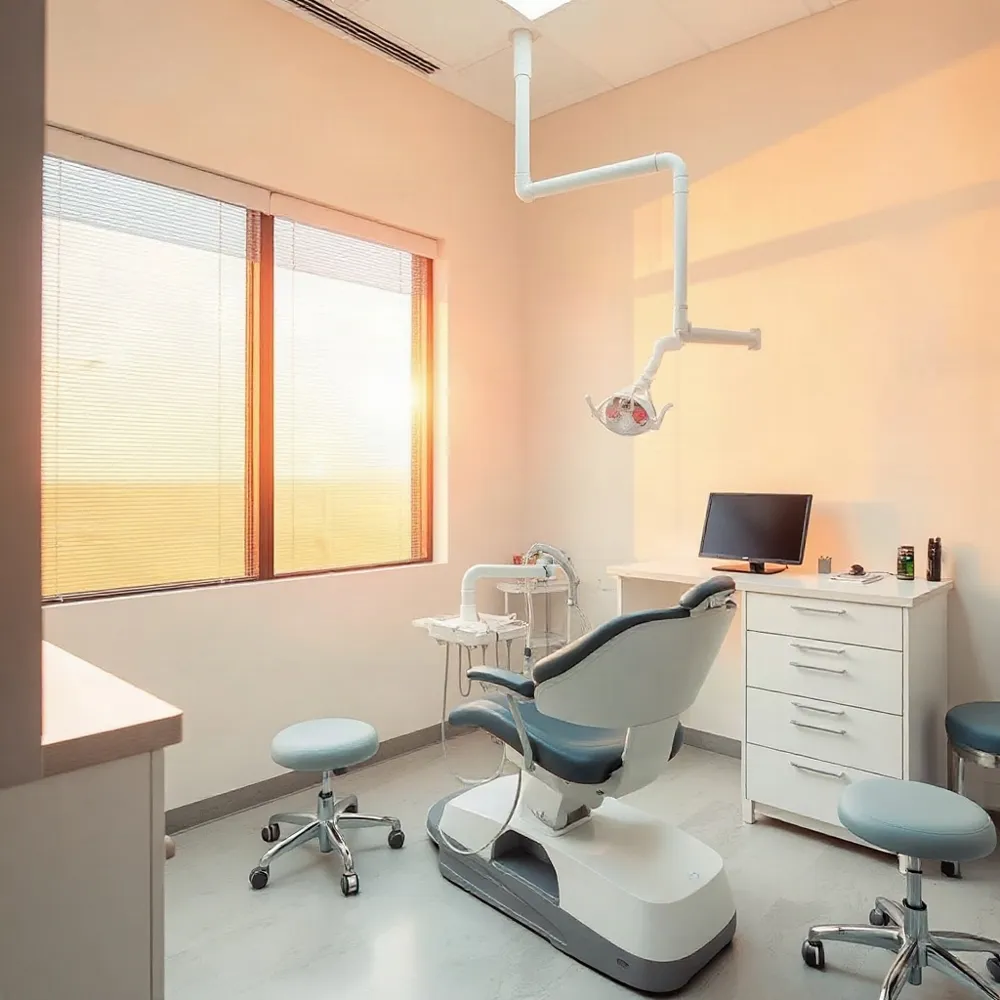
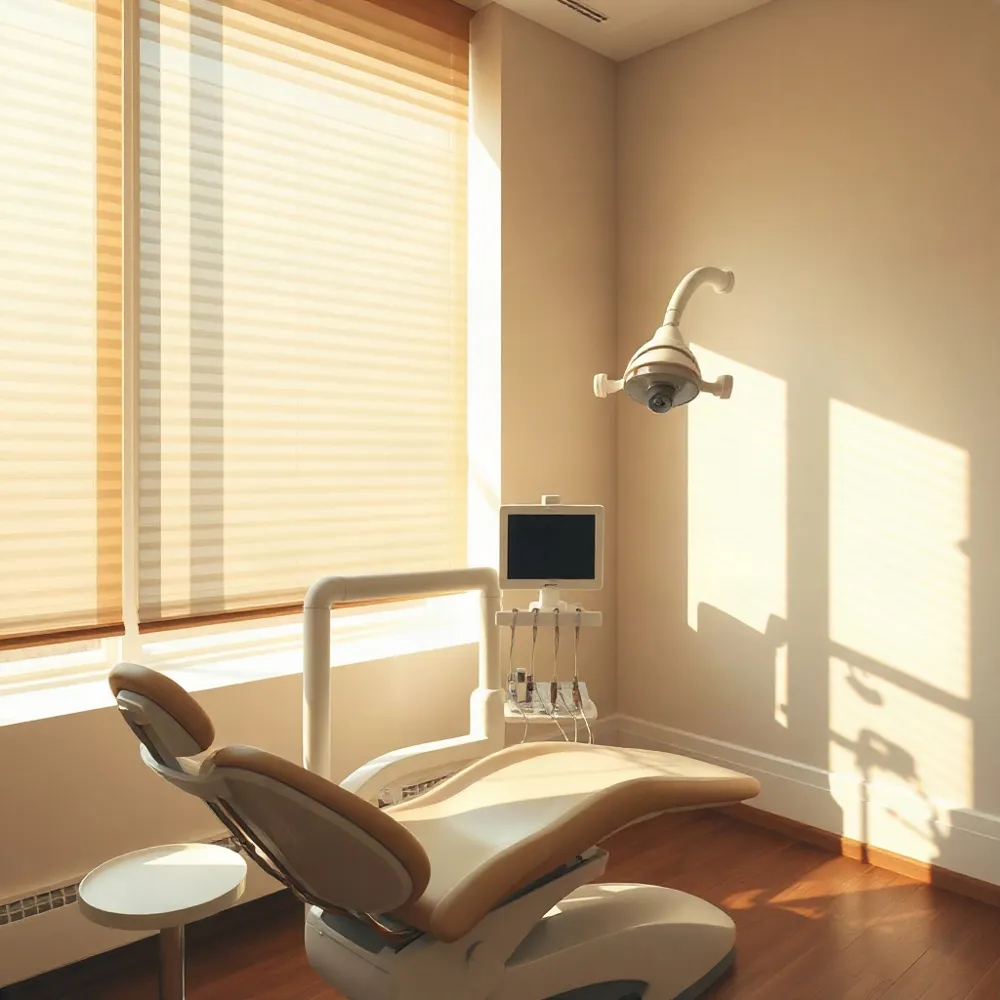
The atmosphere within the treatment room is equally important for long-term comfort. Utilizing ambient lighting, temperature controls, and soothing background music creates a spa-like environment that lowers physiological tension. These small environmental adjustments ensure that routine appointments, such as those for Invisalign, are more manageable and pleasant for patients navigating their orthodontic journey.
9. Interactive Patient Education Displays
Modern orthodontic care increasingly relies on interactive digital displays to transform patient understanding. At Trielle Orthodontics, these tools serve as more than just visual aids. They act as essential components of informed care by demystifying complex procedures and allowing patients to view their specific bite alignment or tooth movement in high definition. By utilizing vivid simulations, practices move beyond static descriptions to provide a clear, real-time map of the patient's individual smile transformation.
Transparency remains a primary driver of patient confidence. When clinicians use chairside monitors to explain planned adjustments, they replace uncertainty with clarity, which research indicates contributes to higher satisfaction and treatment acceptance rates. Unlike conventional methods that may leave patients guessing, these displays foster trust by involving individuals directly in the decision-making process.
This integration of technology helps bridge the gap between clinical planning and patient expectations. By offering a visual preview of their journey, patients feel empowered and more at ease throughout their treatment. As adult orthodontics continues to evolve, these interactive stations ensure that every phase of the process remains open, understandable, and tailored to the unique aesthetic and functional goals of the patient.
Expert Insights: Why Digital Dentistry Matters
The evolution of modern orthodontics marks a fundamental shift from traditional analog methods to a data-driven, digital standard of care. At Trielle Orthodontics, this transition allows for a level of diagnostic precision that was previously unattainable with conventional film-based systems and physical clay molds.
Incorporating digital dentistry into orthodontic treatment significantly enhances procedural precision, diagnostic accuracy, and overall patient comfort. By replacing traditional, uncomfortable physical impressions with advanced 3D digital scanning, clinicians capture highly accurate representations of teeth and gums while streamlining the entire clinical workflow. This transition minimizes the reliance on manual processes, which are prone to human error, in favor of a robust digital pipeline.
The adoption of Digital Smile Design serves as a primary example of how visual technology bridges the gap between patient expectations and clinical reality. By integrating CAD/CAM systems, orthodontists visualize treatment stages with high predictability, which has been shown to result in patient satisfaction rates as high as 96.3% per clinical research. While some practices still rely on outdated analog casts, Trielle Orthodontics utilizes 3D imaging to offer patients a clear, early preview of their anticipated results.
Beyond aesthetics, this digital integration supports faster, more efficient care. Because data travels instantly between systems, chairside time is reduced and treatment planning becomes a collaborative, transparent experience rather than a black-box medical procedure. For the roughly 1 in 3 orthodontic patients who are now adults, these innovations provide the predictability and time-saving efficiency necessary to manage professional and personal commitments throughout their treatment journey.
Technological Evolution in Modern Orthodontics
Modern orthodontics has been transformed by a high-tech ecosystem centered on comfort, precision, and efficiency. Advancements like 3D printing and Cone Beam Computed Tomography allow for highly accurate, personalized treatment planning by providing detailed 3D imagery of a patient's dental structure. Beyond traditional methods, orthodontists now utilize high-tech nickel-titanium archwires and customized brackets to gently and effectively align teeth.
Patients also benefit from innovative options such as self-ligating braces and clear, invisible aligners that focus on aesthetic appeal. At trielleorthodontics.com, these digital-first approaches, including AI-assisted planning and Invisalign, are paired with a calming office environment to replace the high-stress protocols of the past. While some practices rely on rigid, one-size-fits-all hardware, this practice prioritizes individualized treatment paths to ensure a more reliable and patient-focused experience throughout the corrective process.
The shift toward patient-centric technology extends into the administrative workflow as well. Practices that integrate digital check-in systems and cloud-based communication tools significantly reduce patient chair time and waiting room frustration. By contrast, traditional offices relying on manual records often struggle with outdated communication cadences. As Digital Smile Design continues to push the boundaries of visual accuracy, the gap deepens between static, analog experiences and the dynamic monitoring made possible by modern imaging.
Prioritizing Patient Comfort and Quality Software
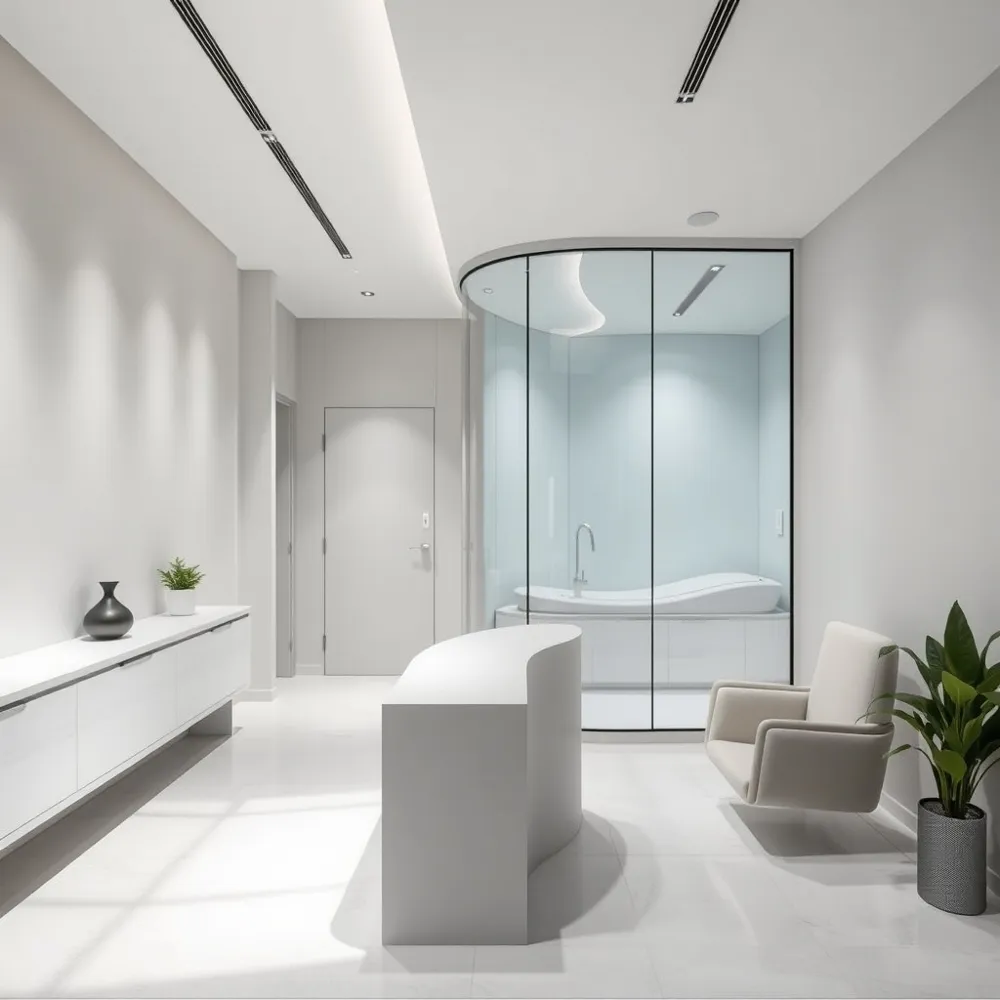 Modern orthodontics focuses on the intersection of technical precision and human-centric care. Practices like Trielle Orthodontics prioritize patient experience by cultivating a calming office environment, which directly complements the effectiveness of modern clinical workflows. Rather than treating orthodontic care as a series of purely mechanical events, successful clinics integrate spa-like amenities such as quiet equipment, adjustable lighting, and ergonomic seating to minimize apprehension. This combination of a welcoming atmosphere and personalized, empathetic communication helps alleviate the dental anxiety commonly reported by around 30% of the population per 5 Ways Dentists Can Improve Patient Comfort During Dental Visits.
How do dental practices ensure patient comfort during orthodontic procedures? Practices prioritize patient comfort by creating a soothing, welcoming environment and utilizing advanced technology that minimizes the duration and invasiveness of clinical procedures. To further ensure a positive experience, staff members work closely with each individual to develop customized care plans that align with their personal goals, health needs, and preferences. For patients with anxiety, various sedation options may be available to help them feel more at ease during their visit. Additionally, many offices offer distraction tools, such as music or media, to help patients relax throughout their treatment. By combining personalized attention with modern, efficient techniques, dental practices strive to make orthodontics as comfortable and stress-free as possible.
Selecting the right planning software is equally vital for clinical success. Platforms such as Digital Smile Design demonstrate how sophisticated tools act as a bridge between expected outcomes and reality. When evaluating these systems, practitioners should look for seamless hardware integration. At Trielle Orthodontics, the use of 3-D digital imaging and AI-assisted planning highlights how quality software transforms diagnostic accuracy into actionable treatment paths, ultimately helping 1 in 3 adults navigate their orthodontic journey with greater confidence.
What criteria should be used to identify high-quality orthodontic planning software? High-quality orthodontic planning software should prioritize seamless integration with hardware like intraoral scanners and CBCT machines to ensure a truly end-to-end digital workflow. Look for platforms that leverage AI-driven diagnostics and automated modeling to drastically reduce the time spent on complex treatment setups and biomechanical calculations. Compatibility with your existing practice management software is also essential to streamline administrative tasks and improve overall office efficiency. Additionally, the software should offer robust communication tools to facilitate direct collaboration with labs and enhance engagement with patients. Ultimately, the best software acts as an intuitive Swiss army knife, clinical precision combined with user-friendly features to support individualized care.
Choosing the Right Technology for Your Orthodontic Journey
The integration of advanced technology has fundamentally shifted the orthodontic landscape, moving from traditional manual methods toward a highly precise, data-driven experience. Practices that incorporate Digital Smile Design and 3D imaging provide patients with a clearer preview of their outcomes, which clinical studies associate with significantly higher satisfaction levels.
At Trielle Orthodontics, our commitment to this digital evolution is evident in our use of 3-D digital imaging and AI-assisted treatment planning. While some offices rely on legacy impression materials, our team utilizes modern clear-aligner systems to deliver a discreet, comfortable experience tailored specifically to adult needs. We prioritize these innovations, such as orthognathic-focused assessments, because they enhance both clinical accuracy and long-term stability.
For patients considering treatment, prioritizing clinics that leverage comprehensive digital toolsets is a vital step toward a successful result. By choosing a partner equipped with advanced second-opinion tools and ergonomic office designs, you ensure your journey is efficient, transparent, and built on the latest advancements in orthodontic care.