A New Era in Orthodontics
For decades, the most dreaded part of orthodontic records was the impression tray: a mouthful of viscous, mint-flavored goop that could trigger your gag reflex and make you feel like you were suffocating. Digital impressions eliminate that entirely. Instead of alginate and plaster, a slim intraoral scanner glides over your teeth, capturing thousands of tiny images per second. The result is a precise 3D model on a screen in minutes, with no gagging, no messy set-up, and no awkward tray removal. Practices like Trielle Orthodontics use this technology to make the first step of treatment feel effortless.
The comfort gains go beyond the appointment itself. Because the scanner touches nothing more than your teeth, there's no pressure on the soft tissues of your palate and gums, which is often where gagging and soreness originated with traditional materials. Digital scanning also produces a more accurate model than physical impressions, since there's no material shrinkage or distortion during setting. That accuracy feeds directly into the aligners or braces that follow, reducing the need for mid-course corrections. Digital scanning has changed orthodontic treatment by making the entire process faster, cleaner, and more predictable.
Digital Impressions: Goodbye to Putty Molds
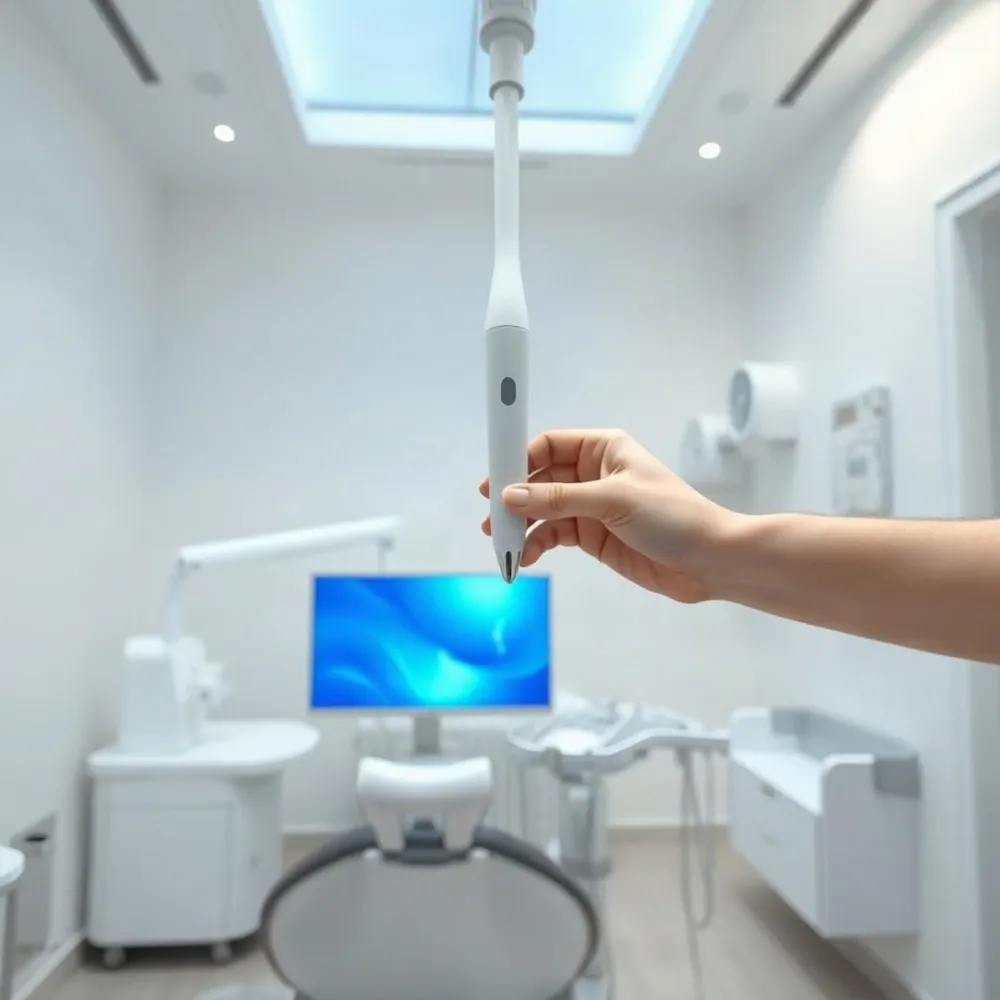 One of the most noticeable shifts in modern orthodontics is the move away from messy, putty-based impressions. Traditional molds often triggered gagging and required multiple attempts to capture an accurate bite. Digital scanning eliminates that discomfort entirely. A handheld wand glides over the teeth, capturing thousands of detailed images in seconds. This process is not only faster but also far more comfortable for patients of all ages. According to research, digital scanning provides a more precise and predictable patient experience compared to conventional methods.
At Trielle Orthodontics, we’ve integrated intraoral scanning into our initial consultations and ongoing treatment monitoring. This technology reduces chair time and allows for real-time visualization of progress. Unlike traditional impressions, which may require retakes or shipping delays, digital scans are instantly available for treatment planning. Patients see exactly what the orthodontist sees, which demystifies the process and builds trust. The result is a smoother, more transparent journey from the first appointment to the final retainer.
How Digital Scanning Improves Treatment Precision
Digital impressions feed directly into 3D treatment planning software. This integration allows for virtual setup models, where teeth can be moved on-screen to predict outcomes before any appliances are placed. This level of precision reduces guesswork and shortens overall treatment times. A study on the role of 3D imaging in orthodontics highlights how such technology enhances diagnostic accuracy and treatment efficiency. For patients, this means fewer adjustments, fewer emergency visits, and a more predictable result.
In contrast to older methods that relied on physical models, digital scans can be stored indefinitely without degradation. This makes it easier to track changes over months or years. Digital impressions also eliminate the need for bulky plaster models, reducing waste and improving practice efficiency. At Trielle, we’ve seen how this technology enhances both patient comfort and clinical outcomes, making it a cornerstone of our modern approach.
| Aspect | Traditional Impressions | Digital Scanning |
|---|---|---|
| Comfort | Messy, gag-inducing putty | Smooth, wand-based scan |
| Speed | Multiple attempts, shipping delays | Instant capture, immediate feedback |
| Accuracy | Prone to distortion | High precision, 3D models |
| Patient Communication | Abstract, hard to visualize | Visual, shareable on screen |
| Environmental Impact | Plaster waste | Digital, paperless |
3D Imaging and CBCT: Precision Planning
Clear aligner therapy offers a discreet and comfortable route to a straighter smile, but it isn't without its share of common hurdles. Issues like poor fit, persistent discomfort, and even speech difficulties can arise. Understanding these challenges and knowing how to address them promptly is key to keeping your treatment on track. At Trielle Orthodontics, we prioritize proactive support to help you manage any aligner problems as they occur.
Managing Discomfort and Fit Issues
The most frequent patient complaints involve the initial pressure on teeth and the temporary lisp that comes with a new retainer. Mild soreness is a normal sign that your teeth are moving, and it typically fades within a few days. For stubborn discomfort, using orthodontic wax on any rough edges can work wonders. However, if an aligner feels painfully tight or doesn't seat properly, don't try to force it. Contact your provider for guidance.
Modern orthodontic technology plays a significant role in mitigating these issues from the start. Digital scanning provides a highly accurate, comfortable impression of your teeth, leading to a better-fitting aligner from the beginning. This precision reduces the need for adjustments and helps prevent many fit-related problems before they begin.
Clear Aligner Maintenance and a Busy Lifestyle
Maintaining a strict wear schedule can be challenging, especially with a busy routine. It’s essential to wear your aligners for 20-22 hours a day, removing them only to eat, drink anything other than water, and brush your teeth. This discipline is crucial for avoiding prolonged treatment times. Keeping a travel-sized dental kit with your toothbrush, floss, and a case handy makes it easier to stick to the routine even when you’re not at home.
Poor oral hygiene while wearing aligners can trap food and bacteria, leading to plaque build-up and staining. Be sure to brush and floss after every meal before reinserting your aligners. This not only protects your teeth from decay, but it also keeps your aligners clear and odor-free. This commitment to hygiene is a key part of successful treatment.
Trielle Orthodontics focuses on treatment plans that fit into your life. We understand the challenges of keeping up with a demanding lifestyle, which is why we emphasize patient education. Our team provides clear, direct guidance on how to manage your aligners effectively, and we offer flexible payment options to help make the journey more manageable.
| Common Issue | Description | Solution |
|---|---|---|
| Discomfort | Soreness and pressure on teeth from movement | Mild pain relievers, orthodontic wax, and time |
| Poor Fit | Aligners not seating properly or feeling too tight | Contact your provider for a recheck or refinement |
| Staining and Odor | Caused by poor hygiene and not brushing | Brush and floss after every meal, clean aligners daily |
| Damage or Loss | Aligners cracking, warping, or getting lost | Immediately contact your orthodontist for a replacement |
Advanced Software: Planning Before Treatment
For decades, getting braces or aligners started with a tray full of flavored putty pressed against your teeth. Many patients gagged, drooled, or simply dreaded the gooey impression step. That experience has largely disappeared in modern practices, replaced by a small digital wand that captures your full bite in minutes. The shift is part of a broader move toward technology that makes orthodontic visits faster and more comfortable, a theme covered in depth in how modern orthodontic technology enhances patient comfort.
Digital scanning works by projecting light onto your teeth and recording thousands of images per second. Software stitches those images into a precise 3D model, eliminating the need for putty altogether. The results are more accurate than traditional molds, which is why digital impressions have become the standard for both clear aligner therapy and traditional braces. You can read more about the diagnostic benefits in the role of 3D imaging in accurate orthodontic diagnosis.
What the Scan Feels Like
The wand is about the size of a dental mirror, and the whole scan typically takes under five minutes. There is no gagging, no bitter taste, and no waiting for material to set. The scan gives immediate feedback, so your orthodontist can show you a virtual preview of your future smile right on the screen. For adult patients especially, this instant visualization helps build confidence in the treatment plan before a single bracket or aligner is placed.
Accuracy and Comfort Compared
Traditional putty impressions often distort as they are removed from the mouth, and they only capture the teeth, not the surrounding soft tissue. Digital scans avoid those errors and record your gums and bite relationships too. That extra data means fewer surprises later, which is why many practices report fewer mid-treatment adjustments. The patient experience is better as well; a 3D scan removes the discomfort that came with older impression methods, a point echoed in guides to digital scanning's effect on orthodontic treatment.
At Trielle Orthodontics, the switch to digital impressions means your first appointment is more relaxed and your treatment plan is built on precise data. The practice pairs this technology with individualized care and flexible payment options, so you get a modern, comfortable start to orthodontic treatment without the putty-based anxiety of the past.
Clear Aligners: Discreet and Customized
 Clear aligner therapy has moved well beyond the simple plastic trays of a decade ago. Advances in 3D printing, digital scanning, and treatment planning software now let orthodontists design and produce aligners with a level of precision that was previously impossible. For patients, this translates into more comfortable, faster, and more predictable treatment experiences.
The Shift to In-House Digital Production
Traditional orthodontic labs relied on physical impressions and manual model pouring, a process that introduced errors and delays. Today, many practices, including Trielle Orthodontics, use intraoral scanners to capture a precise digital model of the teeth in minutes. This data feeds directly into 3D printing software, allowing aligners to be produced in-house rather than waiting weeks for an external lab. According to a review in the National Library of Medicine, digital workflows reduce treatment planning time and improve the accuracy of aligner fit.
This same digital approach powers the digital impressions that make clear aligner treatment more comfortable from the start. Instead of gagging on a tray of gooey impression material, patients simply sit back while a wand glides over their teeth, capturing thousands of images per second. The result is a more comfortable experience and a more accurate starting point for treatment.
How 3D Printing Improves Aligner Precision
3D printing allows orthodontists to create aligners with intricate geometries that would be difficult or impossible to achieve with traditional thermoforming alone. Each aligner is printed to exact specifications, ensuring consistent thickness and pressure distribution across the teeth. This precision means that tooth movement is more predictable, and in many cases, treatment can be completed in fewer aligners than with older methods.
A 2024 article in Orthodontics & Craniofacial Research highlights how digital workflows, including 3D printing, have streamlined orthodontic care, reducing both the number of appointments and the overall treatment duration. For patients at Trielle Orthodontics, this translates into fewer visits to the office and a more efficient path to a confident smile.
The Role of Digital Treatment Planning
Beyond the aligners themselves, digital treatment planning software allows orthodontists to map out the entire tooth movement sequence in advance. Using a virtual setup, they can see how each tooth will shift at every stage of treatment and make adjustments before a single aligner is produced. This level of foresight reduces the likelihood of mid-course corrections and helps ensure that the final result matches the patient's expectations.
Digital planning also makes it easier for patients to visualize their expected outcome. Through 3D imaging, they can preview how their smile will look after treatment, which builds confidence and improves communication between the patient and the orthodontist.
Comfort and Convenience for Adult Patients
For adults considering orthodontics, comfort and convenience are often top priorities. Modern clear aligners are made from smooth, medical-grade thermoplastic that is gentle on the gums and cheeks. The ability to remove them for eating, brushing, and flossing means no dietary restrictions and no extra cleaning steps. Advances in aligner technology have also led to thinner, more flexible materials that are less noticeable and more comfortable to wear.
As noted by McAllister Orthodontics, modern orthodontic technology focuses on improving the patient experience at every step, from the initial scan to the final aligner change. At Trielle Orthodontics, this patient-centered approach is central to how we deliver care.
What This Means for Your Treatment
The combination of 3D printing, digital scanning, and computer-aided design has fundamentally changed what patients can expect from clear aligner therapy. Treatment is more precise, more comfortable, and often faster than ever before. If you're curious about how these technologies could apply to your own smile, the team at Trielle Orthodontics can show you how a digital-first approach makes orthodontic care more predictable and more pleasant.
The Patient Experience: Comfort and Communication
The days of biting into a tray of alginate putty are largely behind us. Modern orthodontic practices now rely on digital intraoral scanning to capture a precise 3D model of your teeth in under a minute. This shift removes the gagging and discomfort that many patients associate with traditional impressions, and it produces a more accurate record of your bite from the very first appointment.
Accuracy. A digital scan captures thousands of data points per tooth, giving your orthodontist a highly detailed map of your dentition. This precision supports better-fitting aligners and brackets, which often means fewer mid-treatment adjustments and a more predictable outcome.
Comfort. For patients with a strong gag reflex, traditional putty impressions can be a real ordeal. Intraoral scanning replaces that with a slim wand that glides over your teeth, so the process feels more like a routine photo session than a dental procedure. Many practices, including Trielle Orthodontics, offer this technology as standard.
Speed. Because the scan is captured digitally, your orthodontist can send it to the lab or aligner manufacturer instantly. This removes the shipping time and physical model errors that can slow down traditional workflows. At Trielle Orthodontics, patients often see their treatment timeline shrink as a result of this streamlined process.
Digital scanning also lets you see a preview of your projected results before treatment even begins. The same technology that powers 3D imaging for accurate diagnosis feeds into a digital treatment plan you can review on a screen, so you know exactly what to expect in terms of movement and duration.
When you compare providers, this is where the patient experience starts to diverge. Some practices still rely on old-fashioned putty impressions and two-dimensional X-rays. At Trielle Orthodontics, every new patient starts with a comprehensive digital scan, which means a more comfortable appointment and a clearer path to your ideal smile.
Clear Aligners and the Digital Workflow
Clear aligners have transformed adult orthodontics by offering a nearly invisible way to straighten teeth. But the technology behind them has evolved just as quickly as the aesthetics. Digital treatment planning lets your orthodontist map out each stage of tooth movement with software, then manufacture a series of custom trays that apply the right amount of pressure at the right time.
This digital-first approach is a major reason why clear aligners have become the top choice for adults. You can remove them to eat and brush, and the aligners are designed to fit snugly over your scanned teeth. For patients who want to avoid the look of metal braces, this combination of precision and discretion is hard to beat.
| Technology | What It Does | Patient Benefit |
|---|---|---|
| Intraoral scanner | Captures a 3D digital model of your teeth | No putty, no gagging, faster scans |
| 3D treatment software | Simulates tooth movement stage by stage | Preview results before you start |
| Digital aligners | Custom trays printed from your scan | Nearly invisible, removable for eating |
| Laser technology | Soft tissue procedures with less bleeding | Faster healing after certain treatments |
The same digital workflow extends to other parts of the practice. Laser technology, for instance, can reshape gum tissue with less discomfort and a shorter recovery time than traditional methods. Trielle Orthodontics incorporates these tools into routine care, so you get the benefits of modern orthodontics without the bulk of older equipment.
Ultimately, the goal is a treatment experience that feels less like a dental appointment and more like a partnership. Digital scanning and 3D planning put you in the driver's seat, letting you see the finish line before you even put on your first aligner. That clarity, combined with the comfort of modern technology, is what sets Trielle Orthodontics apart from practices that still rely on outdated methods.
Weighing the Downsides of Clear Aligners
Traditional putty impressions are one of the least pleasant parts of starting orthodontic treatment. That gritty material sits in your mouth for minutes, triggers your gag reflex, and often needs to be redone when the mold comes out imperfect. Digital impressions replace that entire experience with a slim intraoral scanner wand that glides over your teeth and captures a precise 3D model in seconds. For patients, this means no gagging, no messy trays, and a significantly shorter appointment. For the orthodontist, it produces a highly accurate digital record that feeds directly into treatment planning. As digital scanning has changed orthodontic treatment, patients consistently report a more relaxed visit and clearer communication about their own smiles.
The technology also eliminates the guesswork that comes with traditional molds. A putty impression can distort during removal or shipping, which sometimes leads to ill-fitting aligners or brackets and extra adjustment visits. A digital scan captures the teeth exactly as they are, in three dimensions, so aligners and retainers seat more predictably from the first try. This accuracy translates into fewer mid-course corrections and shorter overall treatment timelines. For anyone weighing adult options like clear aligners versus braces, that level of precision is a meaningful part of why digital impressions benefit orthodontic patients across the board.
What the Scan Actually Replaces
Beyond comfort, digital impressions change how quickly your treatment plan comes together. In many cases, the scan is sent electronically to the lab or aligner manufacturer the same day, and your orthodontist can show you a digital preview of your projected movement immediately. You see your future bite on screen before a single aligner is produced, which builds trust and sets realistic expectations. The 3D imaging used in modern orthodontic diagnosis also lets your doctor simulate the final result, so you are not wondering what your teeth will look like in a year. It is the difference between hoping and knowing.
Compared to older methods, the patient experience is night and day. While some orthodontic offices still rely on goopy molds and wait weeks for a physical model to arrive in the mail, modern practices have shifted to same-appointment digital workflows. This is where the contrast becomes concrete. Many general dentists and even some orthodontic chains still send you home with that unpleasant taste in your mouth and a longer wait for results. Trielle Orthodontics pairs the digital impression process with a comfortable, technology-driven office, so you get the scan, the treatment plan preview, and a clear explanation of your options in a single visit. That speed and clarity matter when you are deciding between providers.
Future Innovations and Faster Treatment
 For decades, starting orthodontic treatment meant enduring a mouthful of alginate putty in a plastic tray until it set, often triggering the gag reflex. That experience is rapidly disappearing. Digital intraoral scanners now replace physical trays. A wand-shaped scanner captures thousands of images per second, building a detailed 3D model of the teeth and gums directly on a screen.
Trielle Orthodontics pairs these digital impressions with a focus on patient comfort. Instead of hoping a tray fits correctly and repeatedly remaking impressions, the practice uses the scan to plan treatment instantly. Digital scanning reduces the time a patient must sit in the chair and removes the unpleasant taste and gagging that come with traditional materials. It also gives you a real-time preview of your predicted smile before treatment even begins.
The shift to digital scanning has been well documented in the orthodontic field. Research highlights how digital workflows make appointments more efficient and improve diagnostic accuracy. Digital scanning also integrates with advanced tools like 3D imaging for precise diagnosis, allowing your care team to plan every movement of your teeth with greater confidence.
How It Works and Why It Matters
During a digital impression, the scanner sends harmless light onto your teeth. The reflected light is compiled into a high-resolution digital model. This model becomes the foundation for everything from clear aligners to custom brackets. Your orthodontist can rotate, zoom, and examine every angle, catching issues that might be missed with a traditional impression.
For patients, the benefits are immediate. No more bulky trays, no waiting days for a plaster model. Digital impressions also allow for faster turnaround on appliances, since the scan is transmitted electronically to a fabrication lab. This streamlined process is part of why modern orthodontics feels less like a chore and more like a precise, comfortable journey.
Patient experience. Digital scanning removes the gagging, the awful taste, and the discomfort of traditional putty. It turns a stressful appointment into a simple, quick scan.
Accuracy. A digital model is more precise than a physical impression, reducing the chance of misfitting aligners or brackets and fewer emergency visits.
Speed. Scans take about a minute per arch, and the results are sent instantly, shortening the time between your consultation and the start of your active treatment.
These advantages show why many patients still expect the old putty-and-tray experience, only to be pleasantly surprised when they meet the modern digital workflow. That contrast is a core part of what makes care at Trielle Orthodontics feel different: technology is used to make your treatment more comfortable and predictable, not just to add a high-tech flourish.
Embracing the Digital Orthodontic Experience
When you compare clear aligner options, the differences go far beyond price. Trielle Orthodontics builds each treatment plan around your specific bite, your tooth movement sequence, and your lifestyle. That means your aligner journey is not a one-size-fits-all product but a personalized roadmap designed for comfort and predictable results.
Some aligner brands focus on at-home convenience or remote monitoring as their main selling point. Trielle Orthodontics pairs every clear aligner case with in-office digital scanning, precise 3D imaging, and a dedicated orthodontist who supervises each step. That combination is what separates a generic aligner experience from one where every adjustment is planned and tracked.
Diagnosis. Trielle Orthodontics uses digital impressions and 3D imaging to map your teeth and bite accurately before any aligner is ordered. This removes guesswork and ensures the aligner fits your unique anatomy.
Monitoring. Instead of mailing you a series of aligners and hoping for the best, Trielle Orthodontics schedules progress checks to confirm your teeth are moving as planned. If adjustments are needed, they happen early.
Outcome. The goal is not just a straighter smile but a functional, stable bite. With orthodontic oversight, the final result is more than cosmetic; it's a healthy foundation.
For adults, clear aligners are often the most comfortable and discreet option compared to traditional metal braces. The aligners are removable for eating and brushing, and modern aligner materials are thinner and more comfortable than ever. Trielle Orthodontics offers flexible payment options to make this advanced care accessible.
| Feature | Trielle Orthodontics | Remote-Only Aligners |
|---|---|---|
| Diagnosis | In-office 3D scan | Impressions at home |
| Oversight | Orthodontist-led checks | Limited or none |
| Adjustments | Early, in-person | Delayed, mail-based |
| Fit accuracy | Precise, personalized | Generalized |