Understanding the Role of Growth Modification in Modern Orthodontics
Dentofacial orthopedics is a specialized branch of care that focuses on influencing the size, position, and relationship of the upper and lower jaws. While traditional orthodontics concentrates on shifting the alignment of existing teeth, growth modification aims to harness a child's natural developmental spurts to improve the underlying skeletal structure.
The teenage years represent a unique phase because open growth plates in the jaw allow clinicians to direct bone development in ways that are far more difficult to achieve in adults. By addressing skeletal imbalances such as Class II and Class III malocclusions during these windows, orthodontists can minimize the need for complex, invasive procedures like orthognathic surgery later in life.
At Trielle Orthodontics, we prioritize personalized treatment plans that integrate these guidance techniques. Unlike a one-size-fits-all approach, our strategy at trielleorthodontics.com utilizes advanced diagnostic tools to ensure that functional changes support both aesthetic facial balance and long-term oral health.
Harnessing Natural Development Through Functional Appliances
 Orthodontic growth modification appliances are specialized devices used in younger patients to guide the development of the jawbones and dental arches during periods of active growth. By utilizing either fixed or removable hardware, these appliances work by harnessing a child's natural growth potential to stimulate or redirect the development of the maxilla and mandible. These functional tools are primarily used to correct skeletal imbalances, such as severe overbites or underbites, which might otherwise require more invasive treatment later in life. By bringing the upper and lower jaws into better harmony, these devices not only improve the patient's bite function but also enhance facial symmetry.
At Trielle Orthodontics, we prioritize these individualized treatment plans to leverage a child's natural development, ensuring a healthier and more balanced smile as they mature. While some systems function as fixed devices, others remain removable, requiring consistent patient wear to be effective. Research suggests that the efficacy of these interventions, particularly regarding skeletal changes versus simple dental movement, can vary by individual patient biology per 2015 study data.
Fixed Appliances. These devices remain attached to the teeth for the duration of care, ensuring constant corrective force. Options like Forsus Appliances help correct bite alignment by maintaining consistent positioning, which minimizes reliance on patient compliance compared to removable alternatives.
Removable Appliances. Devices that provide flexibility for hygiene and eating but require strict adherence to a daily wear schedule. Success depends on the patient following the specific instructions provided during their Early Orthodontic Intervention sessions to ensure continuous skeletal guidance.
Correcting Misalignments with Specialized Fixed Appliances
 Fixed functional appliances offer a powerful strategy for managing Class II malocclusions, a condition characterized by a deficient lower jaw or excessive upper jaw protrusion. Tools such as the Herbst appliance and the MARA (Mandibular Anterior Repositioning Appliance) remain anchored to the molars, providing constant force that is independent of a patient's daily cooperation. While some practitioners utilize removable Twin Block devices, these fixed alternatives at trielleorthodontics.com are often favored when consistent results are needed without relying on manual wear time.
How are fixed functional appliances like the Herbst, Twin Block, and MARA assist in jaw correction?
Fixed functional appliances are specialized orthodontic tools primarily used to address Class II malocclusions, where the upper teeth significantly overlap the lower teeth. These devices work by posturing the lower jaw into a more forward position, effectively training the jaw to align correctly while encouraging favorable skeletal and dental changes. By holding the mandible in this advanced position, these appliances help bridge the gap between the upper and lower arches to improve the bite relationship. While they vary in design, with some being fixed to the teeth and others removable, they all function by promoting a more harmonious jaw structure during a patient's growth phase. Ultimately, these appliances help mitigate issues such as uneven tooth wear, speech difficulties, and chronic jaw pain caused by severe misalignments.
The choice between fixed and removable devices often hinges on patient compliance, which remains a primary factor in treatment success. Fixed options like the Forsus Appliances used at Trielle Orthodontics eliminate the risk of a device being left in a case, ensuring steady progress toward the treatment goal. Beyond simple alignment, these interventions significantly influence long-term facial aesthetics. By balancing the chin and lip profile during active growth, they provide functional benefits that extend far past the end of the Early Orthodontic Intervention phase. A 2015 study notes that although these tools primarily facilitate dental movement and minor skeletal shifts, their ability to guide jaw development can decrease the severity of future surgical requirements.
Maximizing Space and Breathing with Palatal Expansion
 A palatal expander is a specialized orthodontic appliance designed to widen the upper jaw, or maxilla, by applying gentle, consistent pressure to the midpalatal suture. At Trielle Orthodontics, we use these devices to address skeletal crossbites, dental crowding, and narrow arches in young patients. By physically creating space within the jaw, we can guide the eruption of permanent teeth and establish a more balanced bite architecture.
What are the benefits and potential downsides of using a palate expander?
Expanding the upper jaw offers significant functional advantages beyond simple tooth alignment. By widening the palate, these appliances can increase the volume of the nasal cavity, which may improve nasal breathing and airway health. Per research, transverse expansion is most efficient when initiated before the midpalatal suture fully fuses, making early intervention critical. This process can reduce the necessity for permanent tooth extractions or surgical intervention in later adolescence.
While effective, the process requires an adjustment period. Patients often feel pressure or soreness immediately following an adjustment, and some may notice temporary changes in speech patterns or increased saliva. Unlike the passive experience of some retainers, palatal expanders require strict oral hygiene, as food particles can easily become trapped around the hardware. We guide parents at trielleorthodontics.com on how to manage these cleaning needs effectively.
| Feature | Clinical Impact | Patient Experience |
|---|---|---|
| Width Correction | Resolves crossbites | Initial jaw pressure |
| Airway Support | Enhanced nasal airflow | Improved breathing ease |
| Hygiene Needs | Prevents tissue buildup | Requires consistent brushing |
Comparing Braces and Invisalign for the Growing Teenager
Selecting the right orthodontic path for a teenager involves balancing clinical effectiveness with the reality of daily routines. While traditional braces remain a highly reliable option for complex skeletal misalignments, modern alternatives like Invisalign offer a discreet approach for teens prioritizing comfort and aesthetics.
What factors should be considered when deciding between braces and Invisalign for a teenager?
When deciding between these options, the complexity of the orthodontic issue is the primary clinical factor. Traditional braces are often the preferred choice when significant arch expansion or tooth rotation is required. Conversely, for teens who prioritize lifestyle flexibility, the removable nature of aligners allows for easier oral hygiene, though this relies heavily on patient compliance. Because aligners must be worn for 20 to 22 hours each day, they require a level of maturity to ensure consistent progress.
Lifestyle habits, such as active participation in contact sports, often influence the choice of appliance. At Trielle Orthodontics, we help families evaluate these variables by comparing the predictable, fixed structure of traditional metal or ceramic braces against the removable convenience of aligner systems. Because clear aligners are removable, they eliminate the dietary restrictions associated with metal brackets, but they also pose a risk of being misplaced or forgotten.
Ultimately, the effectiveness of any treatment rests on the alignment of the patient's habits with the clinical plan. Research into growth modification of the face highlights that outcomes can vary based on individual development, making expert assessment vital. Whether you choose the consistent, fixed mechanical pressure of traditional dental braces or the lifestyle-friendly nature of aligners, a personalized consultation at trielleorthodontics.com ensures your teen's specific needs are met with the most effective technology for their unique facial structure.
Managing TMJ and Jaw Discomfort with Custom Appliances
Temporomandibular joint (TMJ) disorders often stem from underlying skeletal imbalances or misaligned bites that place undue stress on the jaw joints and surrounding muscles. When these tissues are overworked, patients may experience chronic pain, clicking, or limited movement. Addressing these concerns often requires specialized interventions to stabilize the bite and reduce overall mechanical strain.
What dental appliances are effective for managing jaw clenching and TMJ-related discomfort?
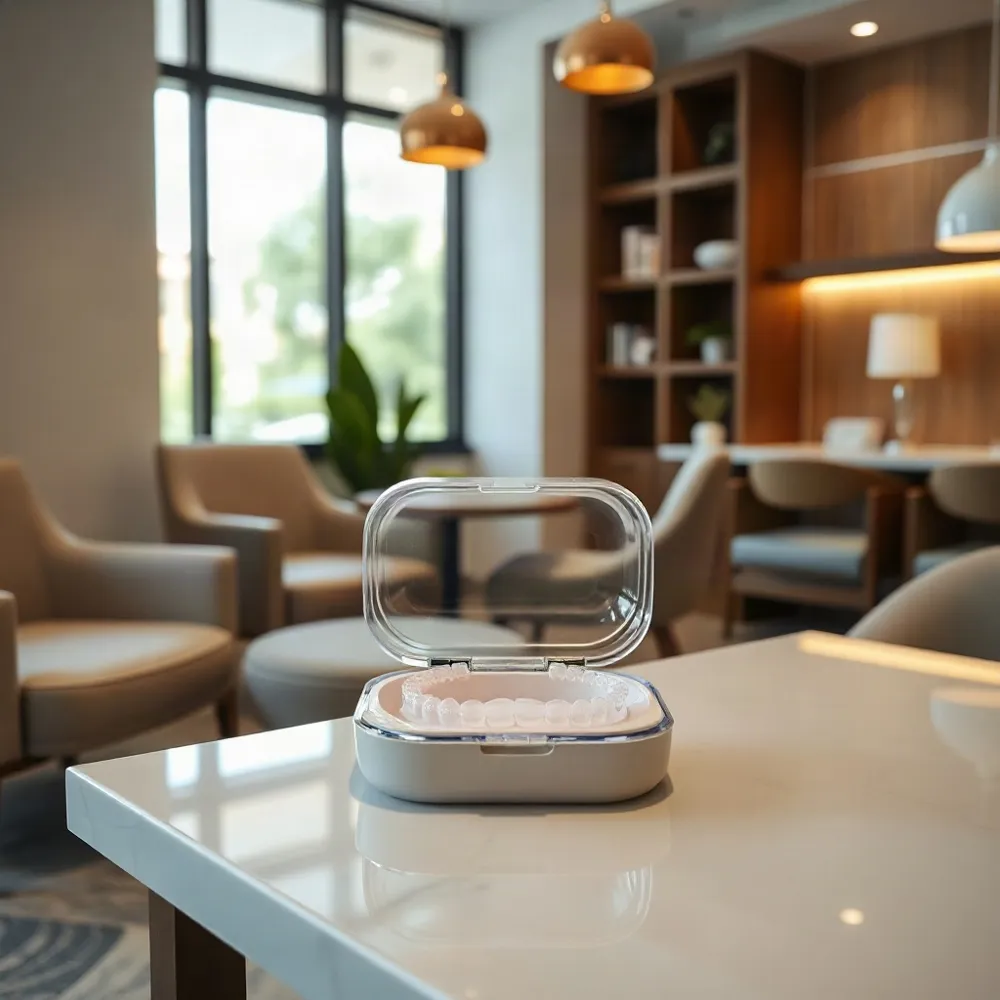
Custom-made dental appliances are essential tools for managing jaw clenching and TMJ-related discomfort by realigning the jaw and reducing mechanical stress on the joints and muscles. Stabilization or flat-plane splints are commonly used to provide even pressure distribution across the bite, which helps alleviate muscle tension caused by grinding. For more severe cases involving joint displacement, repositioning splints may be utilized to guide the lower jaw into a neutral alignment that promotes healing. Additionally, night guards are highly effective at protecting tooth enamel and reducing pressure on the TMJ during sleep.
Generic, over-the-counter guards lack the precision needed for therapeutic relief and may even exacerbate symptoms by failing to account for specific bite geometry. At trielleorthodontics.com, we prioritize personalized appliances designed to support your specific treatment plan. While some providers rely on standard mass-produced devices, our team conducts a thorough diagnostic evaluation to ensure each appliance provides targeted support, effectively managing muscle tension while promoting long-term joint health.
| Appliance Type | Primary Goal | Clinical Benefit |
|---|---|---|
| Stabilization Splint | Pressure balance | Reduces muscle fatigue |
| Repositioning Splint | Joint alignment | Encourages disc healing |
| Night Guard | Enamel protection | Minimizes grinding force |
The Limitations of Growth Modification After Puberty
Skeletal maturity represents a natural transition point in orthodontic care. While younger patients benefit from active developmental windows, the potential for non-surgical skeletal repositioning decreases significantly as individuals reach their late teens. Diagnostic imaging, such as lateral cephalometric radiographs and 3D scans, serves as the primary tool for clinicians to assess whether active growth remains available to support orthopaedic changes.
Is it possible to achieve significant skeletal forward growth after the age of 16?
Achieving significant skeletal forward growth after the age of 16 is generally not possible because the peak pubertal growth spurt, which is the most opportune time for mandibular advancement, has typically passed. While orthodontists can utilize functional appliances to guide jaw development, these are most effective when applied during the active growth phase, which varies by individual but is usually complete by the mid-teens. Once a patient reaches skeletal maturity, the potential for non-surgical growth modification is extremely limited per 2015 AJODO research. For patients past this developmental stage who require significant correction of the jaw position, a combination of orthodontics and orthognathic surgery is often the standard of care. At Trielle Orthodontics, we conduct a comprehensive evaluation to determine your specific skeletal maturity and discuss the most effective, personalized options to achieve your desired aesthetic and functional results.
When structural jaw discrepancies exceed what can be resolved through orthodontic movement alone, the strategy shifts toward compensatory correction. In these scenarios, dental braces or aligners focus on positioning the teeth to mask underlying skeletal imbalances rather than altering the bone itself. While appliances like Forsus Appliances remain effective for certain dental corrections in older teens and adults, they function by moving teeth into an improved relationship rather than by inducing new skeletal growth.
Planning Your Personalized Orthodontic Journey
Effective orthodontic care begins with a comprehensive diagnostic evaluation to capture a clear picture of a patient's skeletal structure. At Trielle Orthodontics, this process utilizes advanced 3D scans and digital X-rays to map the jaw and tooth relationship with precision. These diagnostic tools are critical because, as noted in research on growth modification of the face, skeletal changes and dental compensations vary significantly between individuals.
By understanding the unique development of each patient, Trielle Orthodontics creates targeted treatment plans that prioritize long-term oral health over temporary fixes. Whether addressing early functional habits or coordinating jaw alignment during a growth spurt, the practice emphasizes stability and facial balance to support a lifetime of healthy function. This proactive approach helps many patients minimize the need for complex, invasive interventions in the future.
Understanding your child's specific developmental needs is the first step toward a balanced bite and a confident smile. You can schedule a consultation at trielleorthodontics.com today to discuss how our personalized approach can support your family's oral health journey.