Embarking on Your Orthodontic Transformation as an Adult
Orthodontic care is no longer reserved for childhood. Recent data shows that one in three orthodontic patients today are adults, per the American Association of Orthodontists. This surge in popularity reflects that it is never too late to enhance your smile or address the natural way teeth shift as you age.
While many patients seek treatment for aesthetic reasons, the benefits extend significantly deeper. Misaligned teeth can make daily hygiene difficult, potentially increasing your risk of plaque buildup, gum disease, and tooth decay, reports the AAO. Addressing these issues at Trielle Orthodontics allows you to correct functional concerns like excessive enamel wear while simultaneously improving your overall oral longevity.
Success rests on a foundation of professional, personalized care. Unlike standard retail options, Trielle Orthodontics focuses on individualized treatment plans that account for the greater density of adult jawbone which can influence treatment timelines. By integrating modern diagnostic technology and tailored adjustments, you receive a precise experience designed to meet your specific lifestyle and health goals.
Understanding that your needs are unique is the first step toward a successful transformation. Whether you choose clear aligners for their discretion or traditional braces for complex alignment, working with an experienced specialist ensures that the process focuses on the health and stability of your bite for years to come.
Understanding the Scope of Adult Orthodontic Treatment
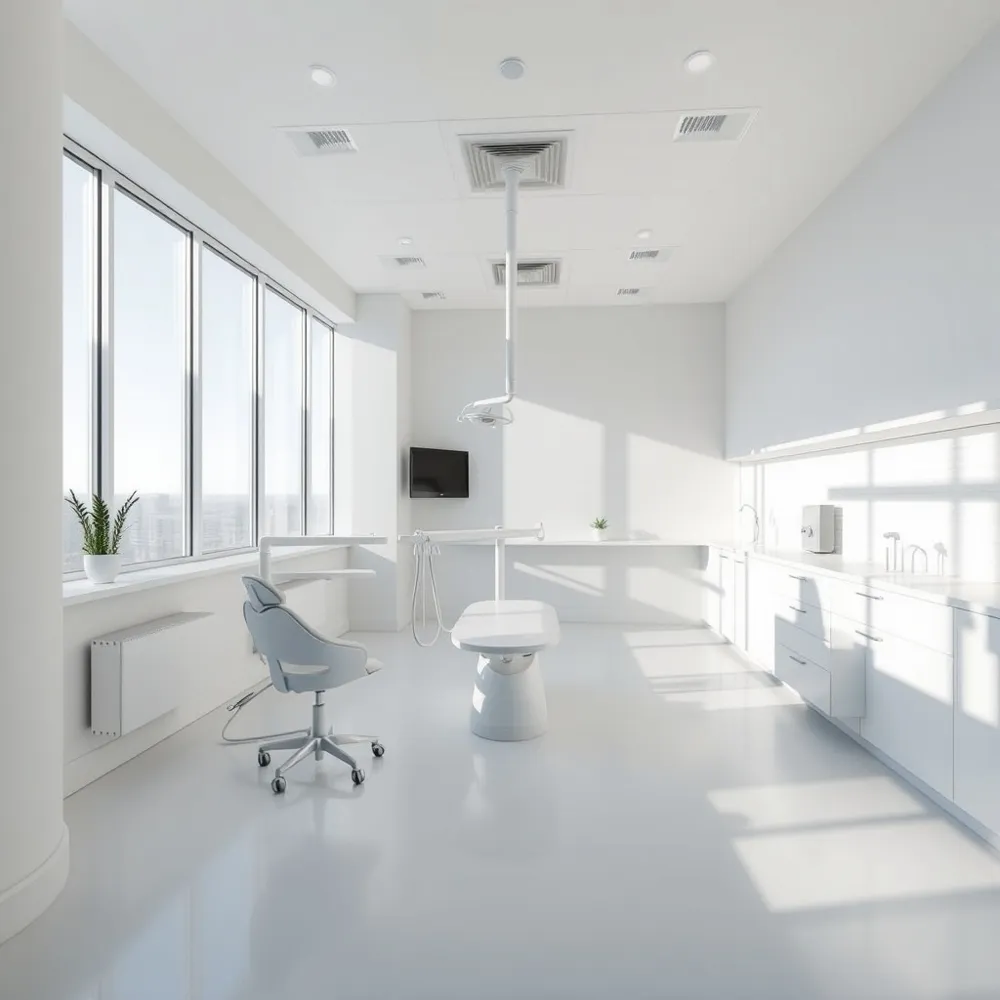 Comprehensive orthodontic treatment is a holistic approach meant to correct bite and alignment issues by addressing the positioning of both front and back teeth. Unlike limited corrective procedures, this process targets the underlying causes of malocclusion to achieve long-term functional and aesthetic results. At Trielle Orthodontics, personalized care plans often integrate various techniques to create harmony within the dental arch.
What is involved in comprehensive orthodontic treatment for adults?
Comprehensive treatment rectifies underlying causes of misalignment to ensure lasting utility. The process typically employs modalities such as traditional braces or clear aligners, which apply consistent, controlled pressure to move teeth into their optimal positions. Because adult teeth are more firmly set in the jaw than a child's, the journey requires professional diagnosis using advanced diagnostic records like X-rays, photos, and digital scans. These tools allow practitioners at Trielle Orthodontics to build a predictive roadmap for your smile.
Beyond aesthetics, orthodontic correction addresses vital functional health concerns. Misaligned teeth are notoriously difficult to clean, which elevates the risk of plaque buildup, tooth decay, and gum disease. By aligning the bite, you improve your ability to chew and speak properly while preventing the enamel wear that often accompanies a poor bite. A 2024 comparative study noted that both braces and aligners effectively reduce alignment issues, though the choice depends on your specific dental anatomy and severity. After the primary phase concludes, a retention period is mandatory to prevent teeth from reverting to their original positions.
Choosing Your Appliance: Braces Versus Clear Aligners
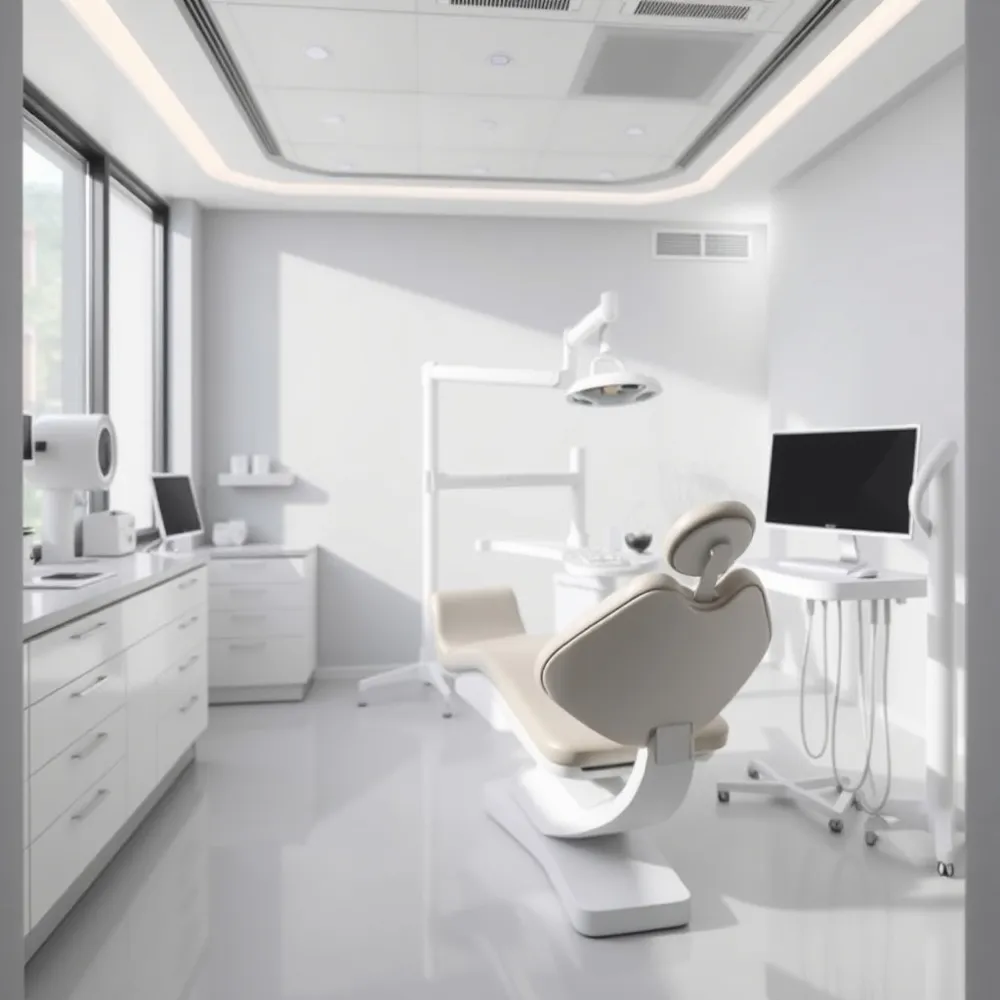 Selecting the right orthodontic appliance involves balancing your personal aesthetic goals with the mechanical needs of your bite. At Trielle Orthodontics, we help you determine the best path by evaluating case complexity against your daily convenience needs. While traditional braces remain a powerful, fixed solution for complex movements, clear aligners provide a discreet, removable alternative that many adults prefer for professional and social settings.
What are the primary differences between traditional braces and clear aligners for adults?
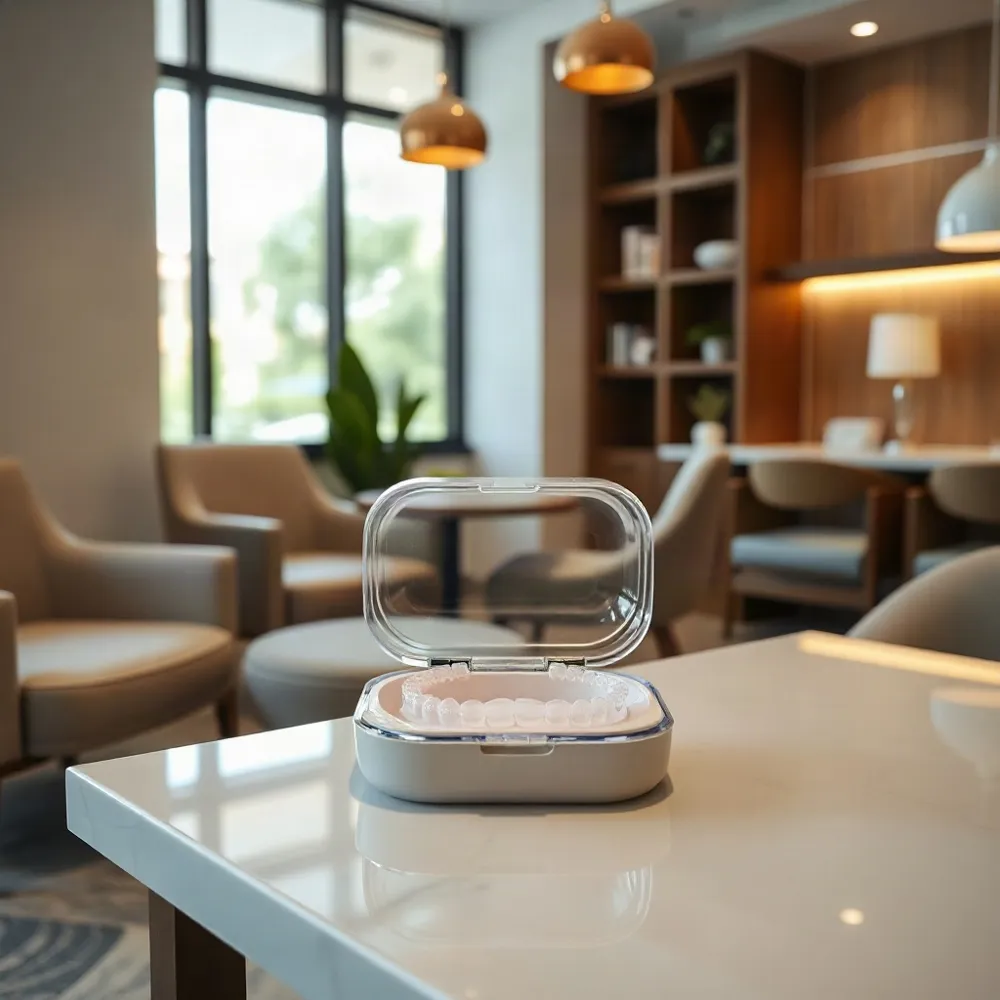
The primary difference lies in the appliance design: traditional braces use fixed metal brackets and wires, while clear aligners consist of a series of removable, virtually invisible plastic trays. Because clear aligners are removable, they offer greater flexibility for eating and make it significantly easier to maintain your standard oral hygiene routine of brushing and flossing. Conversely, traditional braces are non-removable, which ensures consistent treatment but requires more meticulous cleaning around hardware and dietary adjustments to avoid damaging the appliances. While clear aligners are highly discreet and favored by many adults for aesthetic reasons, braces remain a powerful, versatile tool for correcting a wider range of complex orthodontic issues. Ultimately, the best choice depends on your specific clinical needs, lifestyle preferences, and commitment to the daily wear requirements of clear aligners.
- Patient compliance is essential for clear aligners, which typically require 20 to 22 hours of daily wear to keep treatment on schedule.
- Fixed appliances like braces may involve dietary restrictions, requiring the avoidance of hard or sticky foods that could dislodge brackets.
- Refinement phases may be necessary with aligners to ensure precise final positioning of the teeth.
- Trielle Orthodontics provides tailored guidance on cleaning techniques and routine maintenance, regardless of whether you choose aligners or restorative braces.
Managing Timelines and Your Expectations
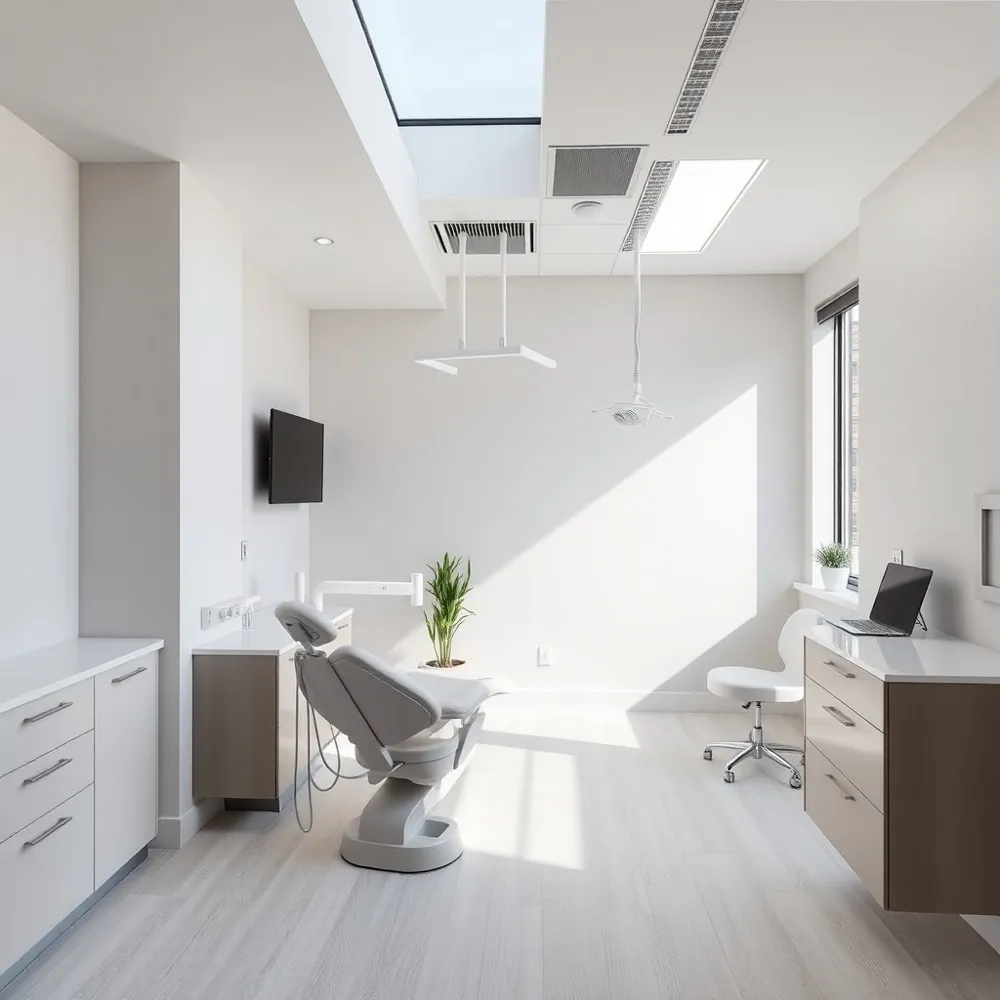 For most adults, orthodontic treatment typically ranges from 12 to 36 months, depending on the complexity of the alignment and the chosen method. While mild crowding or spacing issues may be resolved in as little as 6 to 12 months, more severe bite or jaw misalignments often require 24 to 36 months of active treatment.
Adult teeth are more firmly set in the jaw compared to those of children and adolescents. Because adult bone structures are fully developed, the biological response to tooth movement is more gradual. This density means that while the fundamental mechanics are identical, the process safely requires more time and targeted pressure to achieve optimal, lasting results per the American Association of Orthodontists.
Optimizing your treatment path
- Case complexity: A primary factor, as extensive bite corrections and root movements naturally add time compared to minor adjustments.
- Appliance type: While both choices are effective, clear aligners can sometimes offer shorter treatment durations for specific cases compared to traditional braces.
- Patient compliance: Consistently wearing appliances and elastics is vital, as missed visits or inconsistent wear can extend your overall timeline.
- Digital planning: At Trielle Orthodontics, we utilize modern diagnostic tools and 3D imaging to increase precision and efficiency.
Ultimately, your journey towards a straighter smile is a collaborative process. By following the individualized care plan designed for you, you ensure that your treatment moves steadily through each necessary stage, from initial alignment to the final retention phase that secures your new bite.
Comfort, Safety, and Clinical Considerations
What should I expect regarding discomfort during orthodontic treatment?
It is normal to experience some discomfort during orthodontic treatment, as the pressure required to shift your teeth into their new positions can cause a dull ache. You will likely feel the most soreness during the first few days of starting treatment or immediately after routine adjustments as your mouth adapts to the added pressure. Most discomfort is mild, temporary, and typically subsides within three to five days. You can easily manage this soreness at home with soft foods, over-the-counter pain relievers, or by using orthodontic wax to protect sensitive areas.
What are the common risks or downsides associated with adult orthodontics?
While orthodontic treatment is generally safe and effective, patients should remain aware of potential risks. These include temporary irritation, speech changes during adaptation, and rare instances of periodontal inflammation or root resorption. Achieving optimal safety relies heavily on professional oversight. At Trielle Orthodontics, we utilize advanced digital imaging and diagnostic tools to monitor bone health throughout the process, which helps mitigate risks like gum recession or flare-ups of temporomandibular joint (TMJ) issues. Meticulous oral hygiene is mandatory to avoid cavities or tooth staining, particularly for clear aligners users who must ensure teeth are clean before re-inserting trays.
Long-term stability is the final, essential stage of care. Regardless of the appliance used, you must commit to wearing retainers after your active treatment concludes. Without consistent retention, teeth naturally shift back toward their original positions. Our staff ensures that every patient understands their personalized retention protocol, securing the investment you have made in your dental health for years to come.
Navigating Financial Planning and Insurance Benefits
Correcting your smile is an investment in long-term health, yet financial considerations remain a priority for many adults. Because dental insurance coverage for adult orthodontics is often limited, treatment is frequently categorized as a medical necessity only under specific circumstances according to the AAO. Understanding exactly what your policy offers is the first step toward building an effective plan.
Our team at Trielle Orthodontics recommends starting with an initial consultation, which allows us to provide a transparent breakdown of your personalized treatment plan and total investment. During this appointment, we can perform a complimentary benefits check to confirm your insurance coverage. For expenses not covered by insurance, many patients opt to utilize Health Savings Accounts or Flexible Spending Accounts, which allow for the use of pre-tax dollars to cover out-of-pocket costs.
How can adults navigate the costs and insurance coverage for orthodontic care?
Securing predictable, affordable care often involves moving beyond standard reimbursement models. At Trielle Orthodontics, we offer flexible payment plans designed to break the total investment into manageable monthly installments, ensuring that your path to a straighter smile remains fiscally sustainable. By pairing your specific insurance benefits with these financing tools, you can manage your adult orthodontic services without added financial strain.
Investing in Your Long-Term Dental Health
Orthodontic care offers more than a straighter smile. Correcting misalignment at Trielle Orthodontics improves your ability to clean teeth, effectively lowering the risk of gum disease and enamel wear aaoinfo.org. Because one in three orthodontic patients today are adults, finding a perfect smile is an achievable goal regardless of your stage in life aaoinfo.org.
Taking the first step begins with a professional assessment to align your goals with the right technology. Whether you prioritize the discretion of clear appliances or the continuous power of traditional systems, customized plans at trielleorthodontics.com ensure your treatment is both efficient and life-enhancing. Choosing to address these functional needs now is a lasting investment in your health and daily self-confidence aaoinfo.org.